
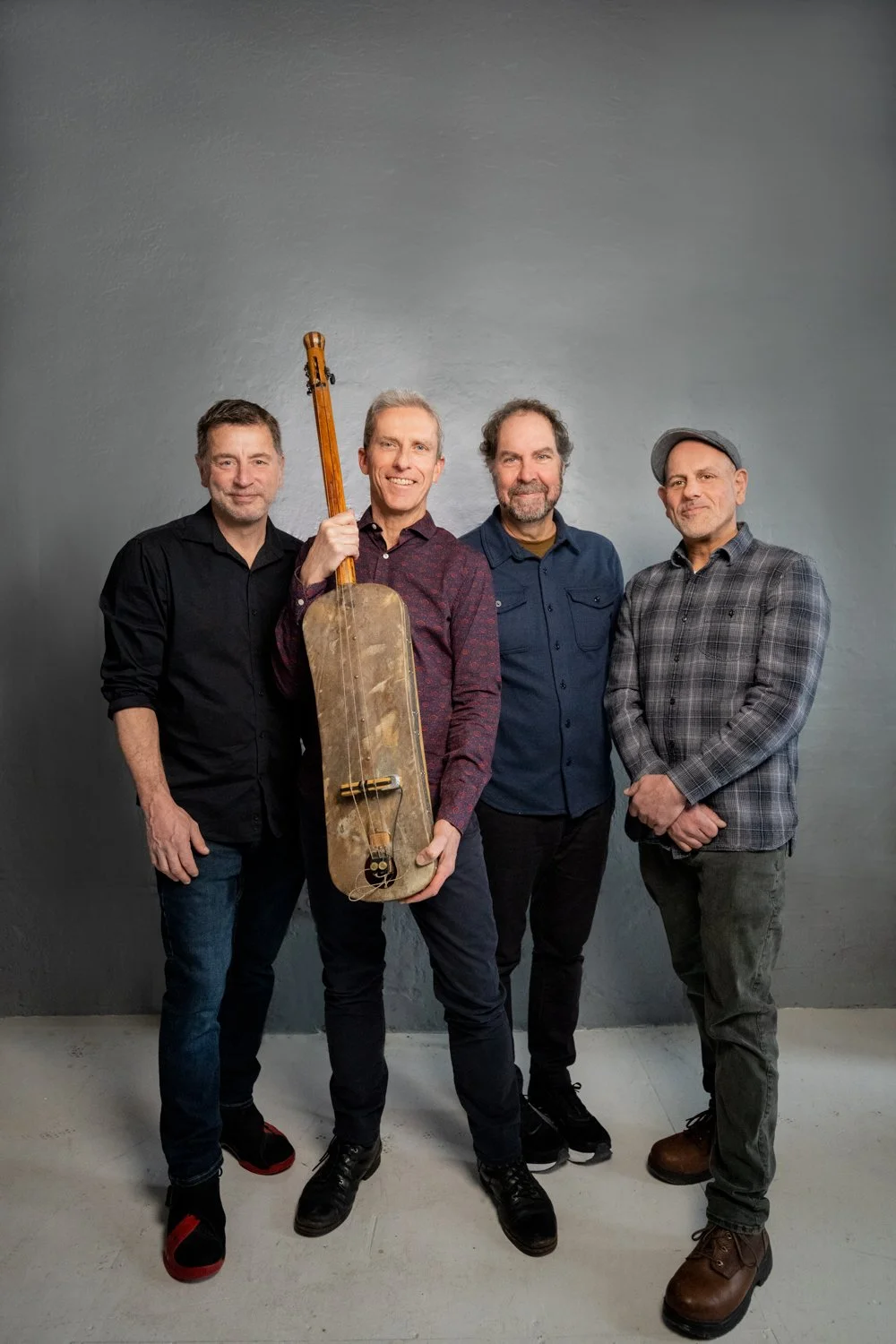
Click Image to Download!
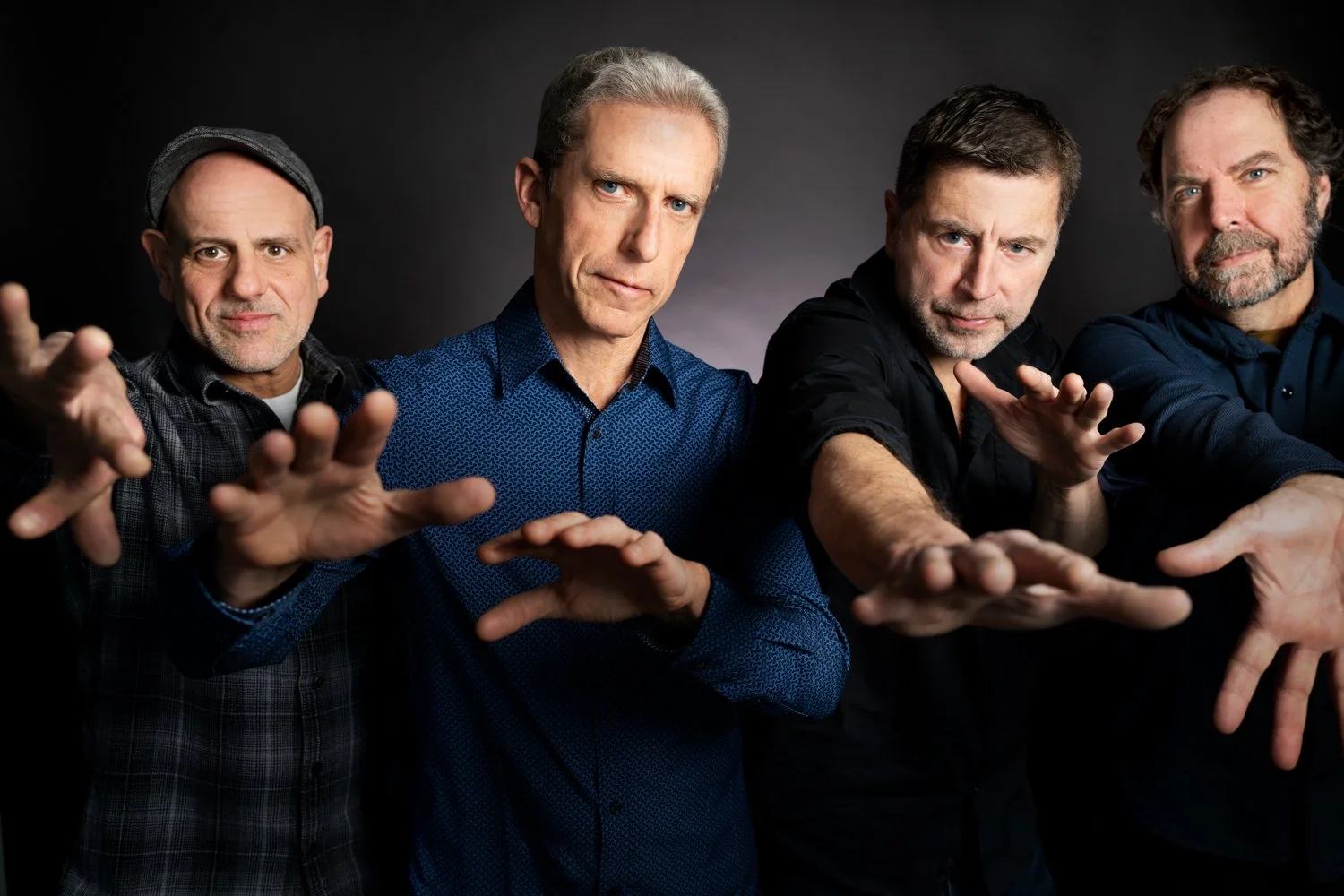
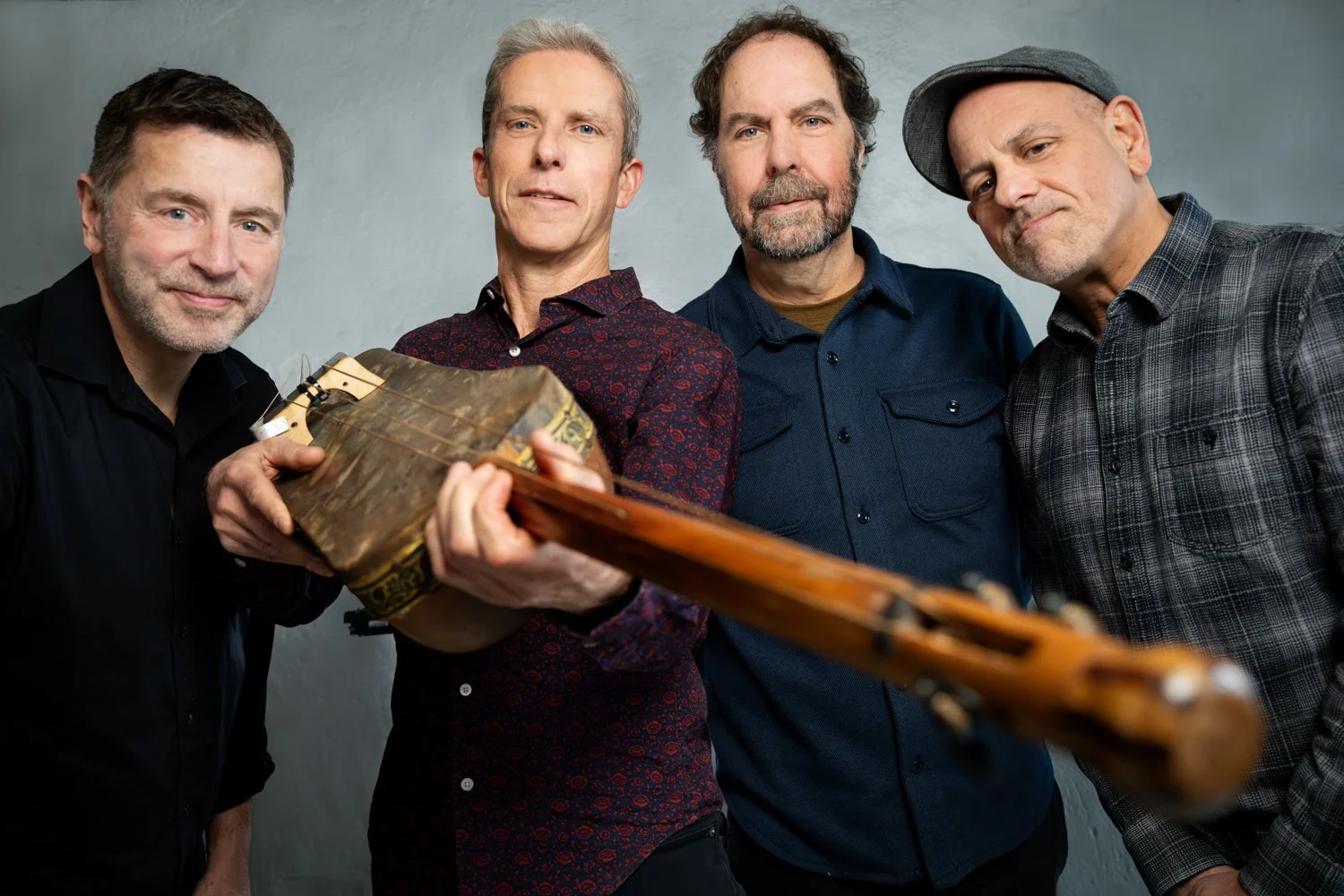
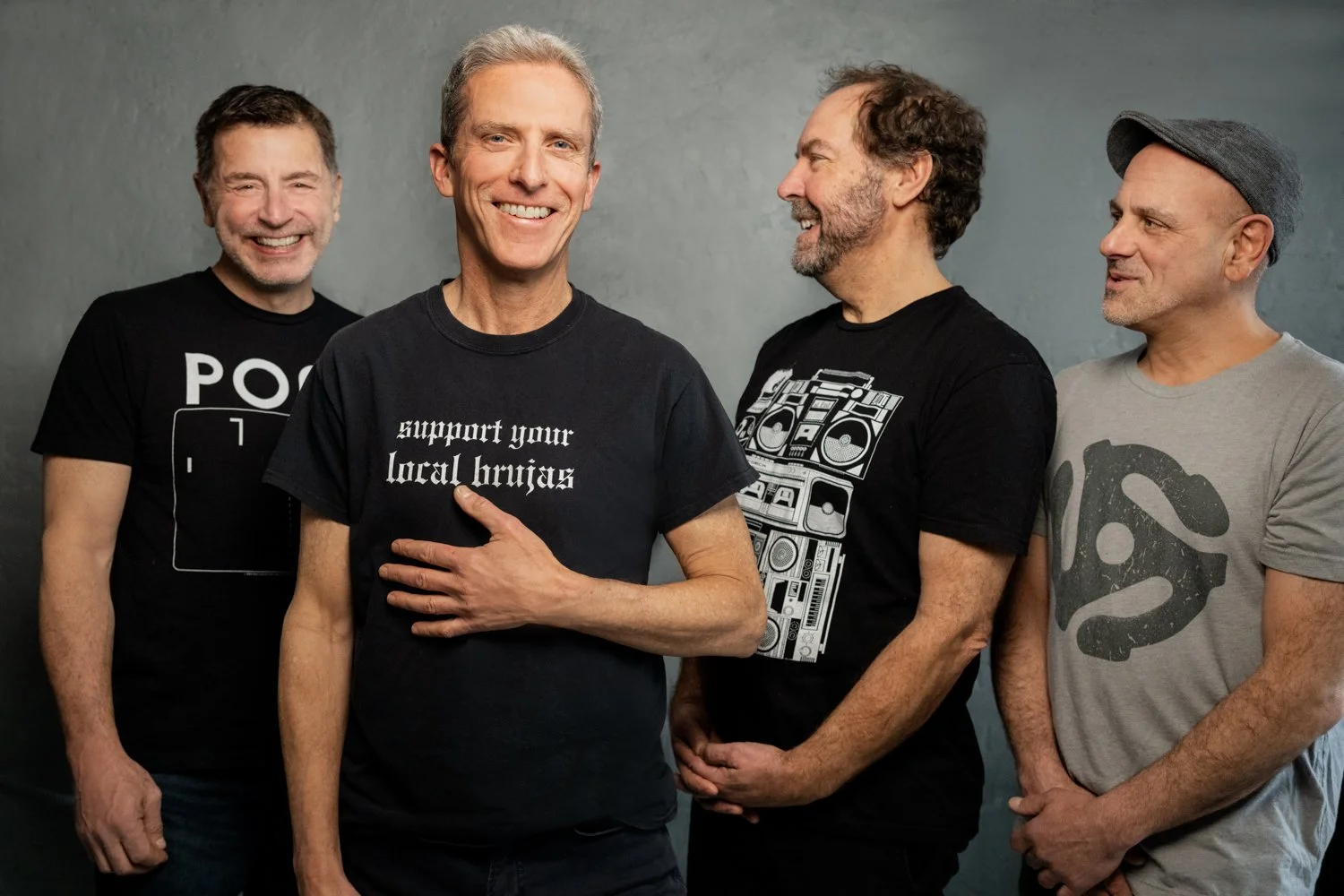





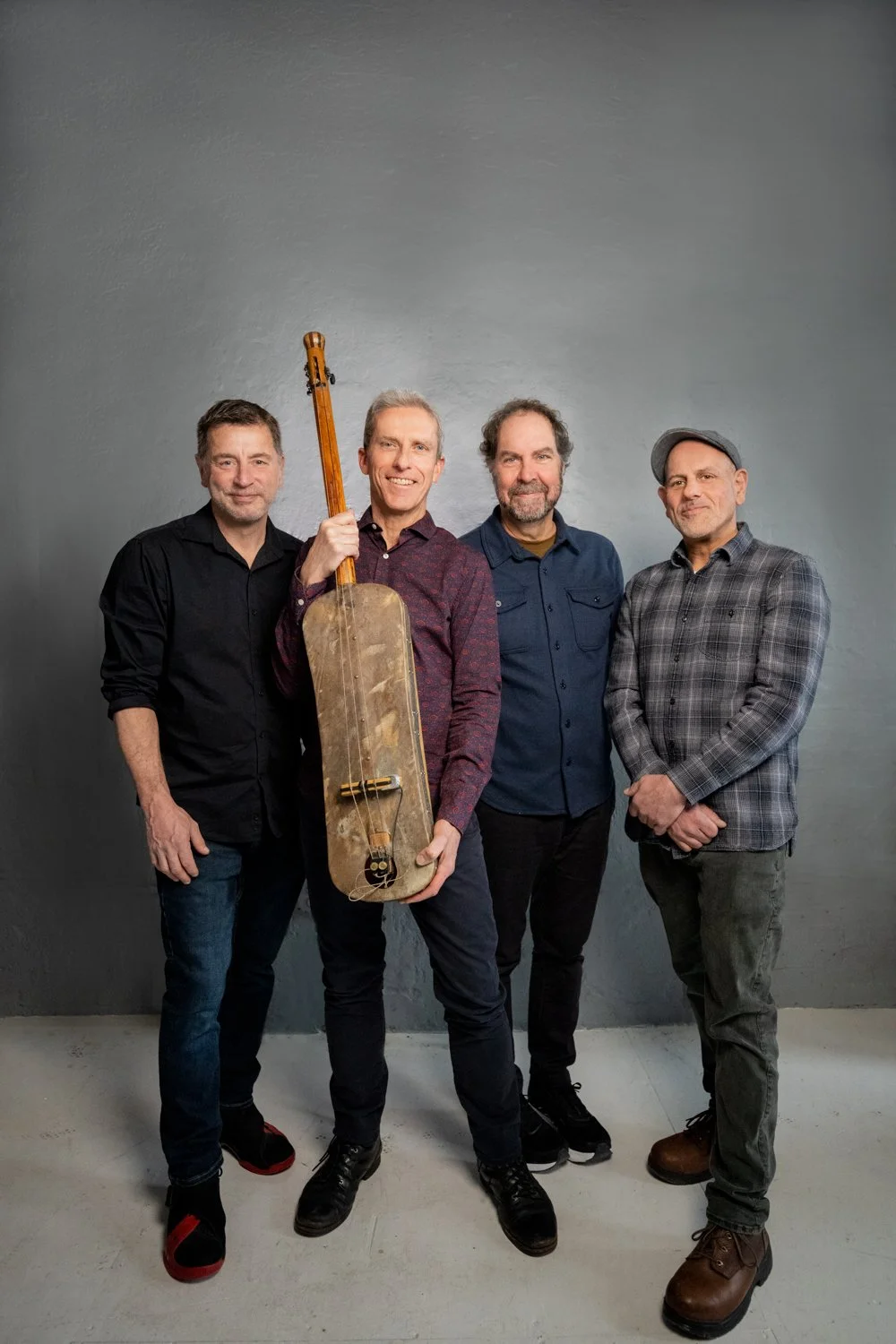
To the naked eye, Club d’Elf appears to be a world-class instrumental ensemble: a rotating cast of fierce improvisers navigating deep grooves, trance-drenched vamps and sprawling textures. But to its dedicated following and the large constellation of musicians who cycle through its orbit, the band is something more like a musical organism — a ritualistic, ever-evolving experiment in trance, collective improvisation and timelessness. Their new album, Loon and Thrush (due out 4/10/26), captures this identity in its purest form yet, recorded entirely live in the studio and driven by the ecstatic, Moroccan-influenced approach that has become the band’s signature. No two shows are alike. Songs mutate, lineups shift, the ground moves beneath the listener, and a shared language emerges in real time.
The band began in 1998 with a residency at Cambridge’s Lizard Lounge, sparked by bassist/composer Mike Rivard’s desire to create a project that wasn’t driven by a frontman or fixed lineup, but by collective spontaneity and the pursuit of ecstatic musical states. Encouraged by the late Mark Sandman of Morphine, Rivard assembled a rotating family of musicians — from the jazz, electronic, world, DJ and avant-garde scenes — who could fuse groove and improvisation into a kind of cinematic sound world. Over the decades, Club d’Elf has toured internationally, developed a fervent cult following and recorded albums that weave dub, electronica, jazz, Gnawa, hip hop, prog and ritual trance into a singular sound.
THE MOROCCAN CONNECTION: THE HEART OF THE BAND
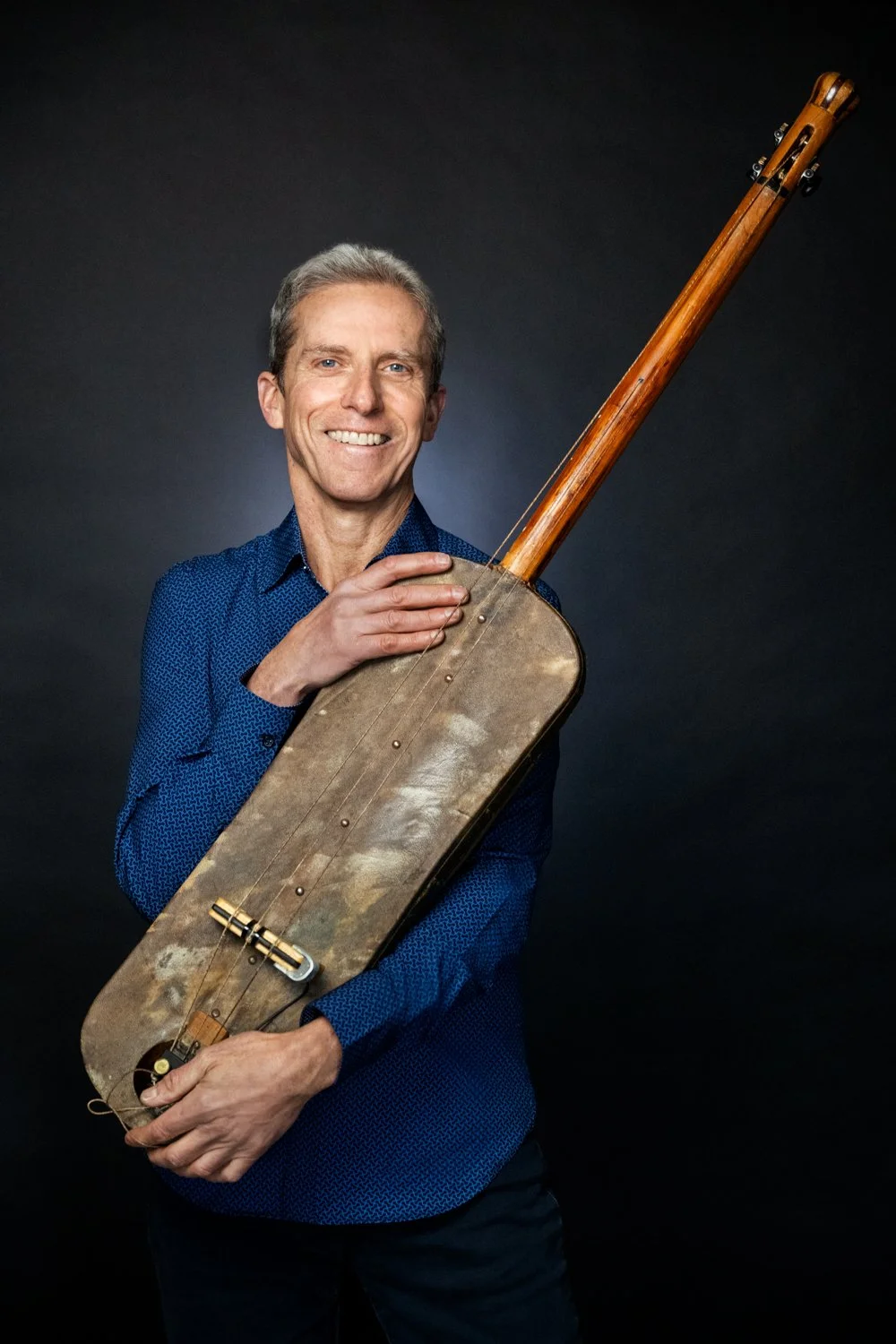
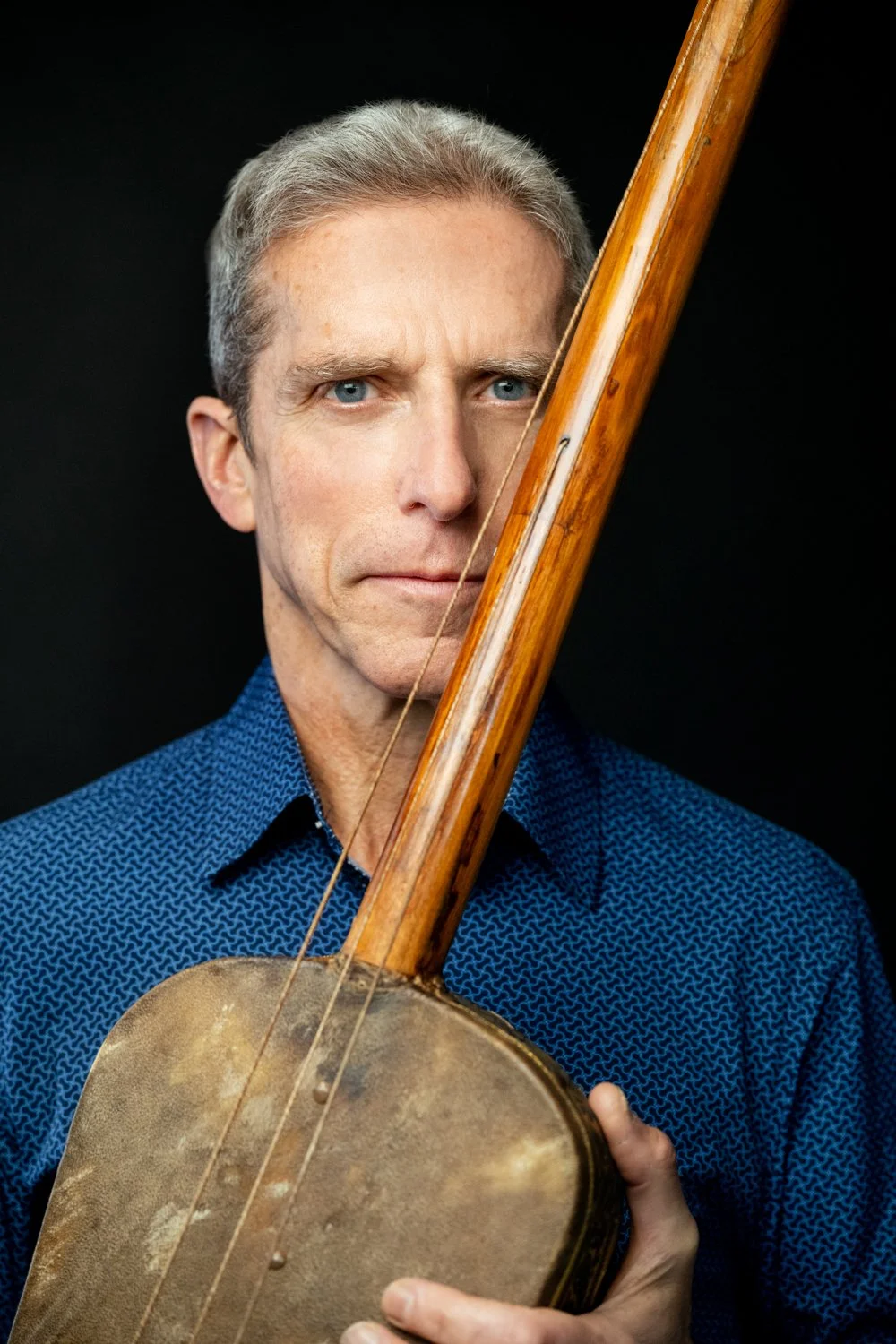
A major turning point came when Casablanca-born Brahim Fribgane joined the collective in 1999. Through his oud playing, vocals, percussion and deep knowledge of Moroccan trance traditions, Fribgane introduced Rivard to Gnawa — a centuries-old spiritual music rooted in repetition, ritual and ecstatic groove. Under Fribgane’s guidance, Rivard began studying the sintir and later worked with Gnawa masters Hassan Hakmoun and Mahmoud Guinia, absorbing the rhythmic cycles and phrasing of the tradition. Over time, Moroccan trance became not just an influence but the foundational pillar of the Club d’Elf aesthetic.
Fribgane passed away in early 2024, leaving a profound musical and spiritual imprint. His presence continues to animate the band’s sound — especially through Rivard’s sintir work — and his teachings remain central to the band’s identity. Trance, repetition and ecstatic propulsion form the glue that holds together the band’s shifting lineups, improvisatory flights and broad stylistic vocabulary.
IMPROVISATION AS PRACTICE, PHILOSOPHY AND RITUAL
Rivard describes his role as “driving the tour bus and letting everyone off at interesting destinations,” encouraging each musician to shape the music in the moment. Regular collaborators include John Medeski, Duke Levine, Dean Johnston, Rob Compa, Lyle Brewer, Paul Schultheis, Mat Maneri and the band’s resident surrealist turntablist, DJ Mister Rourke, whose samples often nod to sci-fi author Philip K. Dick and other dreamlike influences.
The band flows seamlessly from meter to meter, groove to groove, sometimes shifting direction with telepathic precision. Influences include Fela Kuti, Sun Ra, James Brown, John Coltrane, Talking Heads’ Remain in Light, the Grateful Dead, and trance traditions from North Africa to Brazil to West Africa. Rivard’s bass and sintir remain at the center, anchoring the group’s rhythmic sleight of hand while also opening portals to deeper ritual spaces.
A BAND BUILT FOR TRANSCENDENCE
For Rivard, trance is not merely a musical concept but a metaphysical one — a doorway outside clock time and into something deeper. His near-death experience in the Amazon jungle, documented on the band’s acclaimed 2022 album You Never Know, further shaped his understanding of music as ritual, medicine and healing. Club d’Elf’s mission, ultimately, is to move bodies, expand consciousness and open a shared space where listeners can step briefly outside of ordinary reality.
THE NEW ALBUM: LOON AND THRUSH
Recorded entirely live in the studio with minimal overdubs, Loon and Thrush captures the raw, risk-taking spirit at the heart of Club d’Elf. The record embodies “flight” in multiple ways: the avian imagery of the title piece, the musical expansions the group explores in real time, and the sense of Fribgane’s spirit lifting upward and outward, guiding the music from beyond.
While most of the album’s material consists of Rivard originals, Loon and Thrush also continues the band’s long tradition of honoring its musical forebears. Previous albums have reimagined the music of Miles Davis, Joe Zawinul, Frank Zappa, Nass el-Ghiwane, Mississippi Fred McDowell, traditional Gnawa repertoire, Cream, and even Phish. On the new record, the band places a distinctly Moroccan lens over the Grateful Dead’s “Bird Song” and “New Speedway Boogie,” the latter featuring Rivard on sintir, grounding the Dead’s Americana in the earthy resonance of North African trance.
The sessions took place shortly after Fribgane’s passing, and his influence permeates the music. The record’s spontaneous, near-ceremonial studio energy mirrors the group’s live performances, capturing moments of collective lift-off where the ensemble enters the timeless, ego-less zone that has always been central to the band’s mission.
With Loon and Thrush, the band enters a new chapter: one that honors its past, carries forward the legacy of Brahim Fribgane, and continues its decades-long exploration into trance, improvisation, transformation and flight.