
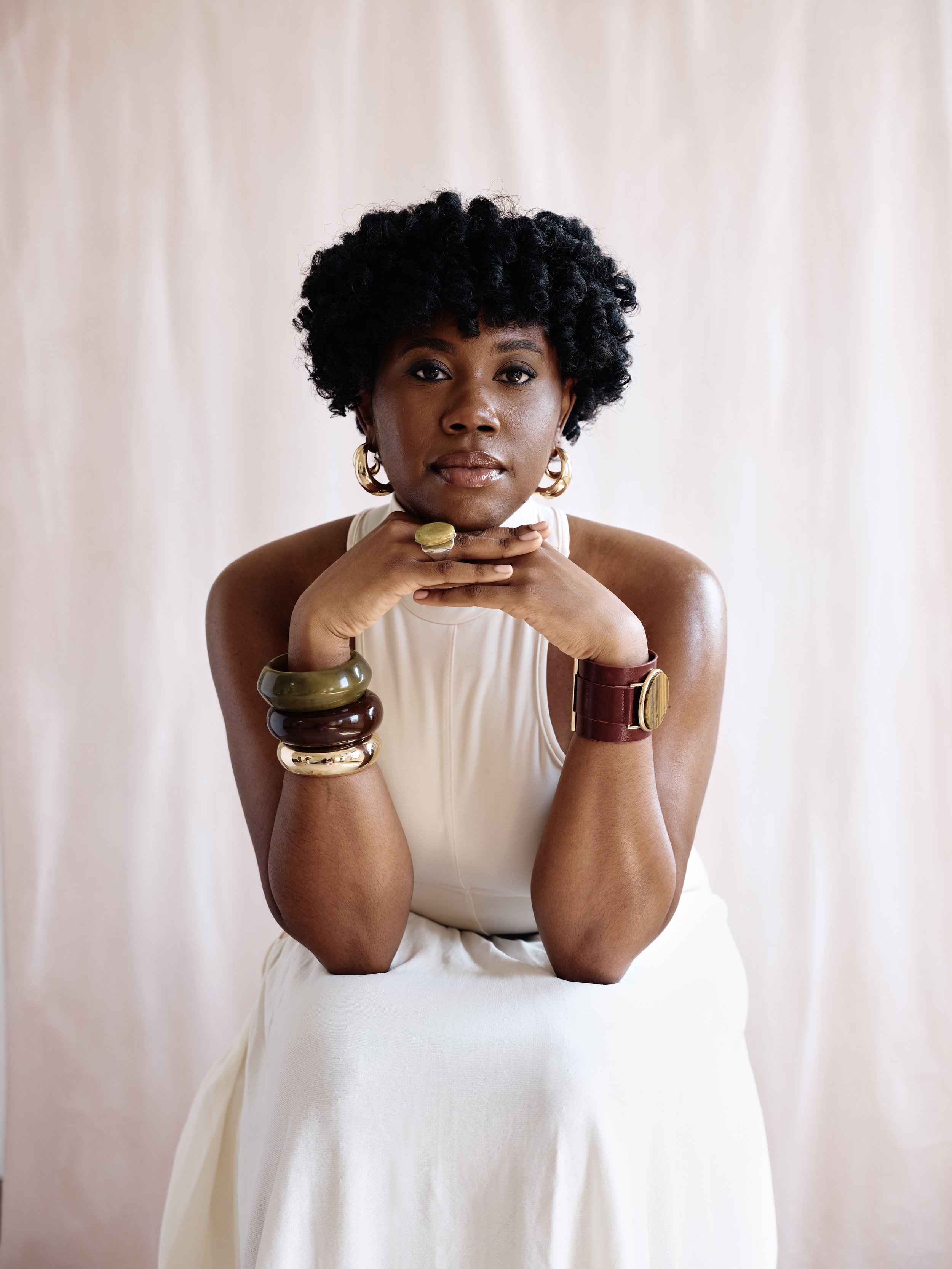
Click Image to Download!
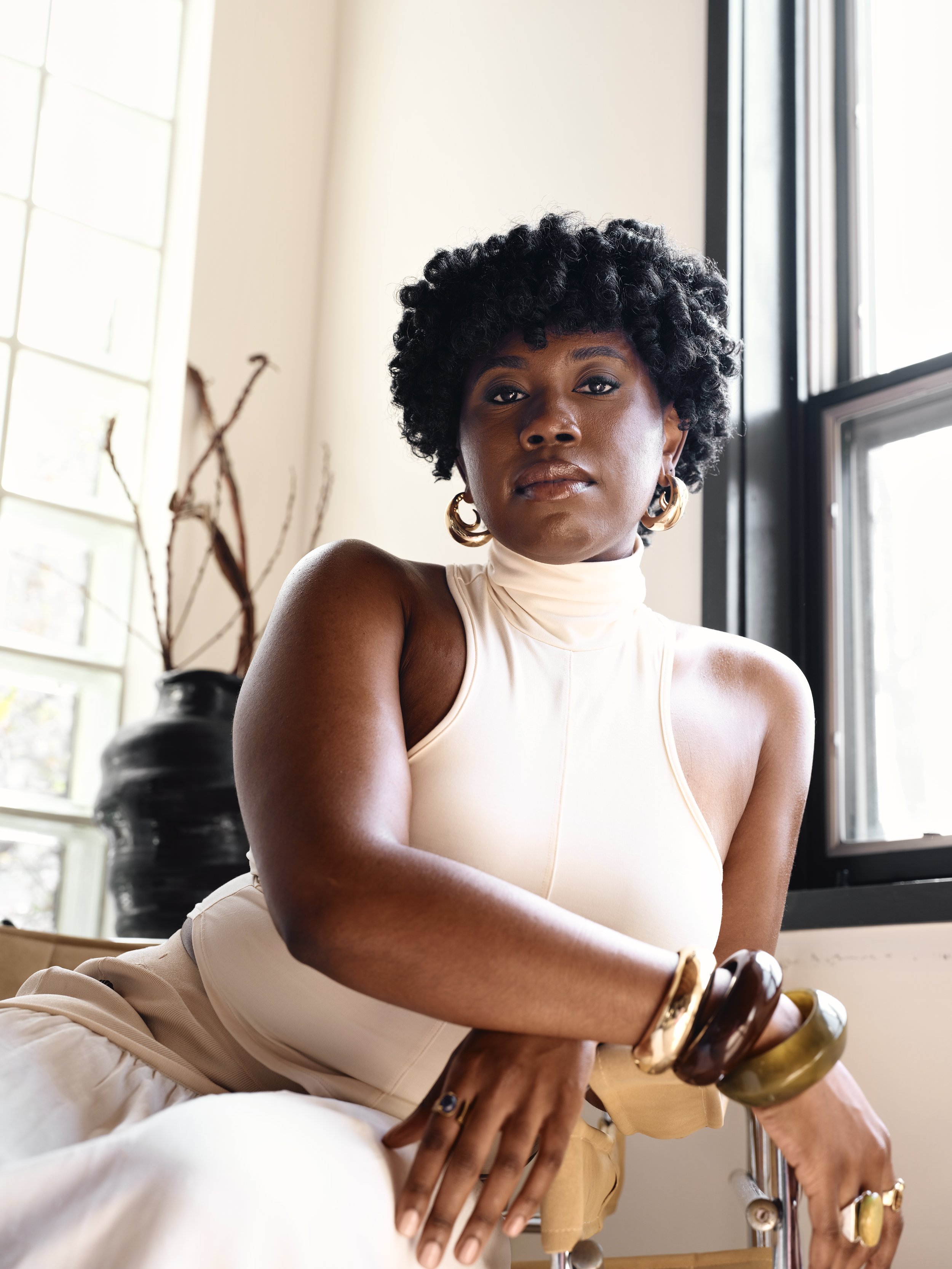
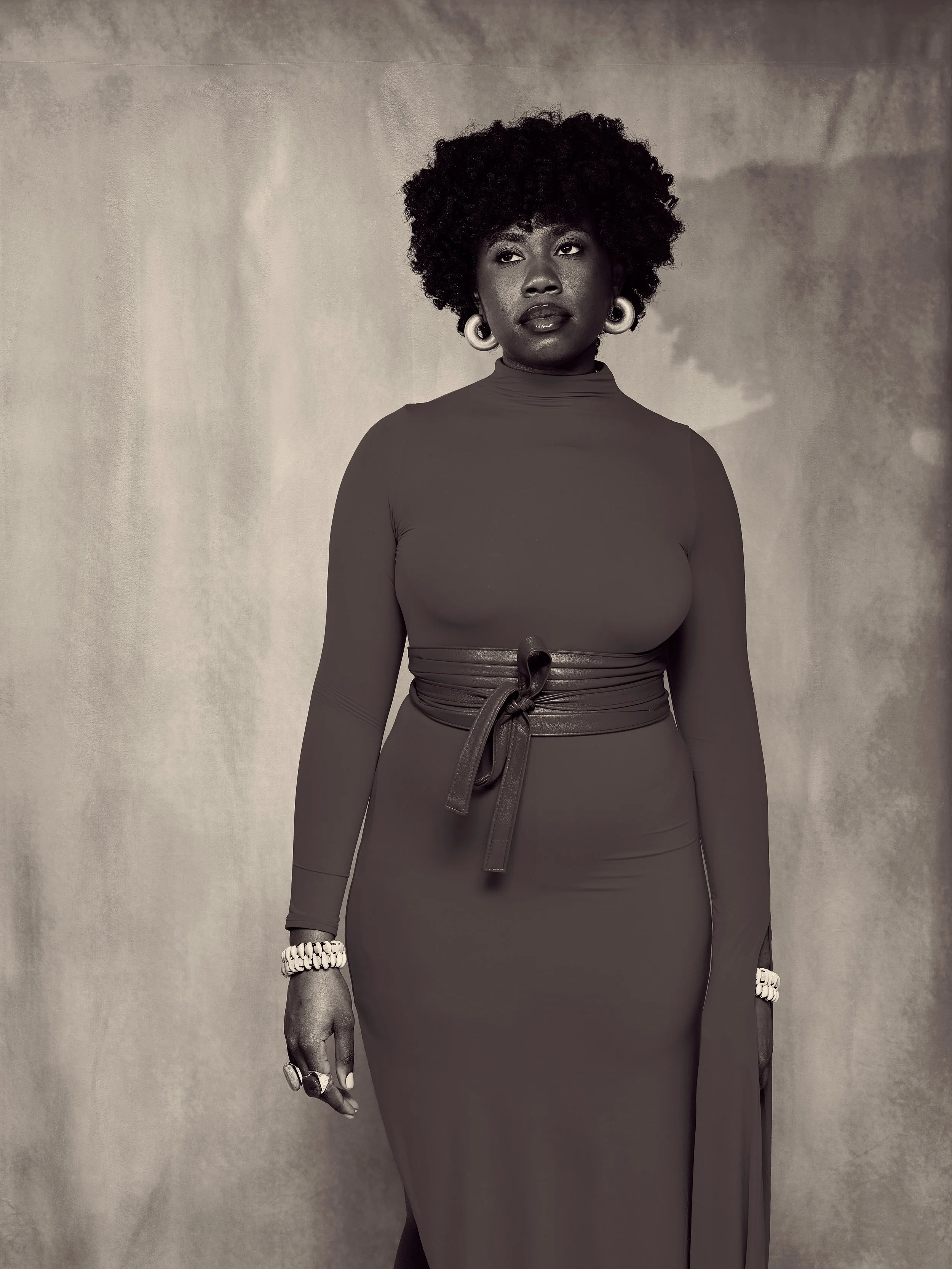
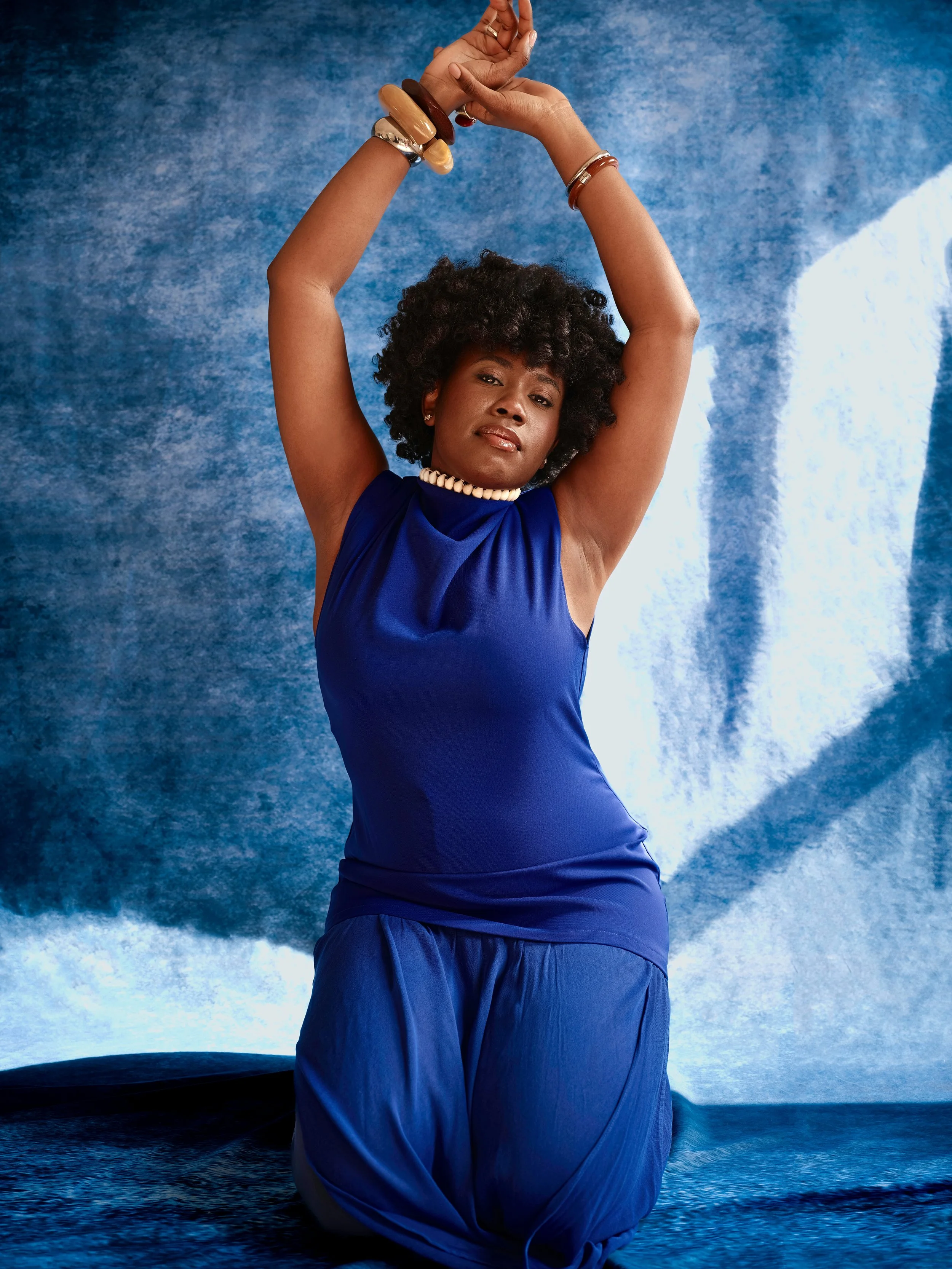
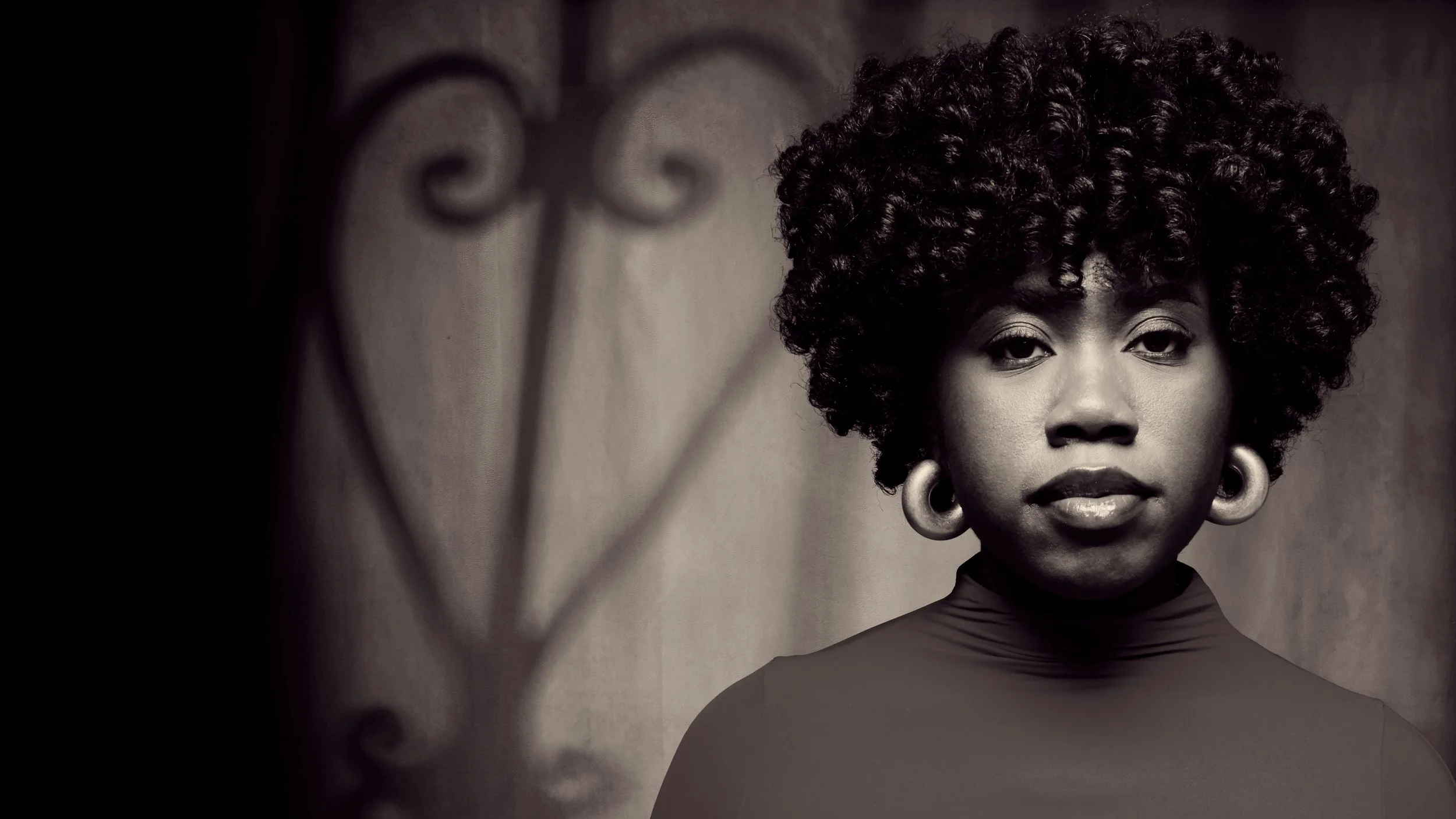
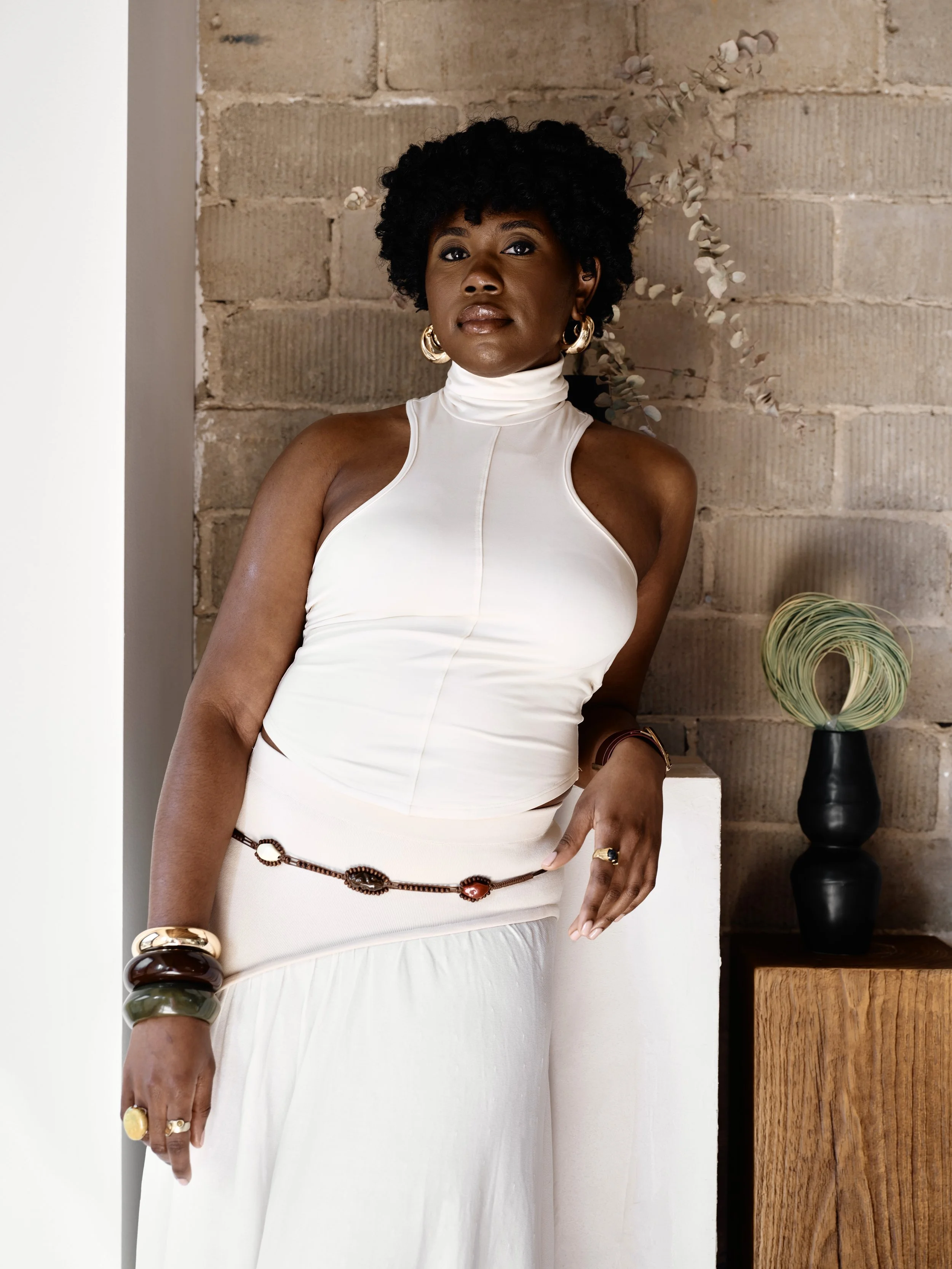
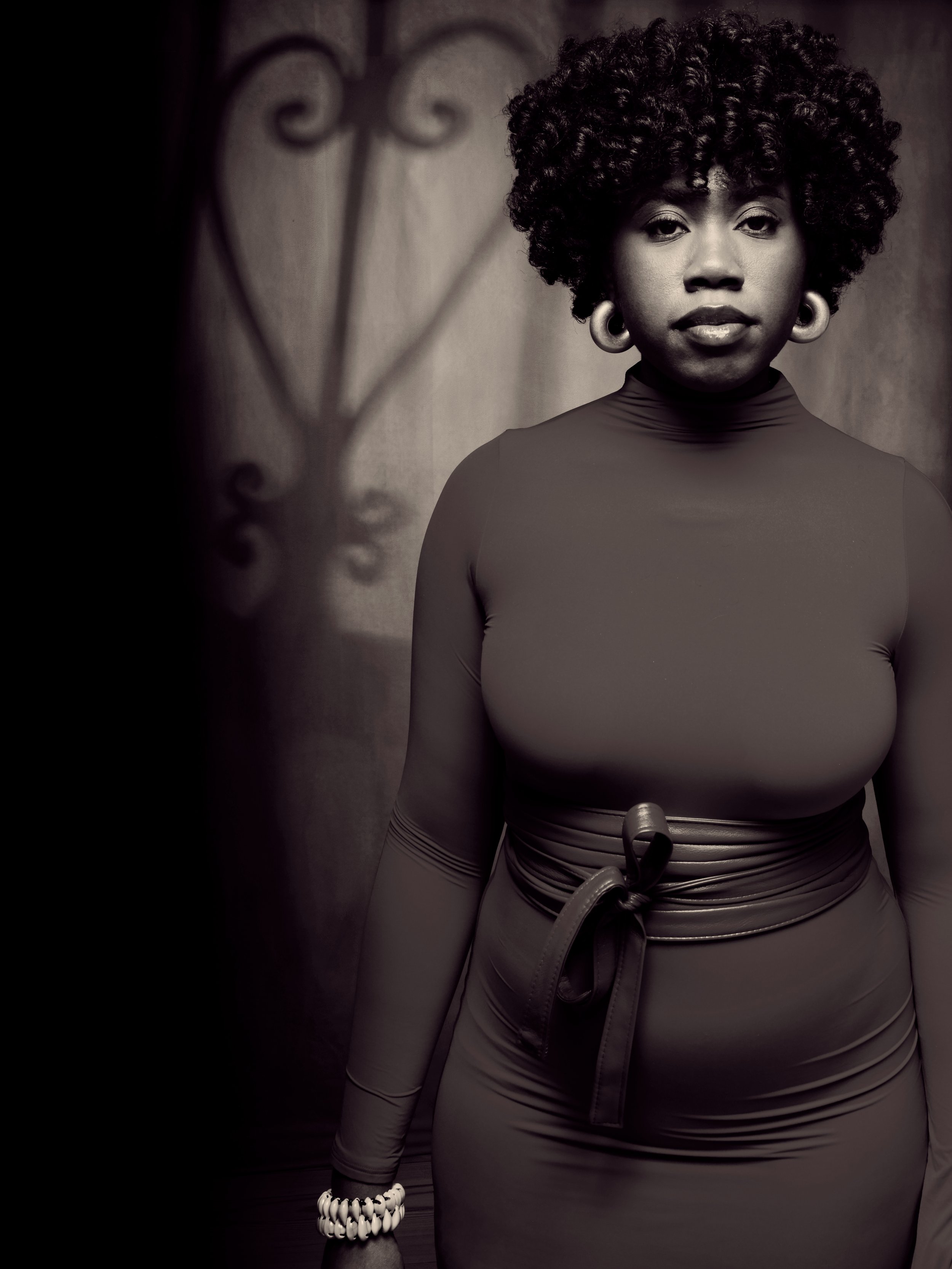
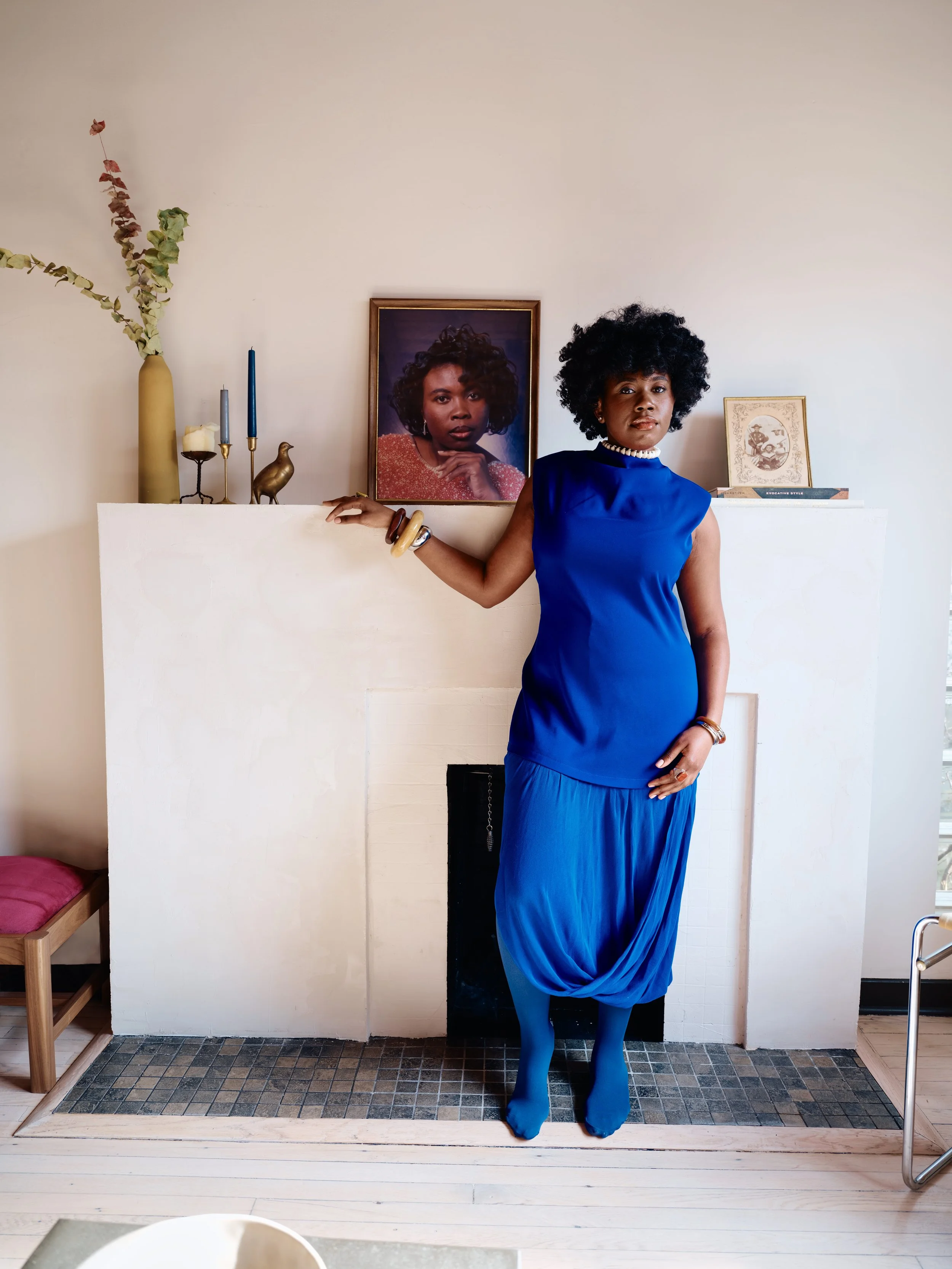
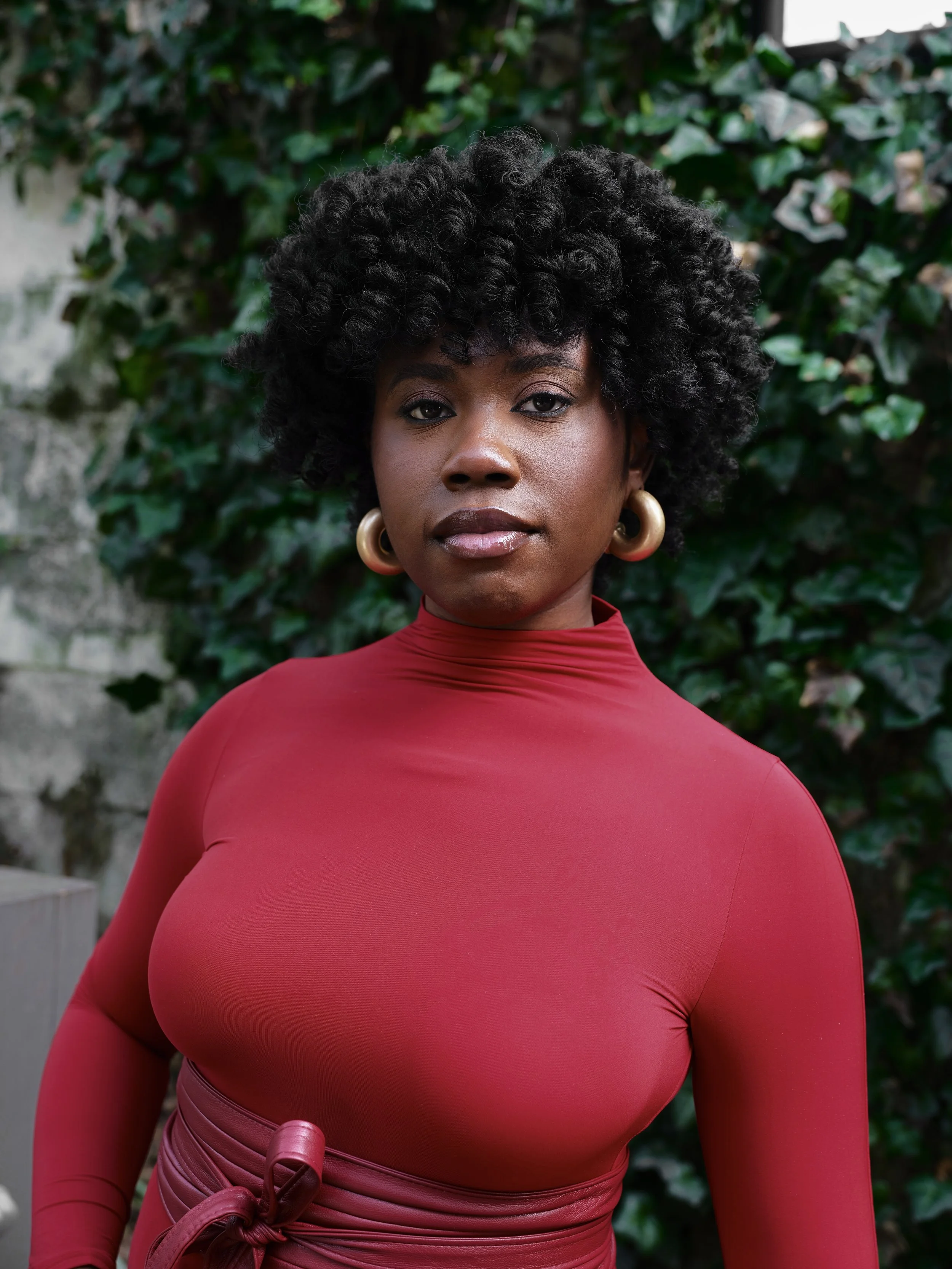
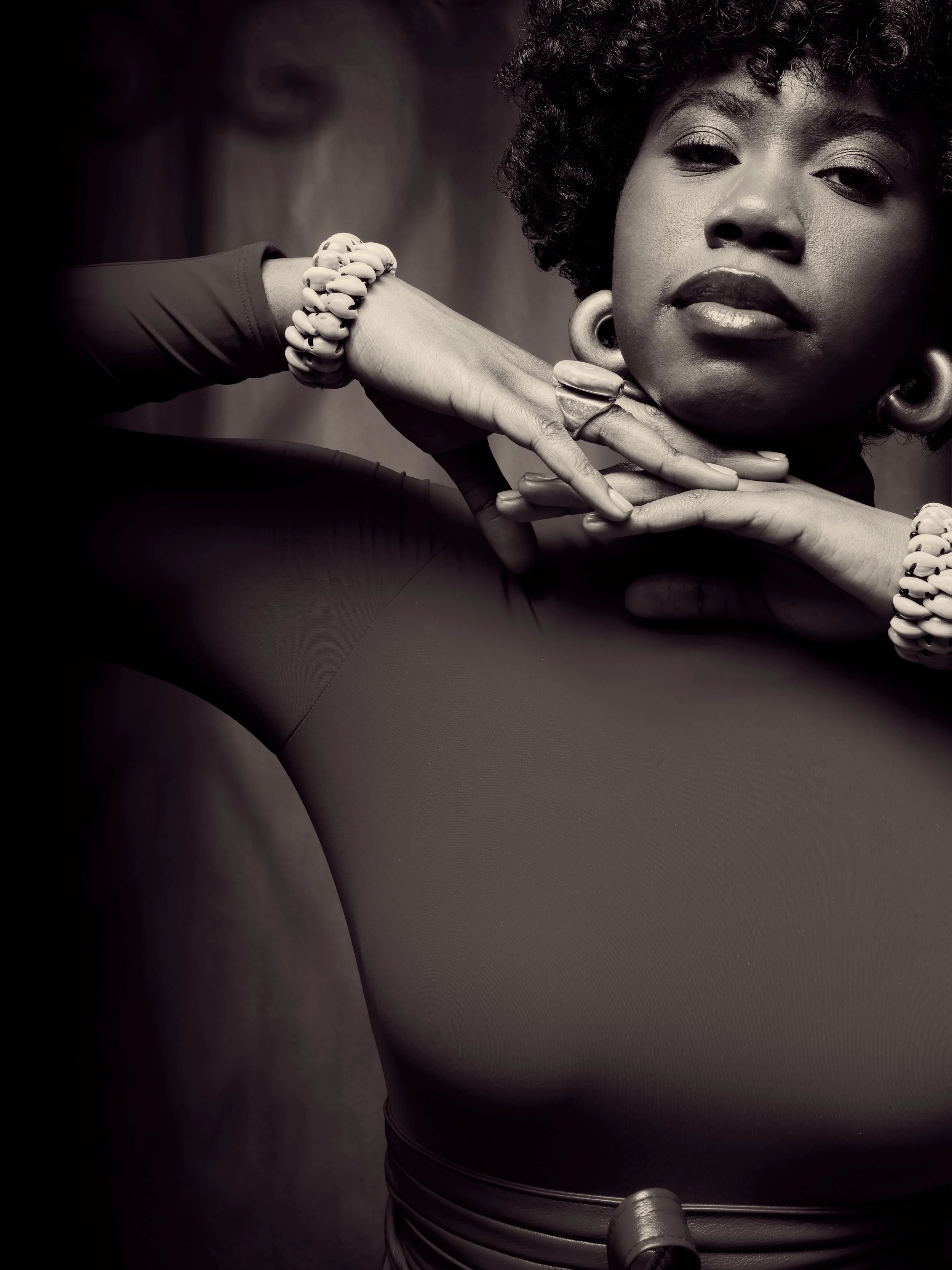
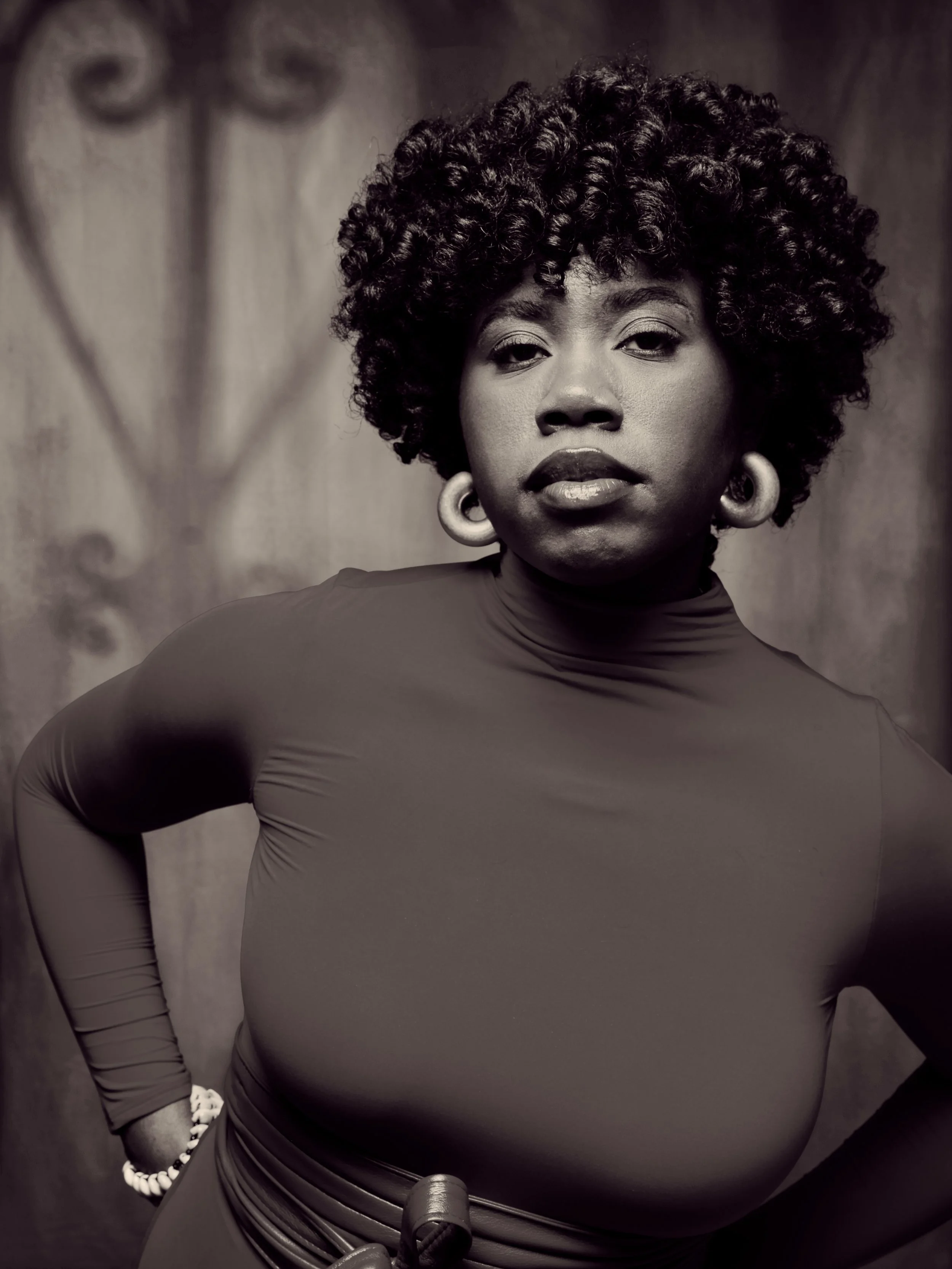
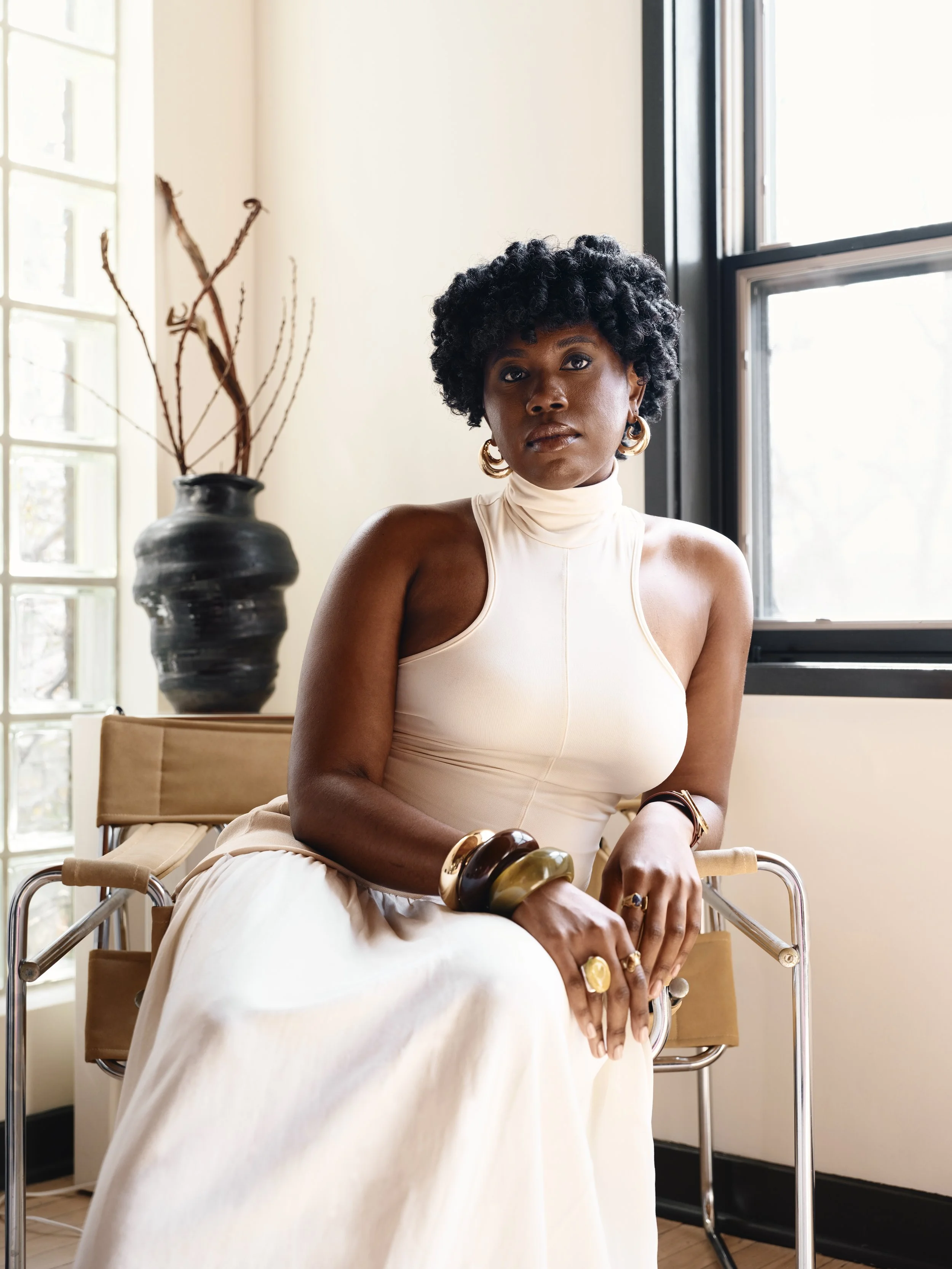
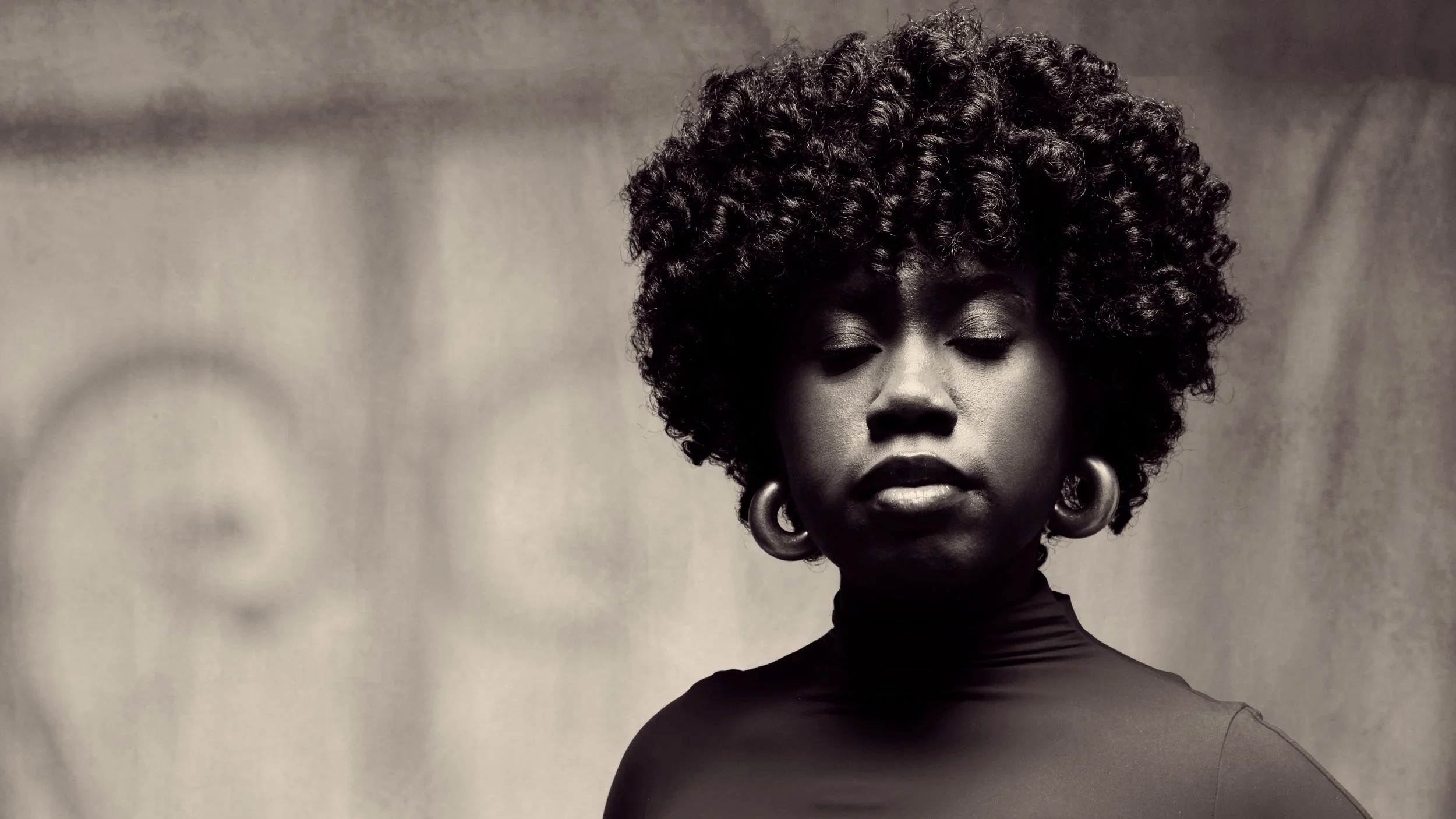
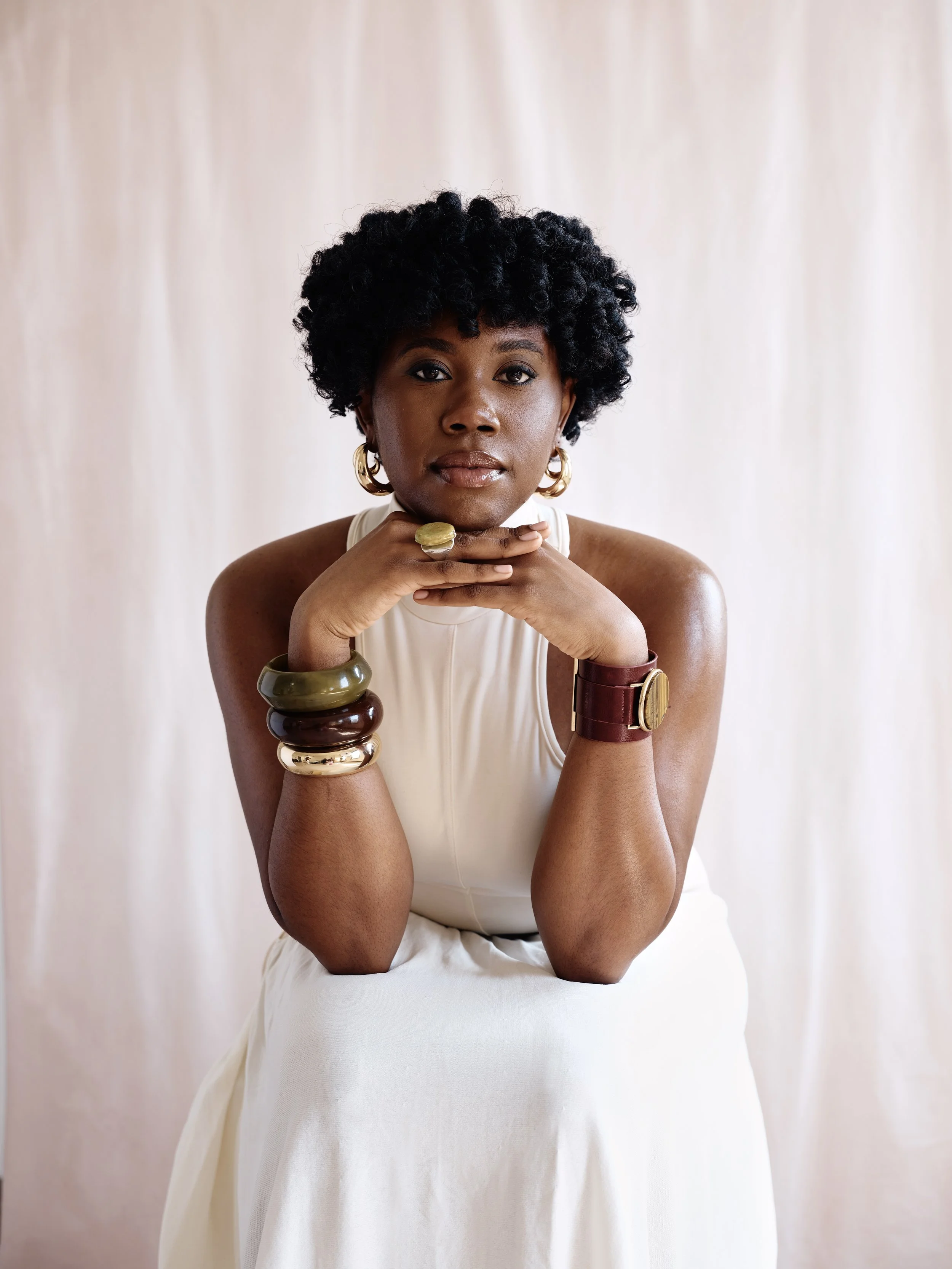
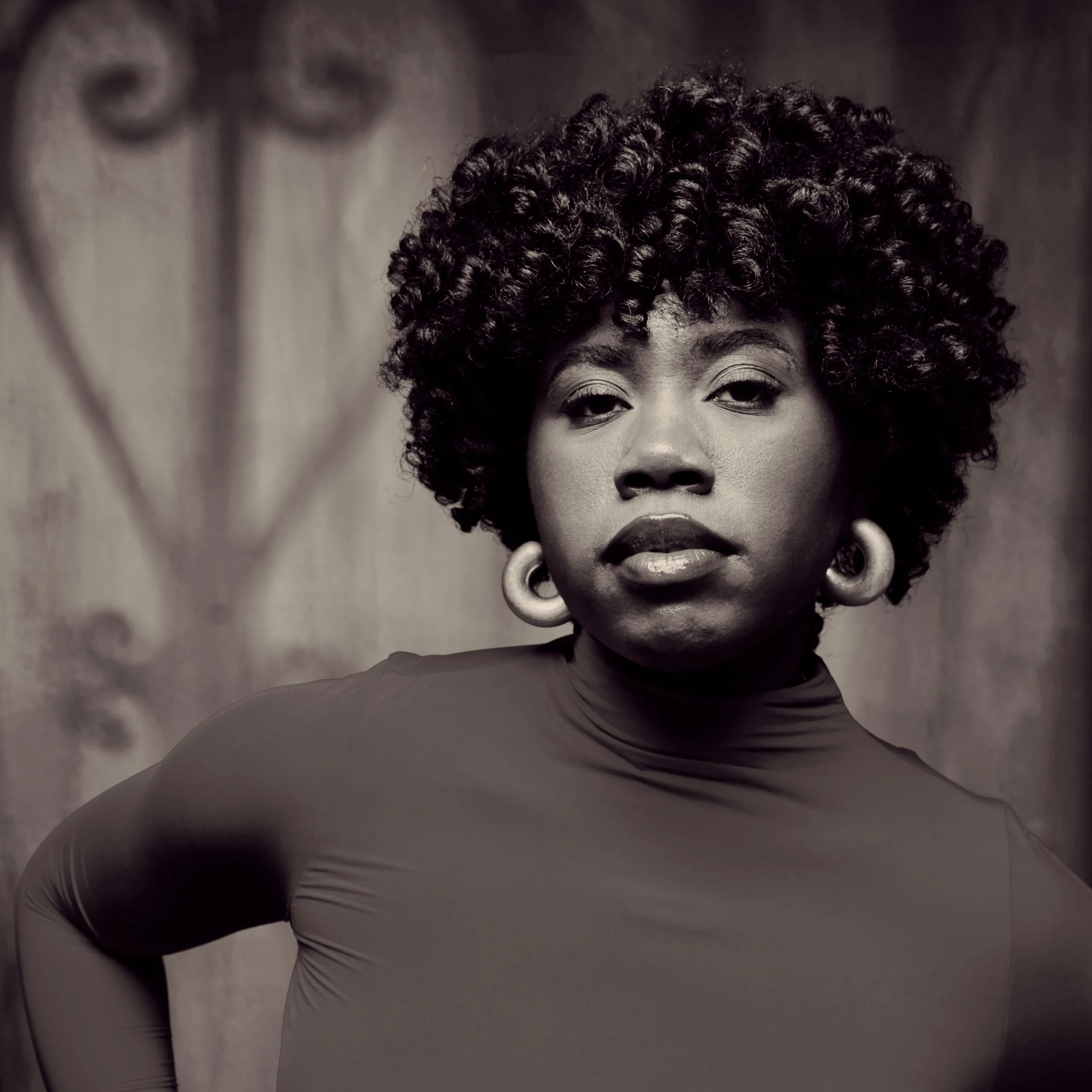
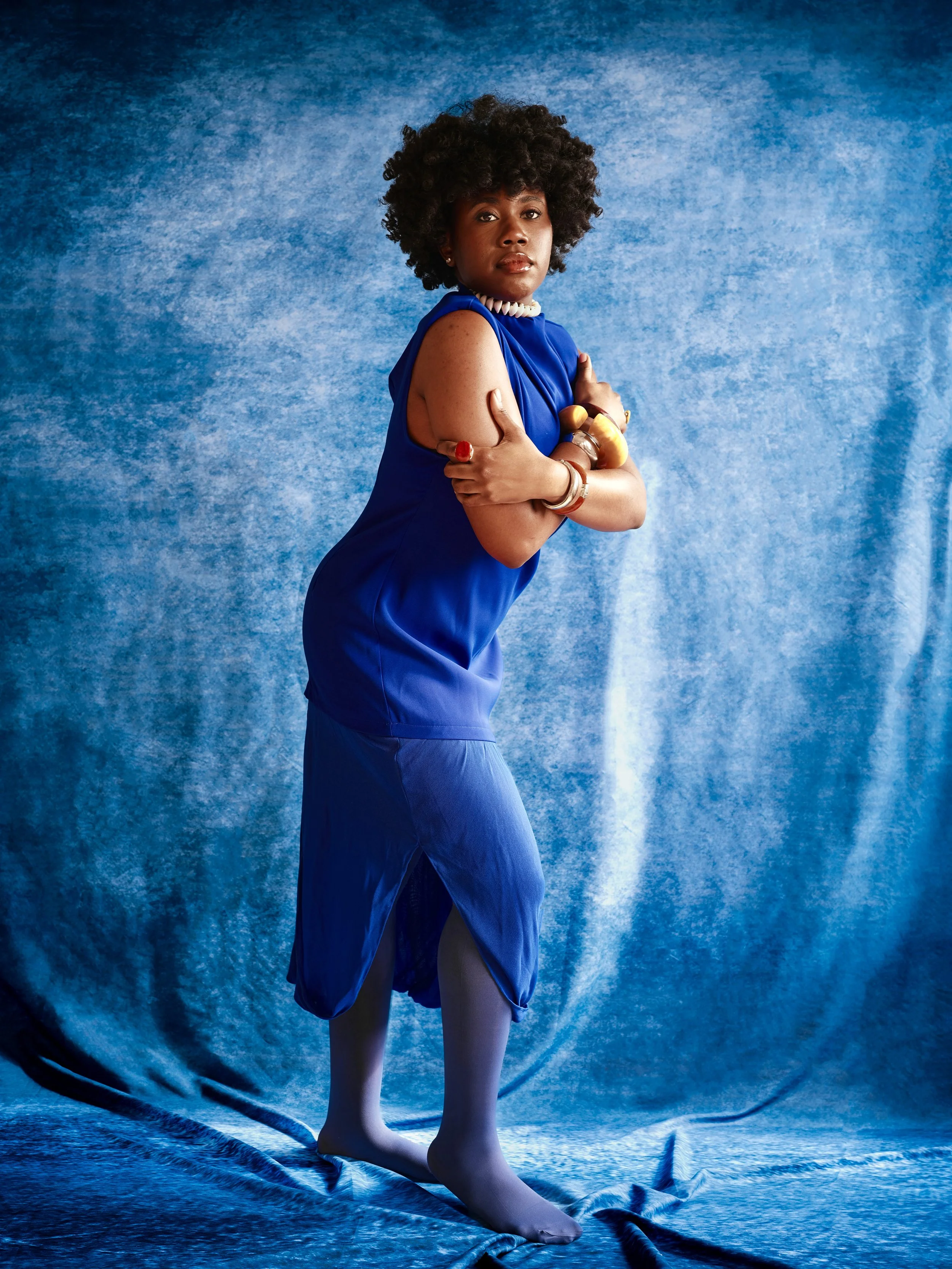
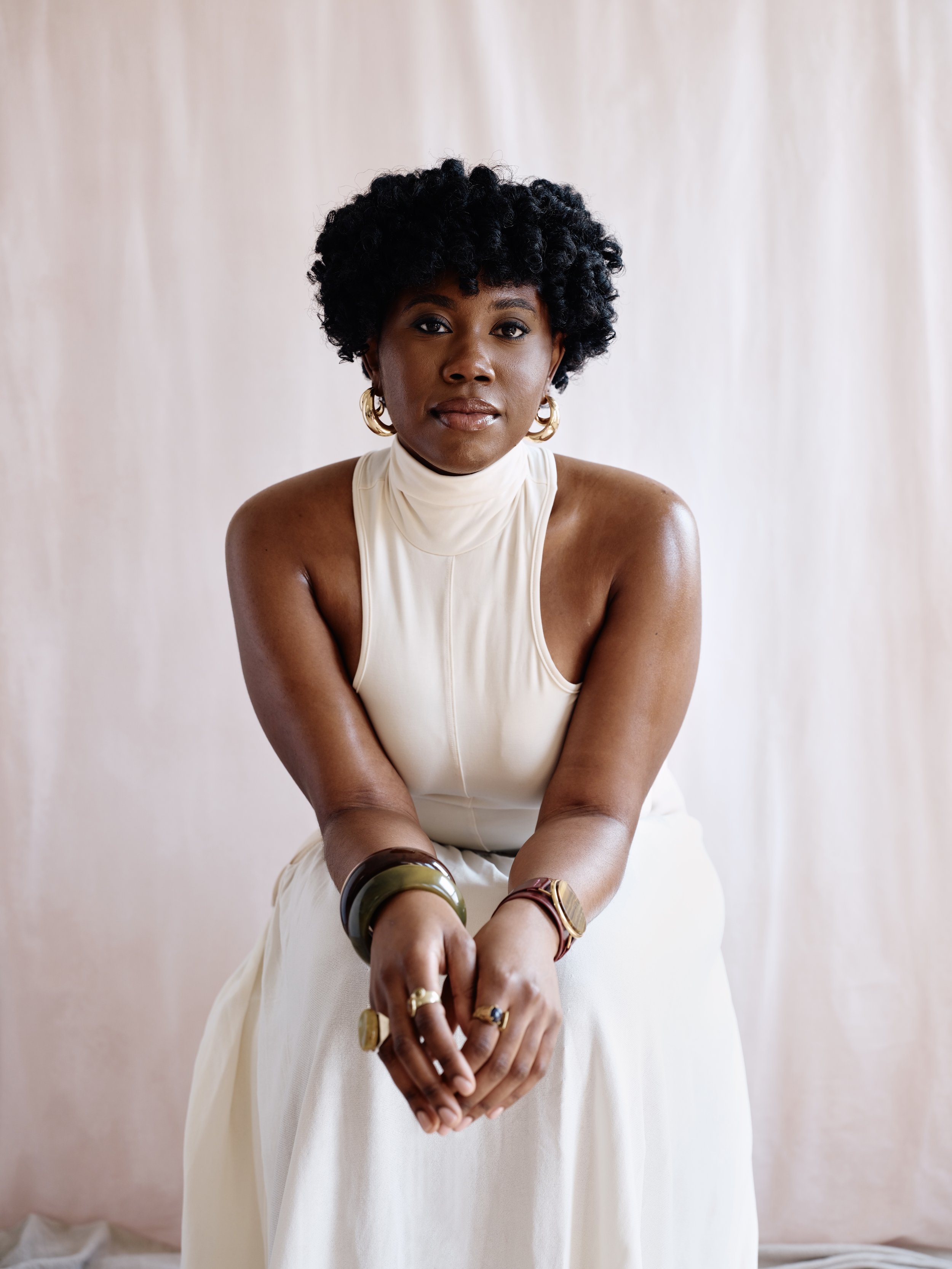
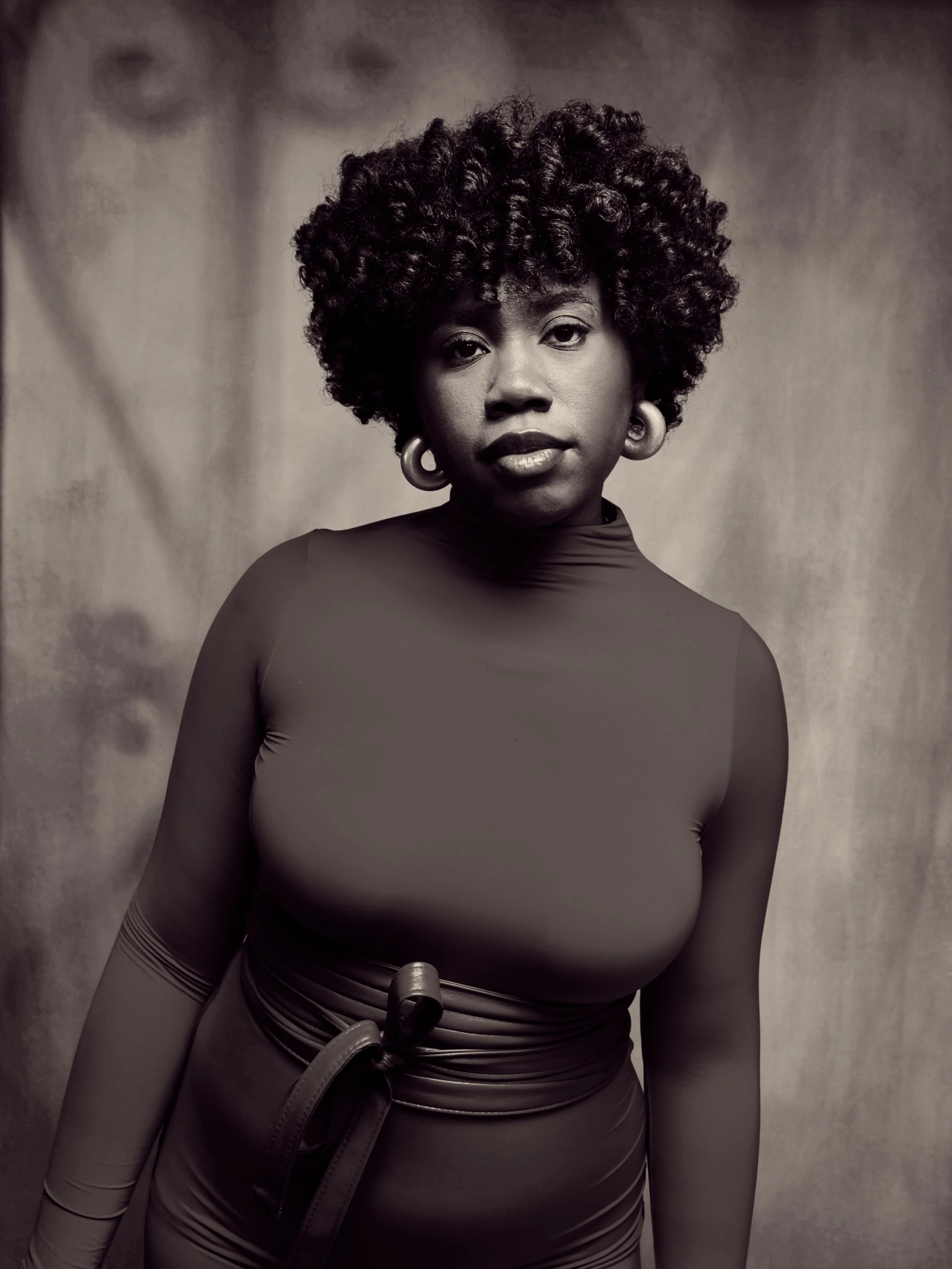
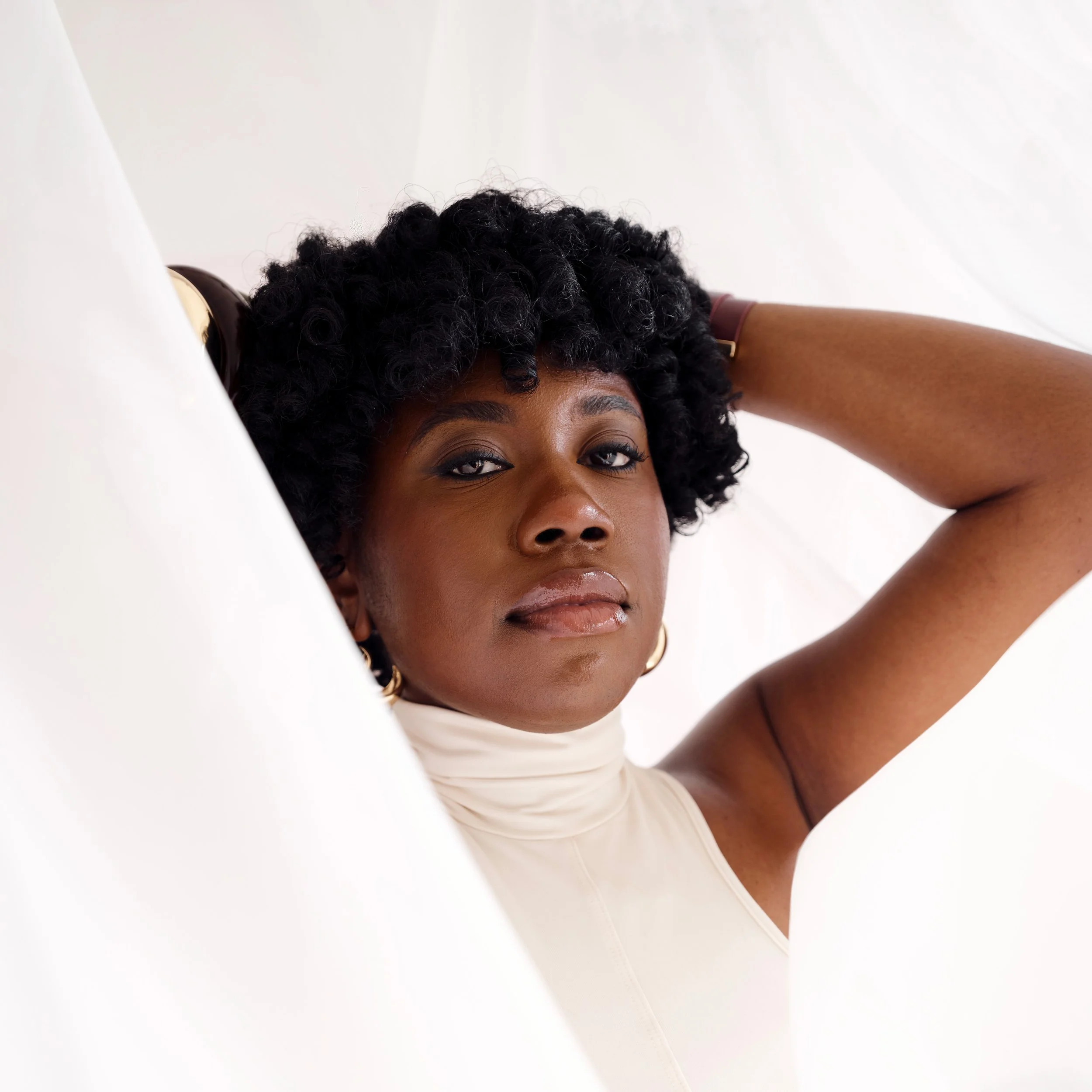
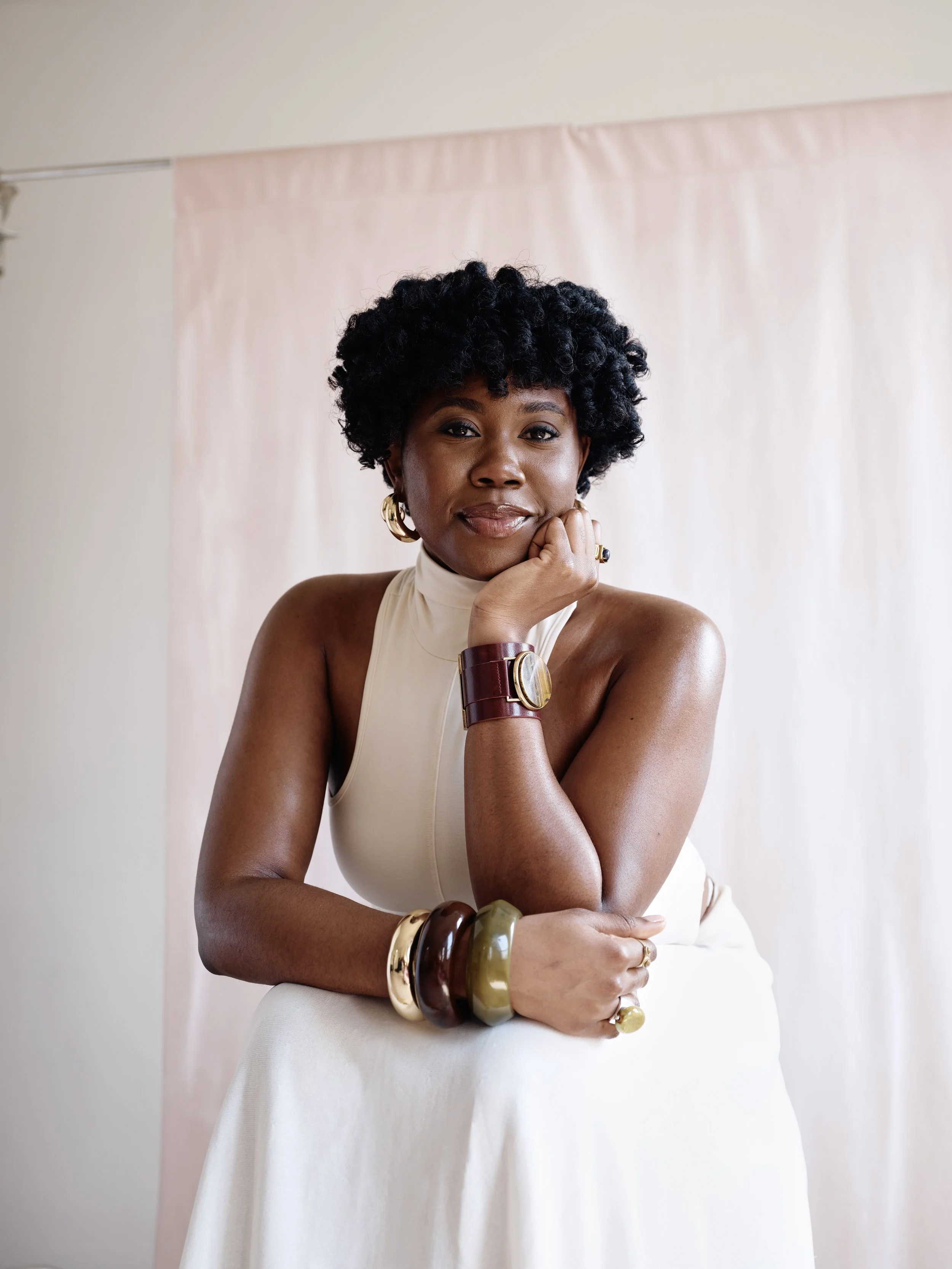
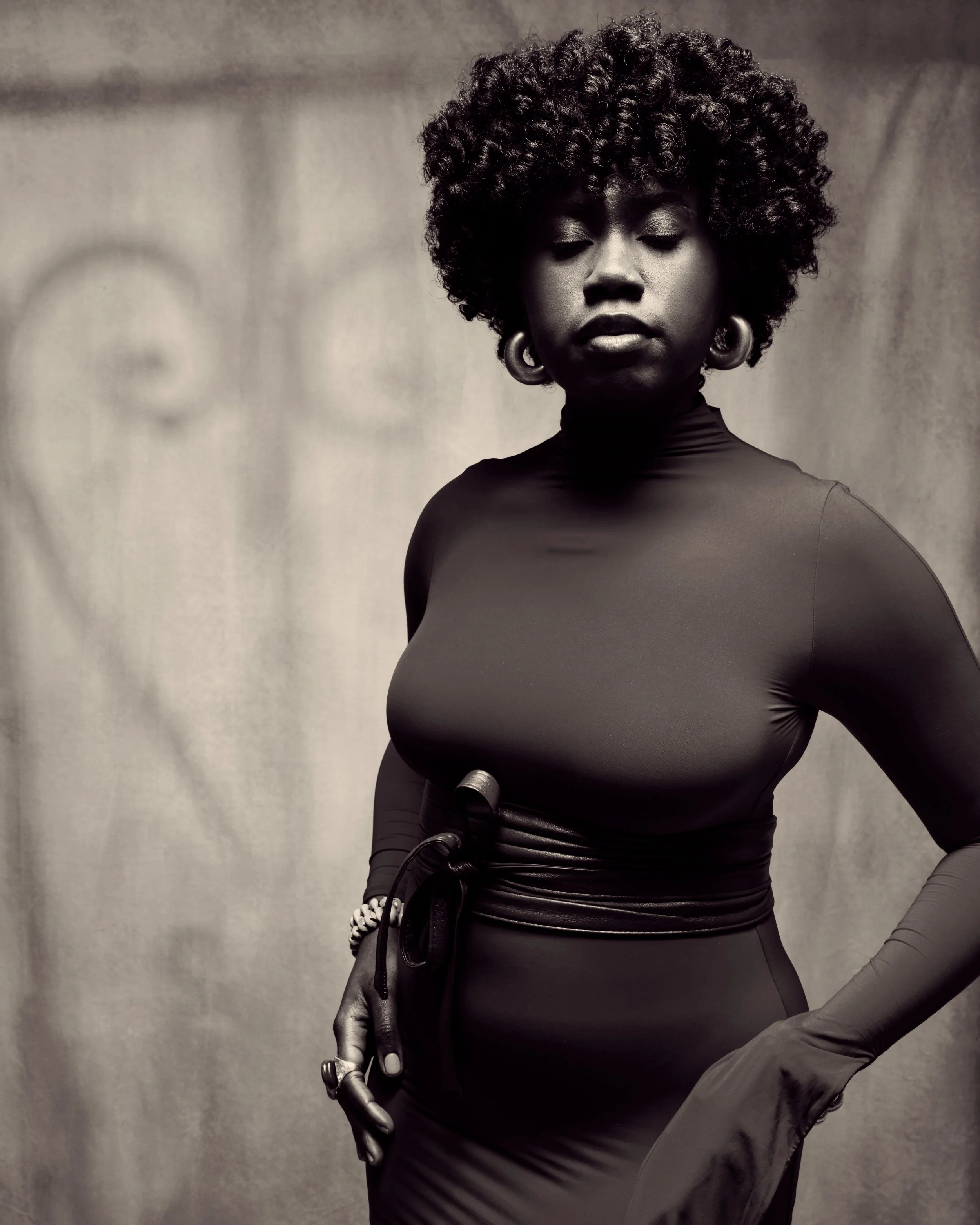
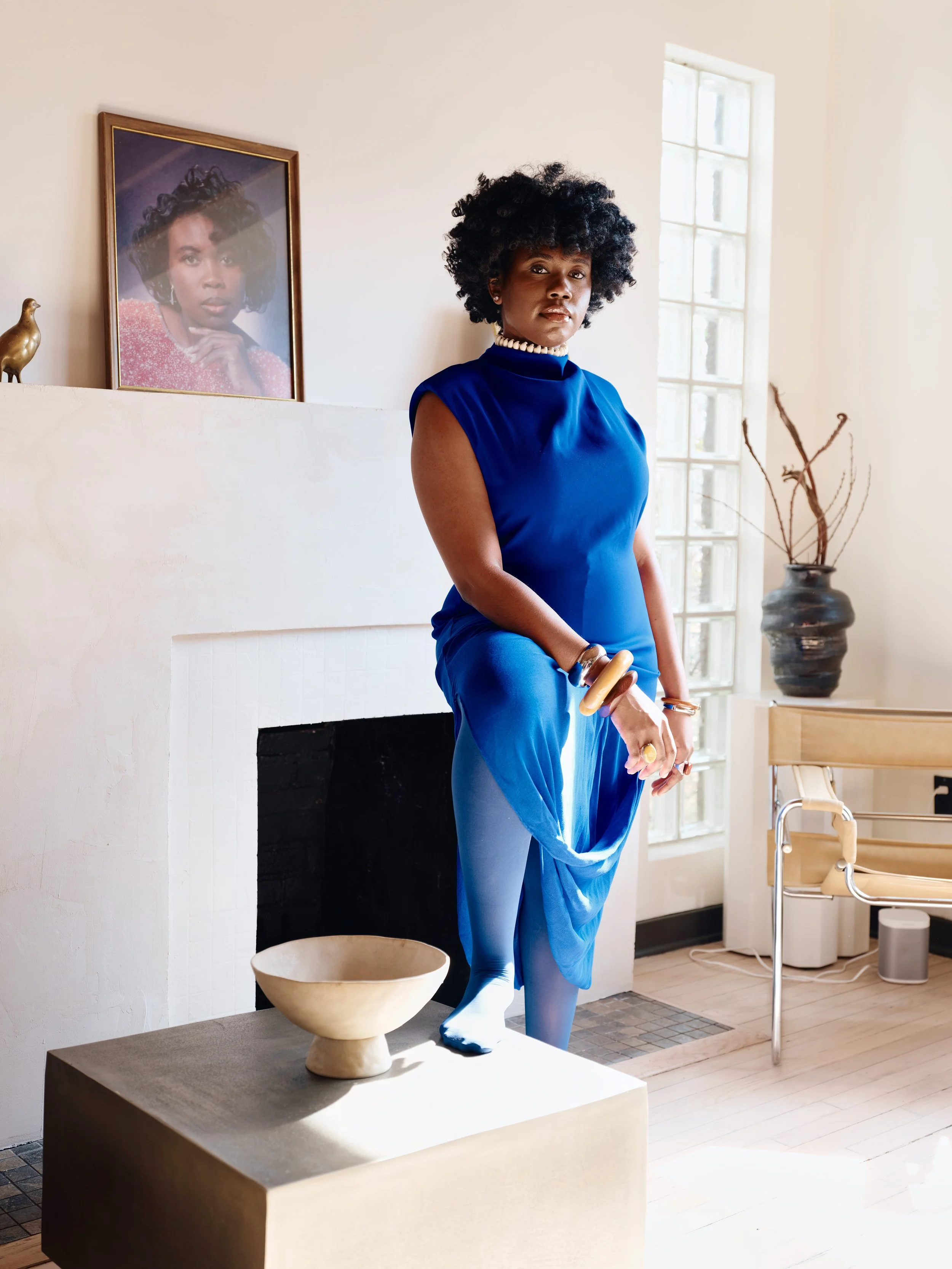
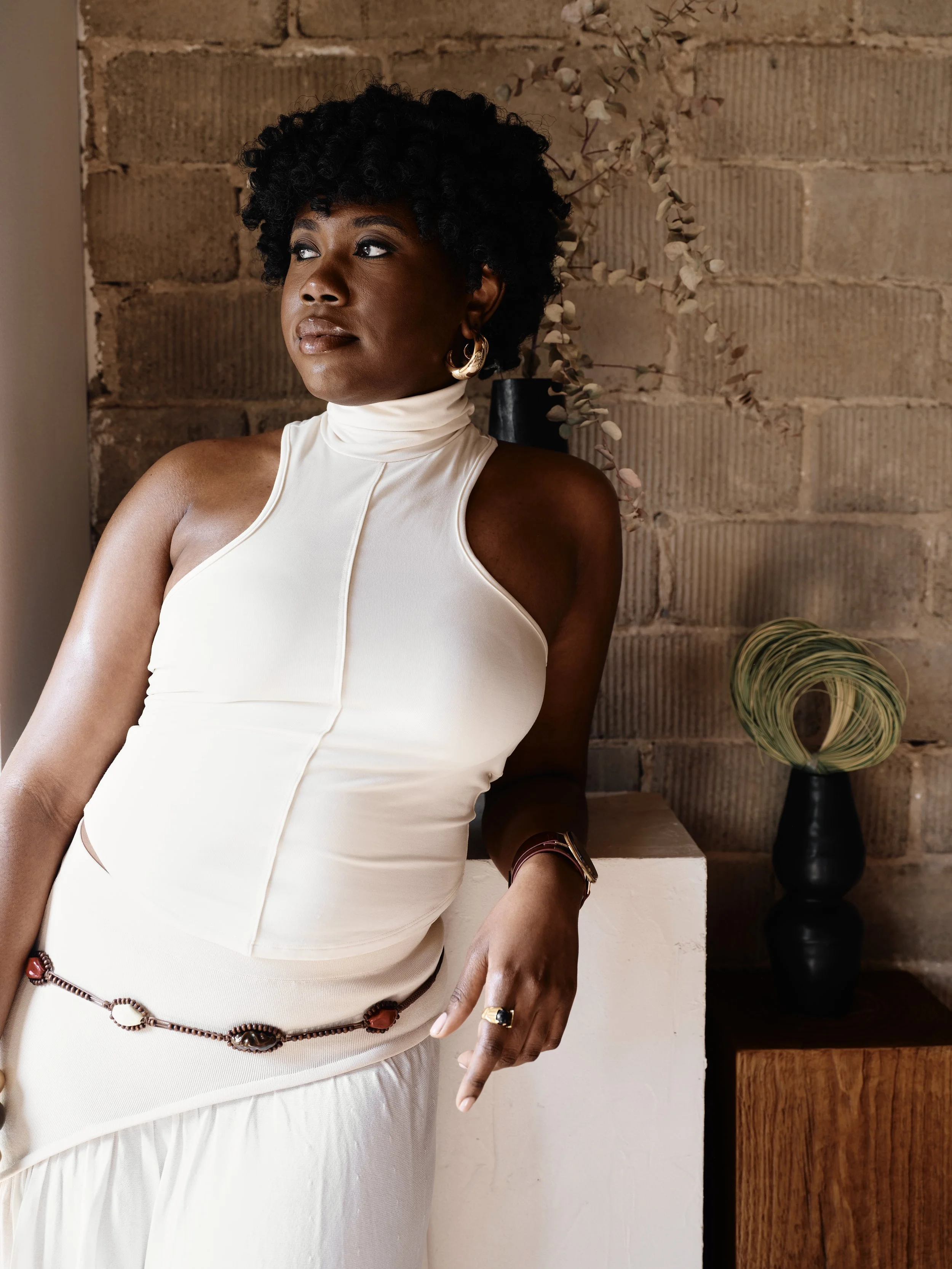
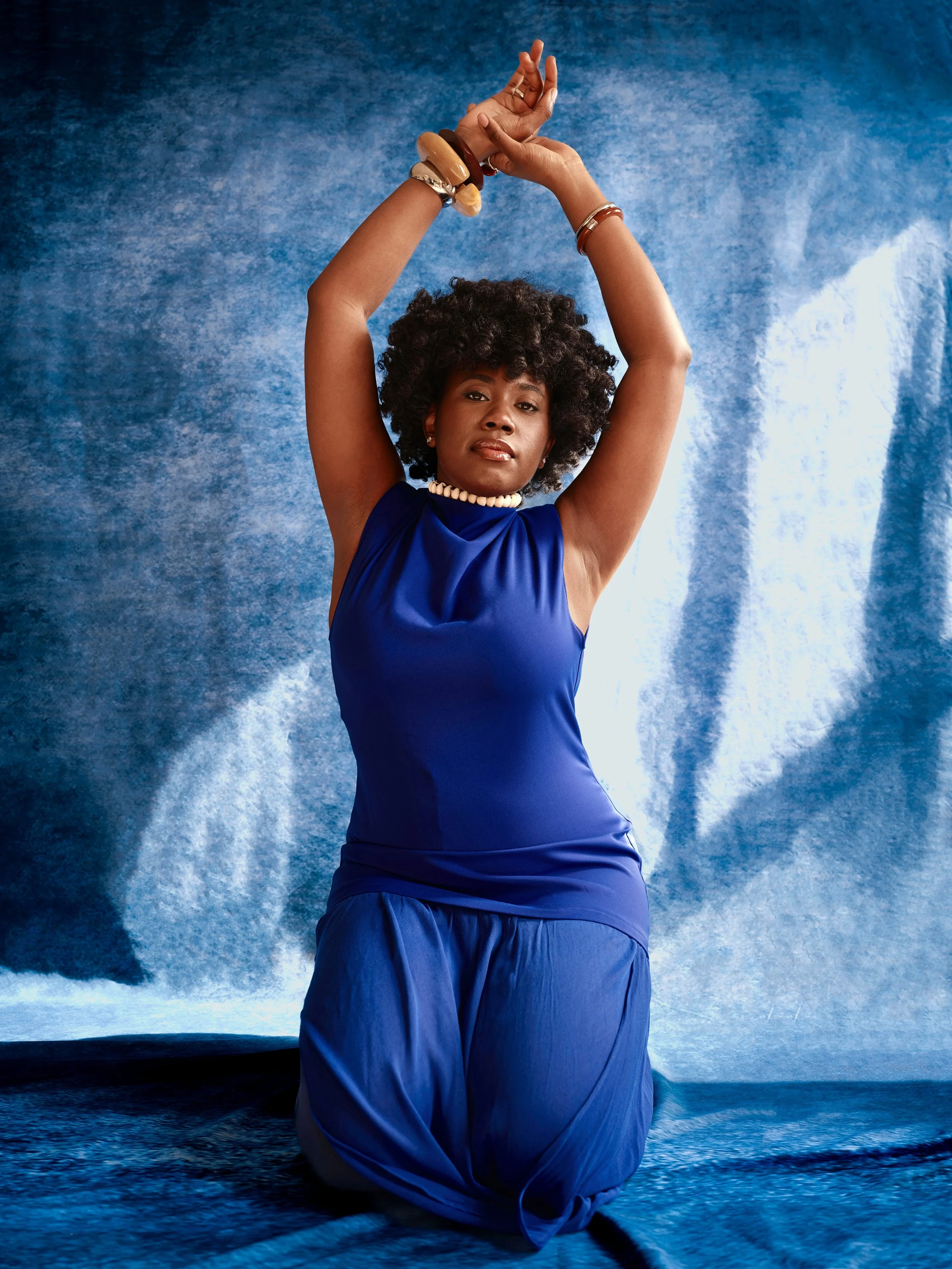
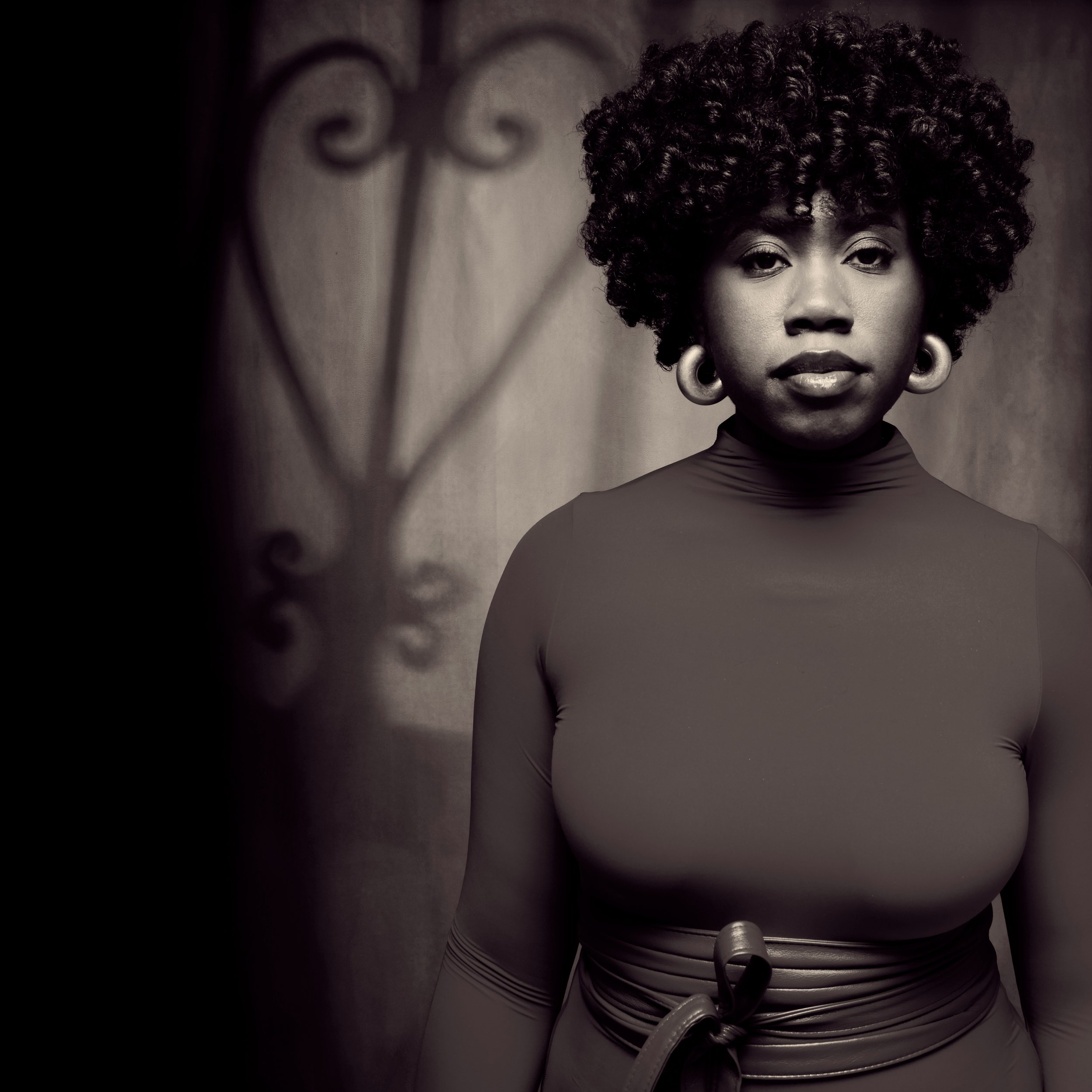
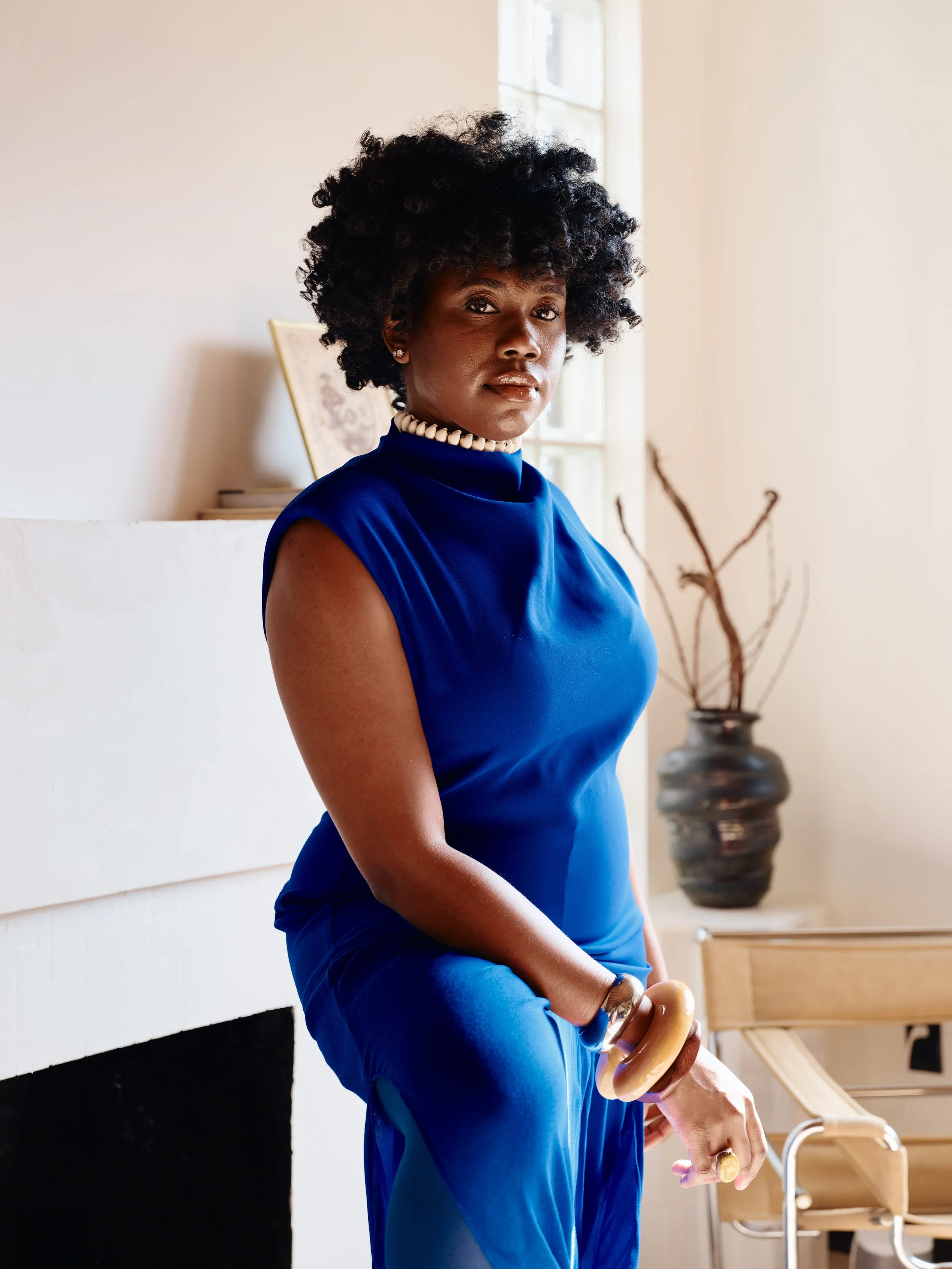
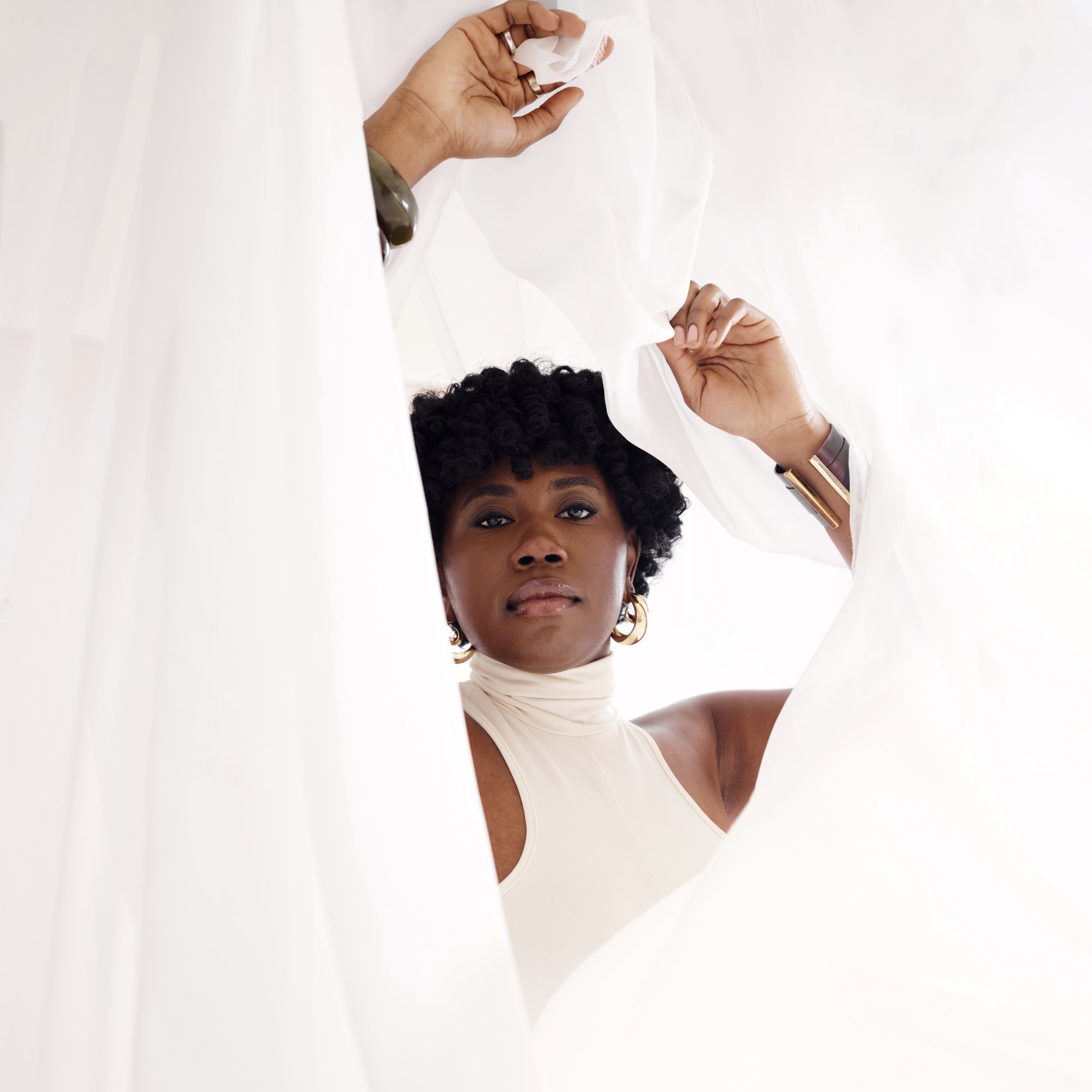
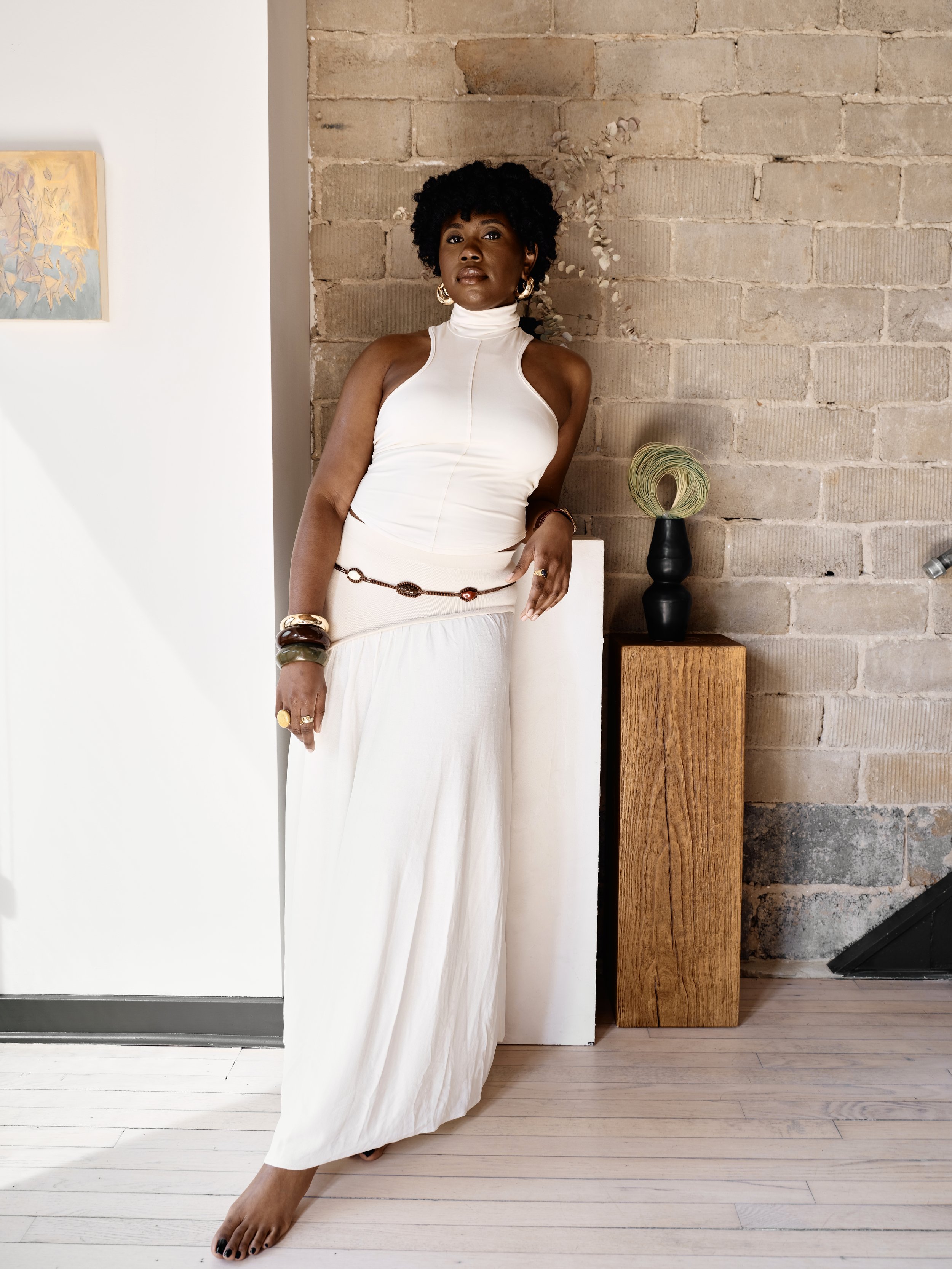
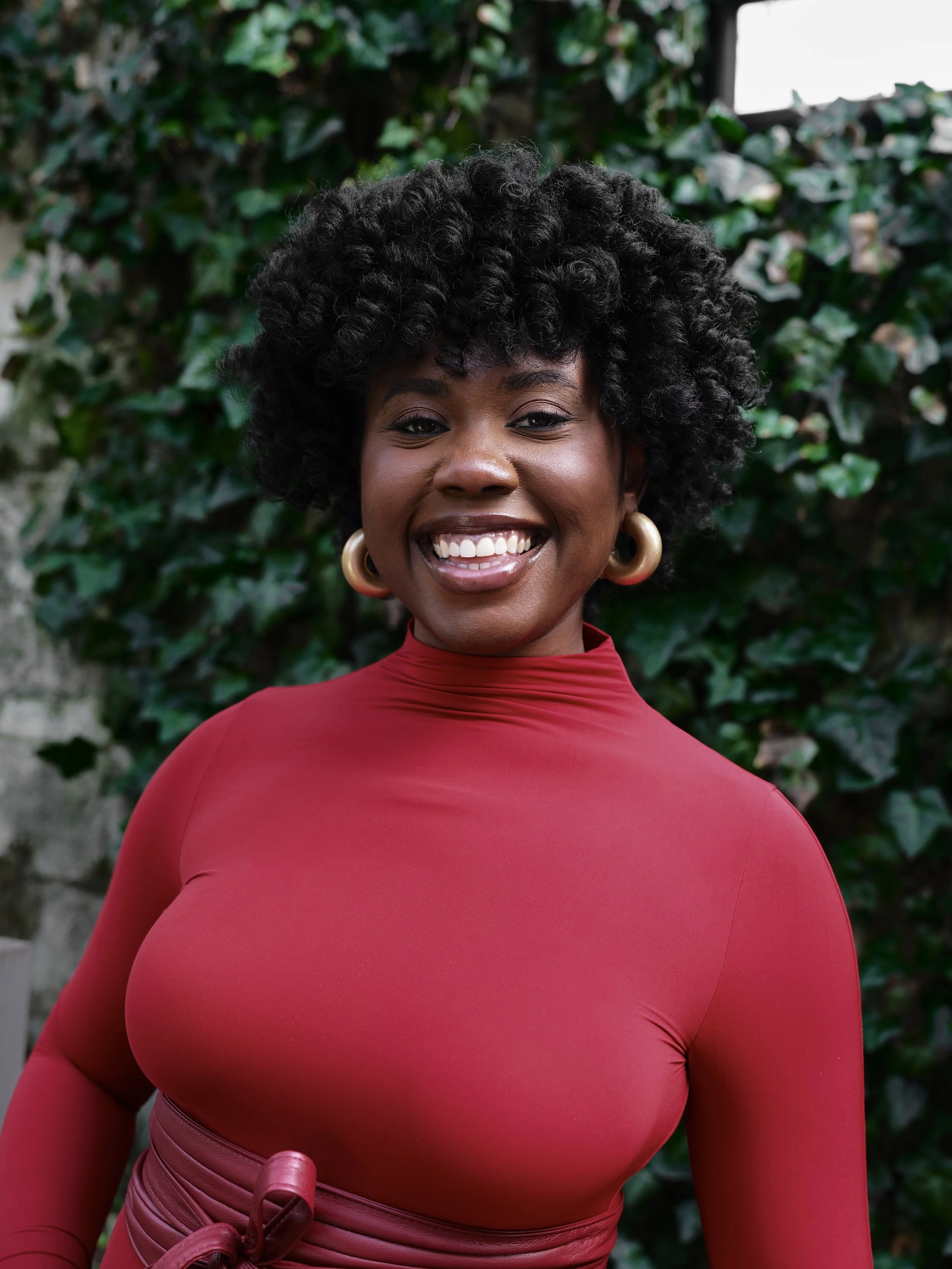






With Ekep Nkwelle, it always comes back to her voice: rich, warm and as assured intoning intimate melodies as soaring, spellbinding flights. The style or song choice becomes secondary to her remarkable tone, phrasing and instantly memorable interpretations of well-known standards and new compositions alike. The 27-year-old singer, composer and bandleader has been captivating audiences since she first led worship at age 12, even then honing her ability to transport and inspire. More recently, legends like Wynton Marsalis, Dee Dee Bridgewater and Kenny Barron — who invited her to appear on his 2025 album Songbook — have sought Nkwelle's talents to share stages and studios, an endorsement of talent far beyond her years.
Now with her long-awaited debut album, Caged Bird on Mack Avenue Records, Nkwelle is showing the world the sound she's been refining on the road with her dynamic band for years: traditional and vibrant, studied and spontaneous, familiar yet surprising. The resulting nine songs show an artist transcending genre with veteran polish and a totally original perspective.
Nkwelle's family originally hails from Cameroon, but she was born and raised in the United States — specifically, the rich musical community of Washington, D.C. and the surrounding DMV area. "To me, D.C. is the most soulful place on the East Coast," she says. "The people, the food, the culture — growing up in that and around that, I think, comes out in my voice and how I sing." Her father also played music, even recording with major Cameroonian artist Prince Eyango, but it was the powerful voices of the local gospel scene as much as her West African heritage that first shaped her as a performer. Crucially, those early performances in church gave her confidence. "To have the responsibility, at such a young age, of ushering people into an intimate moment like worship was scary," she says of those early days. "It made it much easier to transition into bandleading and being on some of the biggest stages in the world."
The singer's love of jazz developed while attending D.C.'s Duke Ellington School of the Arts, where she received classical vocal training. A performance by her peers of "Sophisticated Lady," though, proved transformative. "Oh man, I think that I really belong in this space," she remembers thinking, dazzled by the big band swing — and less than a decade later, she was fronting the Jazz at Lincoln Center Orchestra.
That progress is a credit to the discipline Nkwelle has shown over the years, proving to herself and her parents — who were somewhat skeptical she would be able to make a career as an artist — that she could do it. "Everything you do must be excellent," her mother told her when she said she wanted to be a professional singer. "There should be absolutely no way that somebody should look at you and go, 'Eh.' You have to be undeniably excellent."
At the time, she dove into the music, coming up with reverence for Sarah Vaughan and Natalie Cole as she began taking jazz courses and gigging around the capitol at bars like Jojo's and Mr. Henry's. Mentored by local jazz legend Davey Yarborough, Nkwelle entrenched herself in the jazz tradition as she was finding her place within the music's next generation. She continued her jazz studies at Howard, allowing her to continue building her live chops locally while studying with pianist Cyrus Chestnut — her mentor to this day. Nkwelle then moved to New York to pursue a master's degree at Juilliard — a shift that put her talent under an entirely new spotlight, opening doors first around the country and, not long after, around the world.
What she's learned on that journey is evident on Caged Bird, which is more than just a collection of standards. "This is the story of blues people," she says of the release, citing Amiri Baraka's seminal work. "In this life, there's good and there's bad. There is suffering and there's survival. There is pain and there is perseverance. We go through things, but by God's grace we're still here." That trajectory, of starting with belief and then through that belief overcoming any trials one might face, was on Nkwelle's mind as she selected the songs for this album, many of which came from her crowd-pleasing live sets. They span secular and devotional, old and new — one, Nkwelle's take on "The Sad Ones," a composition by local D.C. legend Roger Wendell "Buck" Hill, features original lyrics by the singer, including her first foray into vocalese (though not into songwriting).
Alongside the stellar young talents in her touring band — pianists Luther Allison and Julius Rodriguez, bassist Russell Hall and drummer Brian Richburg, Jr. — Nkwelle mines a common thread among these disparate tunes, The opening track, a jaw-dropping rendition of the classic hymn "His Eye Is On The Sparrow," is simply arranged and deeply felt, full of open space for the singer to show both her range and her faith. It flows seamlessly into the title track, Abbey Lincoln's "Caged Bird" (yes, the bird theme is intentional!), cast in new light by the ensemble's effortless polyrhythms.
Nkwelle weaves those polarities — gospel reverence and contemporary eclecticism — through the rest of the tracklist, making the moody Broadway chestnut "Night Song" and Djavan's plea "Amazon Farewell" sound cut of the same cloth. For her, they are all coming from the same place. "All of these songs speak on topics or feelings or emotions or experiences that can be found in a text that's at the center of my beliefs, which is the Bible," she says. "I don't believe that what I'm doing now is at all apart from my upbringing or my faith."
She imagines the iconic "Good Morning, Heartache," her favorite track on the album, as hopeful, not hopeless: "It's like I feel heartache, but I still got up — like, I still woke up," she says. The adversity she imagines on the album is tangible and political, as well as spiritual. The lyrics she wrote for the lament "The Sad Ones," completed in one inspired night, were inspired by recent controversy around abortion laws, including the overturning of Roe V. Wade. "They won't even talk to me/Can't somebody talk to me?" the narrator pleads.
The album's conclusion, a swinging rendition of the classic blues "See See Rider," offers an upbeat conclusion in line with the story Nkwelle is telling — a story of moving onward and upward on a personal level, and, ultimately, a societal one. "Let's lament together, let's mourn together, but let's also overcome together and persevere together," she says. "That's what blues people, what Black people, what humans have been doing since the beginning of time. Overcoming." With her voice, shaped by years of enchanting audiences across genres, front and center, Nkwelle's opening statement as a recording artist gives that enduring message a vital, new sound.