
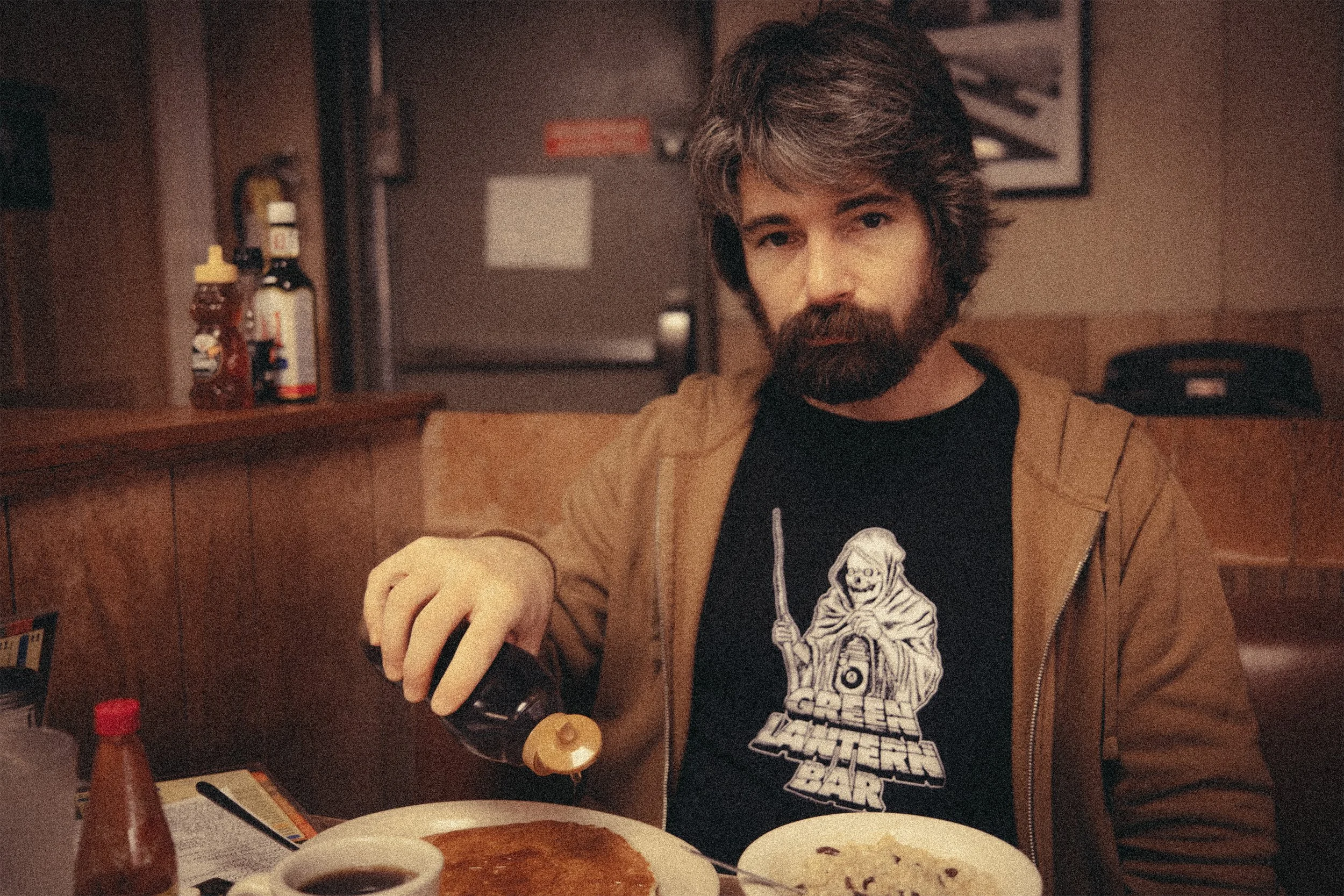
Click Image to Download!
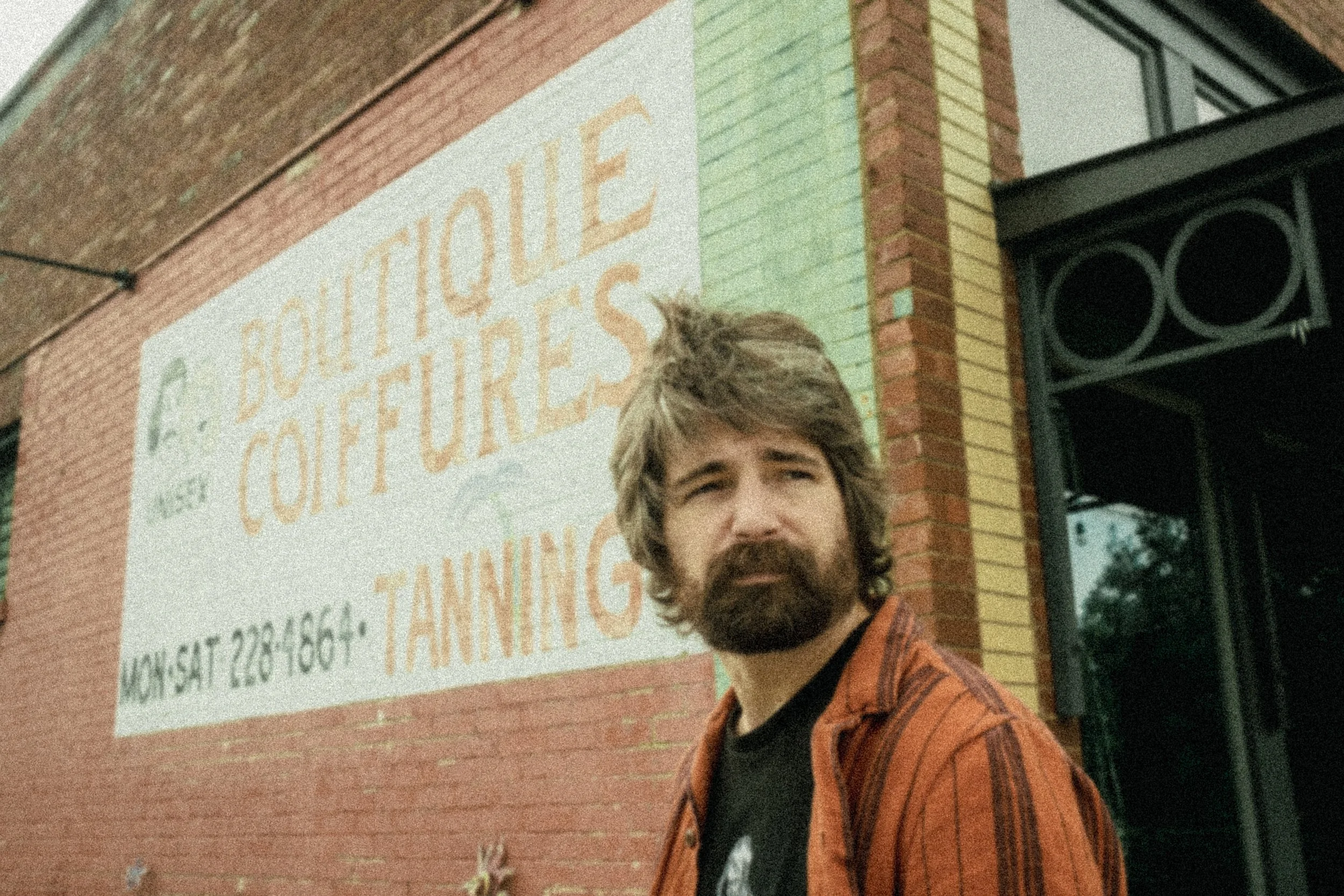
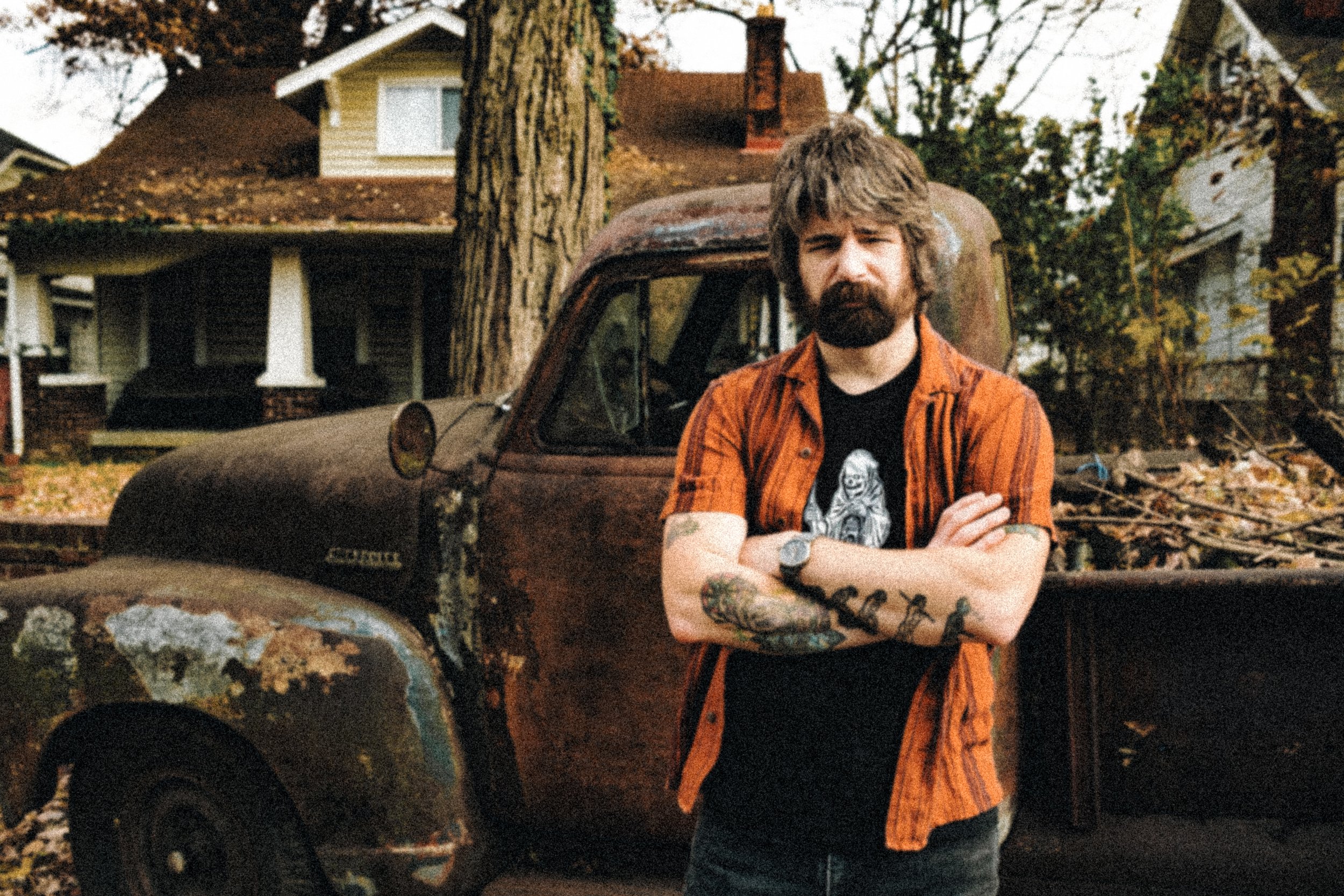
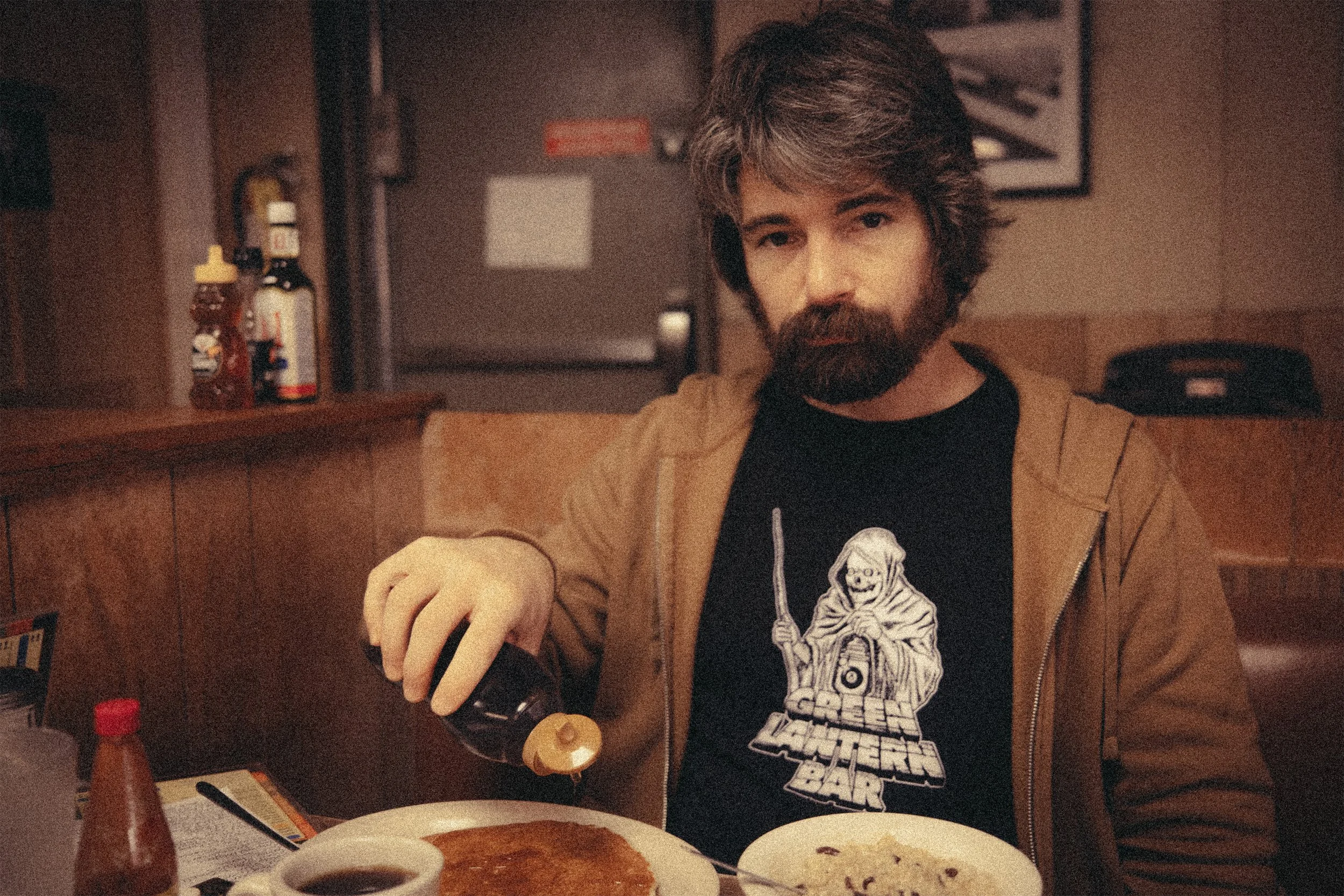
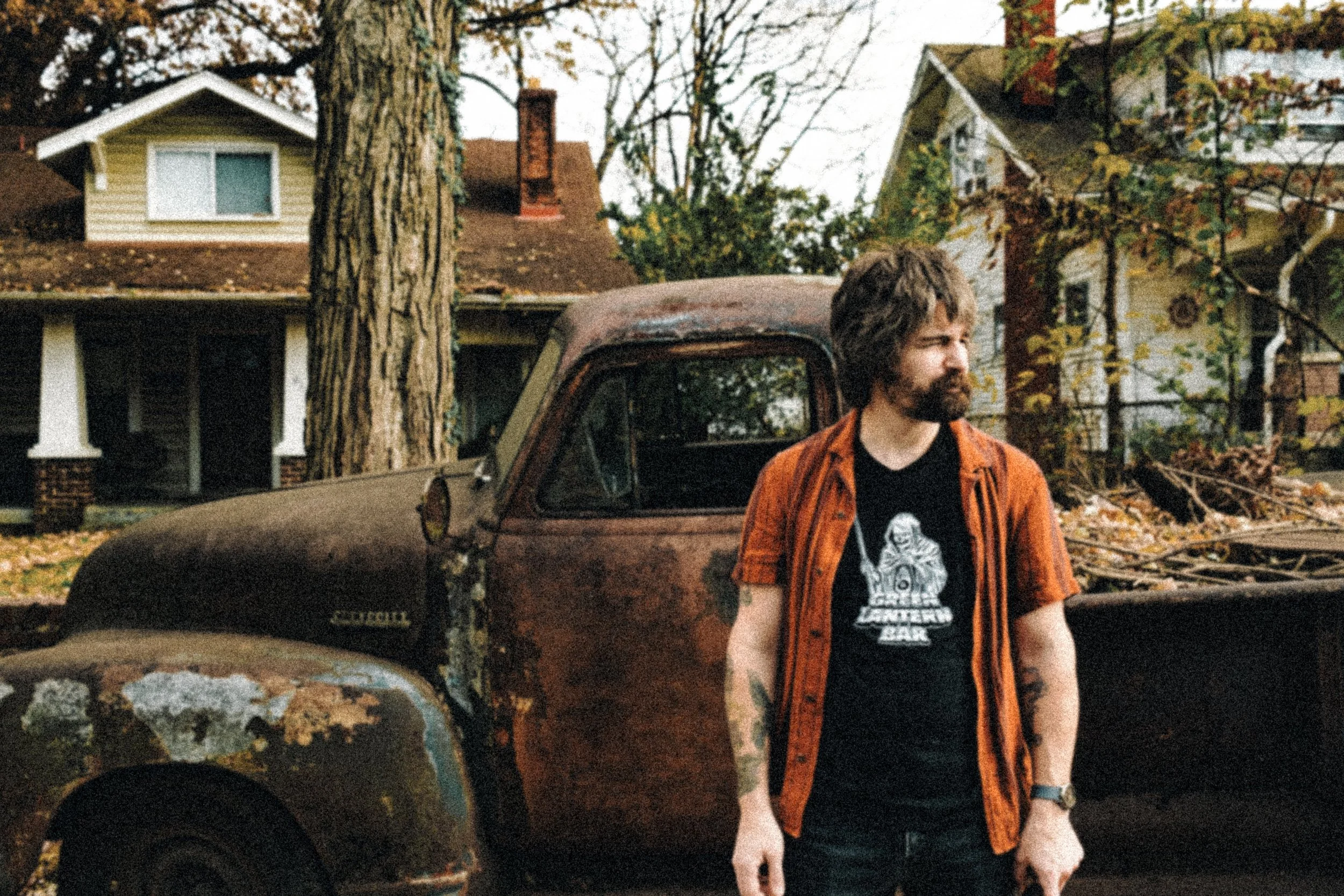
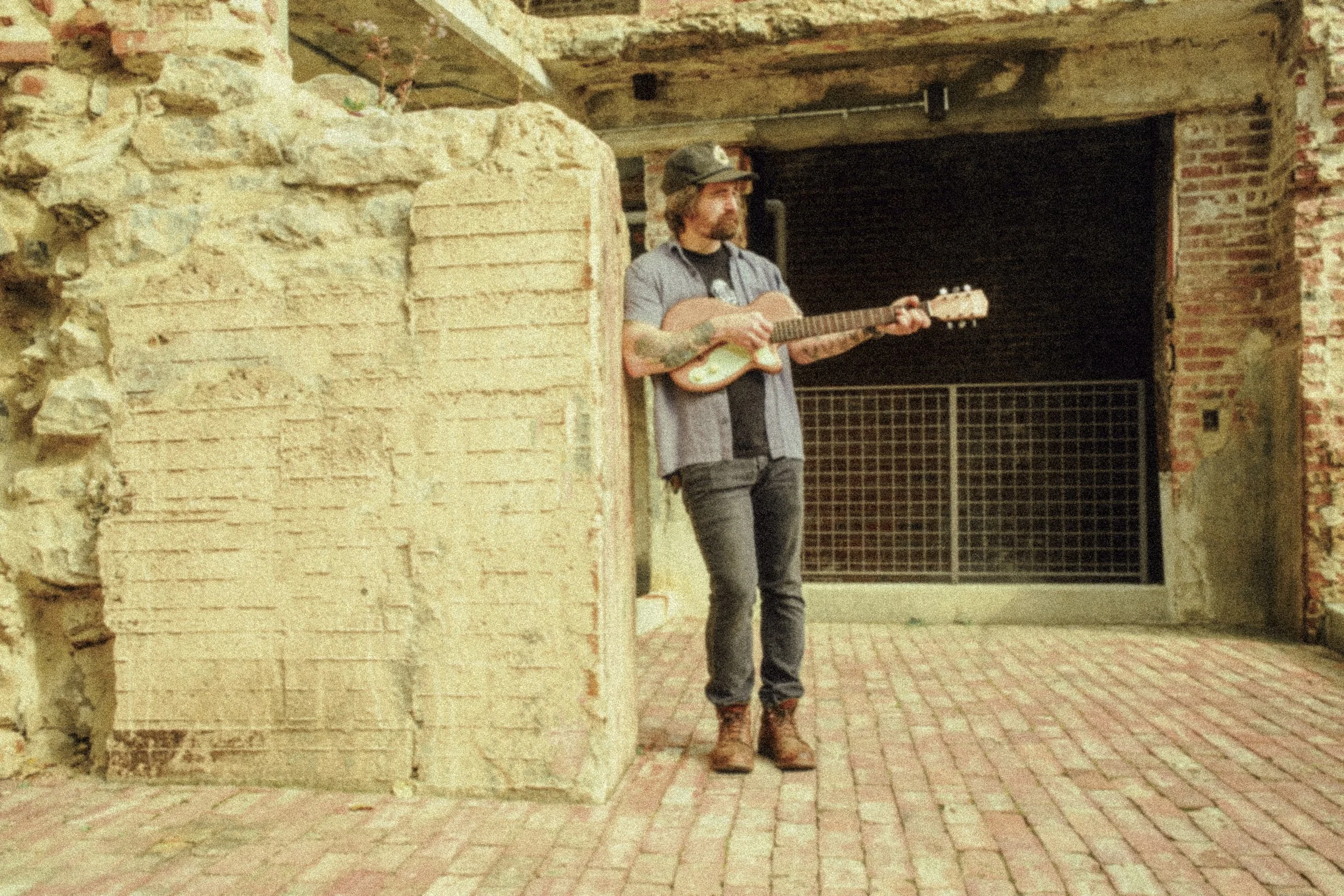






As John R. Miller started making plans to record his fourth album, his thoughts turned to challenging himself not just musically, but geographically.
“I wanted to get out of my comfort zone, go somewhere less familiar to me and try a new approach,” he says.
Born in the Washington, DC area and raised in West Virginia, Miller is a studious and acclaimed representative of the sound usually categorized as alt-country or Americana, but his work is rooted in sources from the punk he grew up around to more unconventional paths in rock history. So when the idea of heading to Tulsa and working at Leon Russell’s legendary, recently reopened Church Studio came up, Miller took notice.
“Immediately the gears started turning,” he says. “Tulsa is one of the great
legacy-bearing cities of American music—J.J. Cale is one of my all-time favorites, and Shelter Records was based there. So much of what I love in music history happened right around that block.”
The result is The Great Unknowing—an ambitious, sprawling project that extends the sound and scope of Miller’s previous releases, 2021’s Depreciated and the 2023 follow-up Heat Comes Down. Those albums earned him praise from outlets including Spin and American Songwriter; Tyler Childers called him “a well-traveled wordsmith mapping out the world he’s seen, three chords at a time.”
But the singer-songwriter wasn’t content to just keep his direction and his momentum, chugging along in the same lane. In addition to changing location, he wanted his new music to explore new sounds and approaches, even if that meant rolling the dice on different players and processes.
“My goal was to get into a room with a bunch of people that I didn't already have a rapport with and track the record live,” he says. “I wanted to go into a new situation and hopefully strike up some new creative ideas as we were doing it.”
With his longtime friend and collaborator Adam Meisterhans as co-producer and guitarist, Miller approached Tulsa-based drummer Paddy Ryan to help enlist the band, a line-up which came to include Grammy-nominated John Fullbright on keyboards.
Feeling both apprehensive and excited, Miller was thrilled by how quickly things fell into place. Other Tulsa-based players in the band included Aaron Boehler on bass, and Muskrat Jones on pedal steel.
The album was engineered by both Gary Laney (Don Williams, Merle Haggard, The Marshall Tucker Band) and Mike Prado (Ziggy Marley, Sara Bareilles, Matt Kearney). A longtime Nashville engineer, Laney brought decades of experience into the room along with a deep and varied resume that quietly underscored the caliber of the team Miller had assembled.
“Once we got in there, we realized that these were all guys that were cut from the same cloth,” he says. “As soon as we started playing through the songs, it sounded like a band. These guys are so adept and intuitive, and we found a lot of common ground to mine, connecting not just on Tulsa music, but psych, heavy metal and all sorts of stuff. Having Adam there was key, too. He has a deeper knowledge of music and guitar than I do, and was a major part of the session’s connective tissue, both interpersonally and musically.”
There’s a buzzing, fuzzy ambience that permeates songs like the opening “Far from the Station” and “Don’t Bet on Me,” creating a distinctive sense of space and mystery. Miller asserts that the easy lope of “Cornbread and Pinto Beans” helped define the feel of The Great Unknowing, and he even pulled off something he’s attempted before, writing
“Static and White Noise” the day before sessions started and actually seeing it through to the finished album.
“I never feel like I am bringing in enough songs, but I had the idea to write that one on the way to the studio,’” he says. “Which usually doesn't work. I was also worried about adding too much gravitas to that song, because I never want to over-dramatize something with production. I was pleasantly surprised at how understated it turned out, but also very lush.”
Miller notes that his history in West Virginia—where he grew up in the Shenandoah Valley playing in high school garage bands before discovering traditional fiddle music and touring as a member of an old-time string band, working his way up to performing alongside some of Americana music’s heavy hitters—remains present in “Cornbread” and “Steering Wheel Drums,” with lyrics that offer sketches of some old friends.
“Those songs are, if not explicitly, to me about folks who really taught me a lot about how to live well,” he says. “Not being in West Virginia as much these days, I feel kind of wistful about it, but sometimes I like to hold on to that instead of seeing things change.”
Indeed, images of travel and motion recur throughout The Great Unknowing; maybe song titles like “Tollbooth” and “Steering Wheel Drums” give that away, but there’s also the Massachusetts Turnpike setting the scene in “Static and White Noise” or the desperate narrator of “Think I’ll Start Over” who’s “walking around this town” and “looking for a ride.”
“I’ve done more traveling than not since I got my driver's license,” says Miller. “You tend to explore that territory in songs when you're doing it a lot, but some of them, like ‘Tollbooth,’ seem to be more about witnessing American decay. It can be hard to notice changes as they happen when you're living in a place, but when you revisit the same places over time, you get a sense for how the landscape is shifting, both literally and figuratively.
“After the pandemic,” he continues, “we got back on the road and started doing more touring than I'd ever done before, but since then it’s had a strange, chaotic feel to it, something that’s more hostile to people who do the kind of stuff that we do. It's taken on an air of menace in some places, and I think the traveling songs carry a little bit of that weight with them.”
Sessions, which were planned for three days, went so smoothly (Miller describes the work as “a whirlwind—two or three passes and then clean up, move on”) that there was time left at the end to cut some additional, unplanned material. He decided to use the opportunity to record a few songs written by other people.
First came two selections by friends that Miller credits with giving him “a lot of songwriting inspiration and mentorship”—Darrin Hacquard’s “A World Away” and William Matheny’s “If You Could Only See Me Now.” Miller played bass on the original sessions for both songs; with Hacquard’s composition, he says that he “had an idea to take it in more of a guitar-heavy, wall-of-sound direction—I didn't know if it was going to work, but I really enjoyed doing that.”
Then he turned his attention to a couple of better-known tracks. He and Meisterhans used to play “Golden Light” by the Georgia Satellites years ago in their bar band Prison Book Club (which Miller describes as “excruciatingly loud alt-country shit”), so the choice was “driven a little bit by sentimental feelings, but that Satellites record was pretty formative for me.” The last song cut for the album was a recasting of the 1985 Dire Straits hit “Walk of Life,” slowed down more and more with each take. “We weren’t quite sure where the song was going, but we were almost there,” says Miller, “and then, like, two BPM slower, and it was like the lights came on in the room.” It felt right to wind things up in Tulsa with a song by J.J. Cale disciple Mark Knopfler.
Of course, the city itself and its music tradition had their own impact on The Great Unknowing. Miller and crew visited Leon Russell’s archives in the Church; “I would hesitate to call it a mystical experience,” he says, “because I’m skeptical of such things, but it was very meaningful to get to behold so many of these artifacts, which seem to me mystical in nature.” The group also took a field trip to the Bob Dylan Center the morning of their first session. “That was a really nice energy to carry into the studio,” he says.
But John R. Miller is quick to emphasize that while Tulsa turned out to be the ideal location to make the album, it isn’t the beginning and the end of the story, “This record is pretty varied,” he says. “We never tried to go too far outside of the box, because the box was the groove. There's a t kind of pocket with those guys that seems almost
innate—as soon as Adam and I got into a room with them, I was like, ‘How do you do that?’
"I didn't want to go in and make a Tulsa Sound tribute record,” he adds, “and we didn't, which is great. But it was important for me to check my expectations, be able to adapt and trust the other people in the room. It's an act of faith, if nothing else, and I learned a lot from it."