
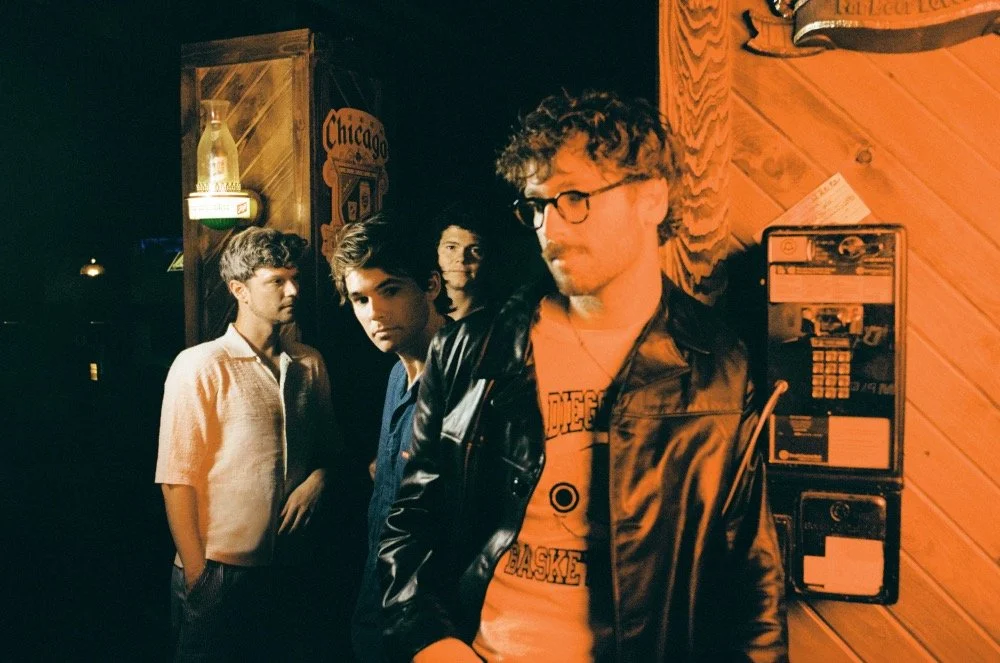
Click Image to Download!
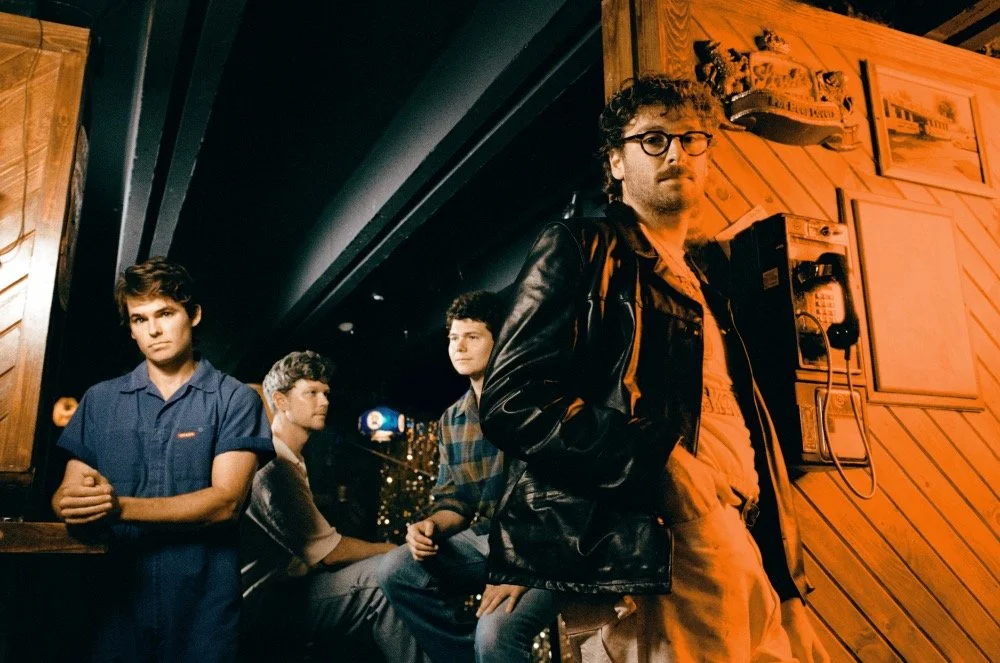







The Brook & The Bluff get back to their rock & roll roots with Werewolf. Heavily inspired by the band's live show, it's a transformative album that finds the road warriors turning up their amplifiers, speeding up their tempos, and howling at the moon in four-part harmony. The result is both energizing and electrifying — a record fueled by the sharp songwriting and stacked vocal arrangements that have always been hallmarks of the band's catalog, but shot through with the supercharged sonics of their concerts, too.
"The goal was to treat the record like a live set," says frontman Joseph Settine. "With each song, we asked ourselves, 'Will this be incredible to play onstage?' If the song passed that test, we kept working on it. That's where it all started."
For the first time in years, The Brook & The Bluff took a break from the road. They'd been moving at highway speed for nearly a decade, touring America every spring and fall, earning over 200 million streams with viral hits like "Halfway Up" and "Everything Is Just a Mess" along the way. This time, they stayed put in Nashville, meeting up every weekday morning for band practice. It felt like old times again: four friends working together in one room, rediscovering the raw energy that first took them from the campus of Auburn University — where Settine and Alec Bolton formed the band in 2015, drawn together by their shared roots in Birmingham, Alabama, and a mutual love of timeless pop/rock — to venues across the country.
Outside of the rehearsal space, regular life continued to unfold. One band member prepared for his wedding. Another made his way through a divorce. For several hours a day, though, The Brook & The Bluff shut out the world and focused on nothing but music. Channeling the southern-fried sounds of Creedence Clearwater Revival, Tom Petty, Eagles, Little Feat, and other classic rock staples, they wrote songs like "105" — a highway anthem built for the fast lane, with lyrics that explore the toll the road takes on relationships left behind in the rear-view mirror — and the swaggering, syncopated "Get By." This new material was full of melody and muscle, but each song delivered a message, too — one that often found the band reexamining the tropes and tired expectations of manhood in the modern-day south. On "Super Bowl Sunday," crashing guitars and anthemic, amphitheater-worthy hooks provide the backdrop for reflective lyrics about masculinity, ego, and the ties that bind. "That song is about being kind of a dumb guy at the crux of your life," says Settine. "You're falling apart with the love of your life, but you can't take the time to work it out, became the game is on. It's a song about self introspection and criticism. Like, how can you be so blind sometimes, as a person?"
Other songs canvas similar territory, exploring coming-of-age themes like responsibility and self-assessment over the band's loudest, liveliest songs to date. It's there, somewhere between the loud catharsis of the album's instrumentation and the sharply-written content of the songs themselves, that Werewolf packs its biggest bite.
"We've made records in the past that were similarly self-introspective," says Bolton, "but the guitars were much softer. It felt so cathartic to do that over louder instruments, where the parts we're playing can evoke just as much emotion and energy as the lyrics."
Even the softer songs felt different. While arranging the gentle grooves and fingerpicked guitars of "Baby Blue," the band decided to weave three-part harmonies throughout every verse and chorus, a technique they'd never used in the past. They elevated "Can't Figure It Out," too, buoying the melancholic song — which Settine had written during the final stages of a crumbling relationship — with brightly ringing acoustics and a thick vocal arrangement inspired by The Eagles’ "Seven Bridges Road." By the time The Brook & The Bluff headed to producer Micah Tawlks' recording studio on the outskirts of Nashville, they'd already played each song dozens of times, letting their collective energy fuel the creation process.
"Werewolf feels very full-circle for us," says drummer John Canada. "When we started this band, we didn't know anything about the recording process. All we had were our instruments, ours voices, and the energy we created together. We began utilizing the studio more and more with each album, but this time, we went back to the start and focused on creating the most energy possible between the four of us, before we even clicked 'record.' We just focused on being a live band again."
Appropriately, the studio sessions unfolded like a live show, too, with everybody playing together in real time. The bandmates sat together in a circle and recorded each song 10 times, bottling the chemistry and charisma of their stage performances into a studio session.
"We did nothing but live takes," says keyboardist Kevin Canada. "Before this album, we'd go into a recording studio and lay down one thing at a time. This time, we'd already spent months playing together at Alec's house. The arrangements were worked out. The songs were finished. We were ready to go, and you can feel that energy in the tracks."
Fueled by rediscovery, amplification, and a decade's worth of brotherhood, Werewolf is the sound of a rock & roll band reinvigorated.