

Click Image to Download!
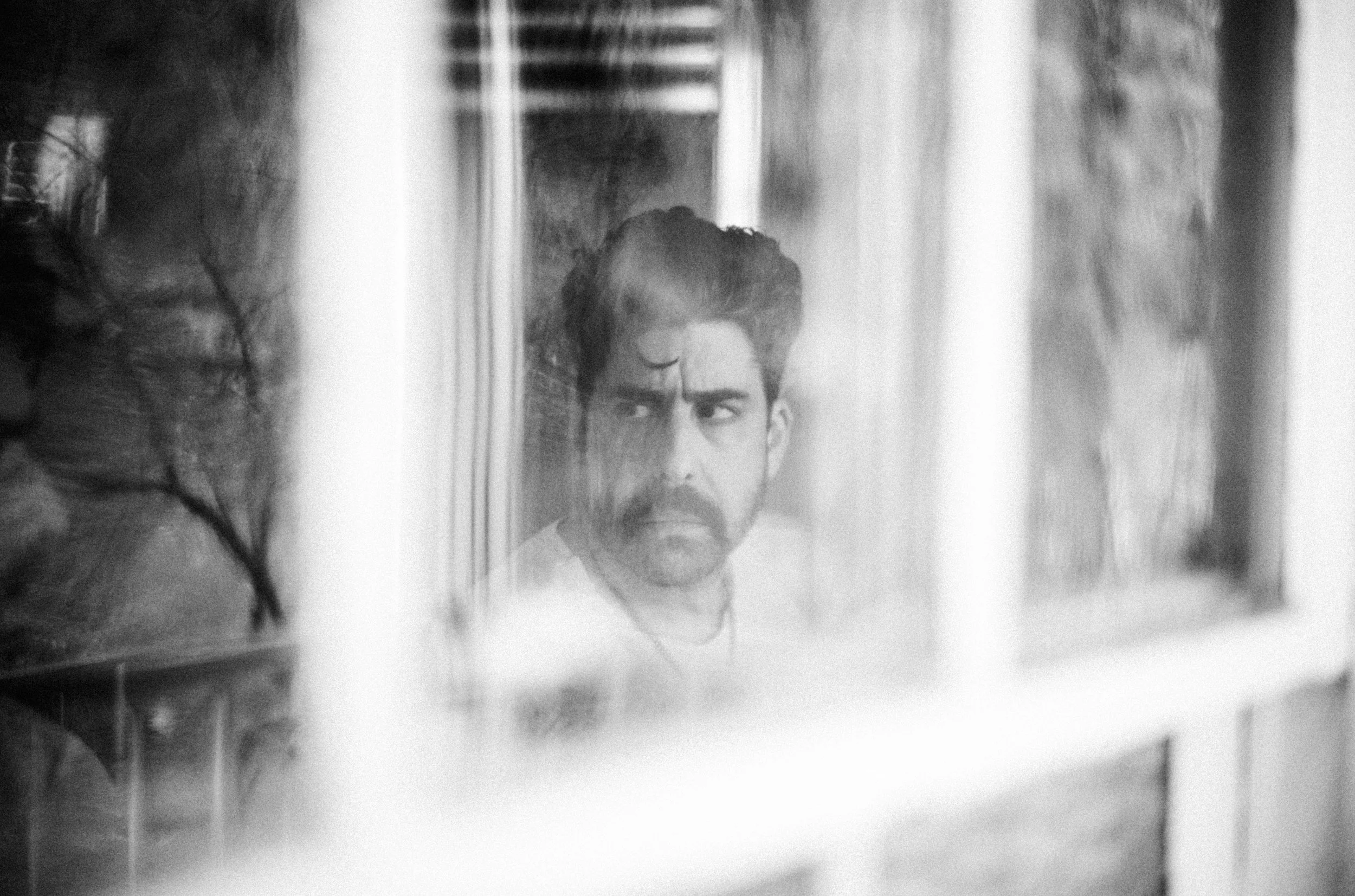
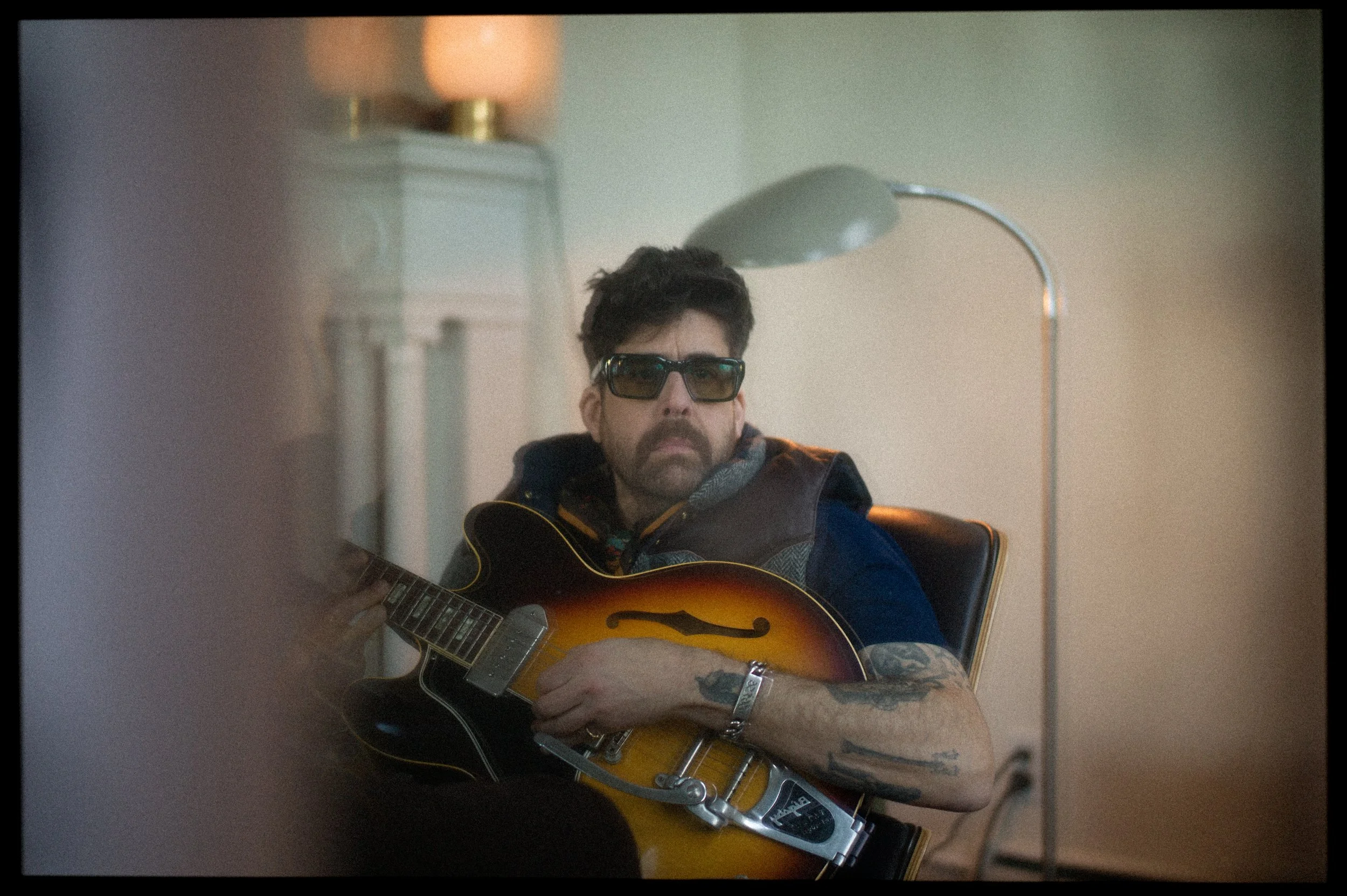

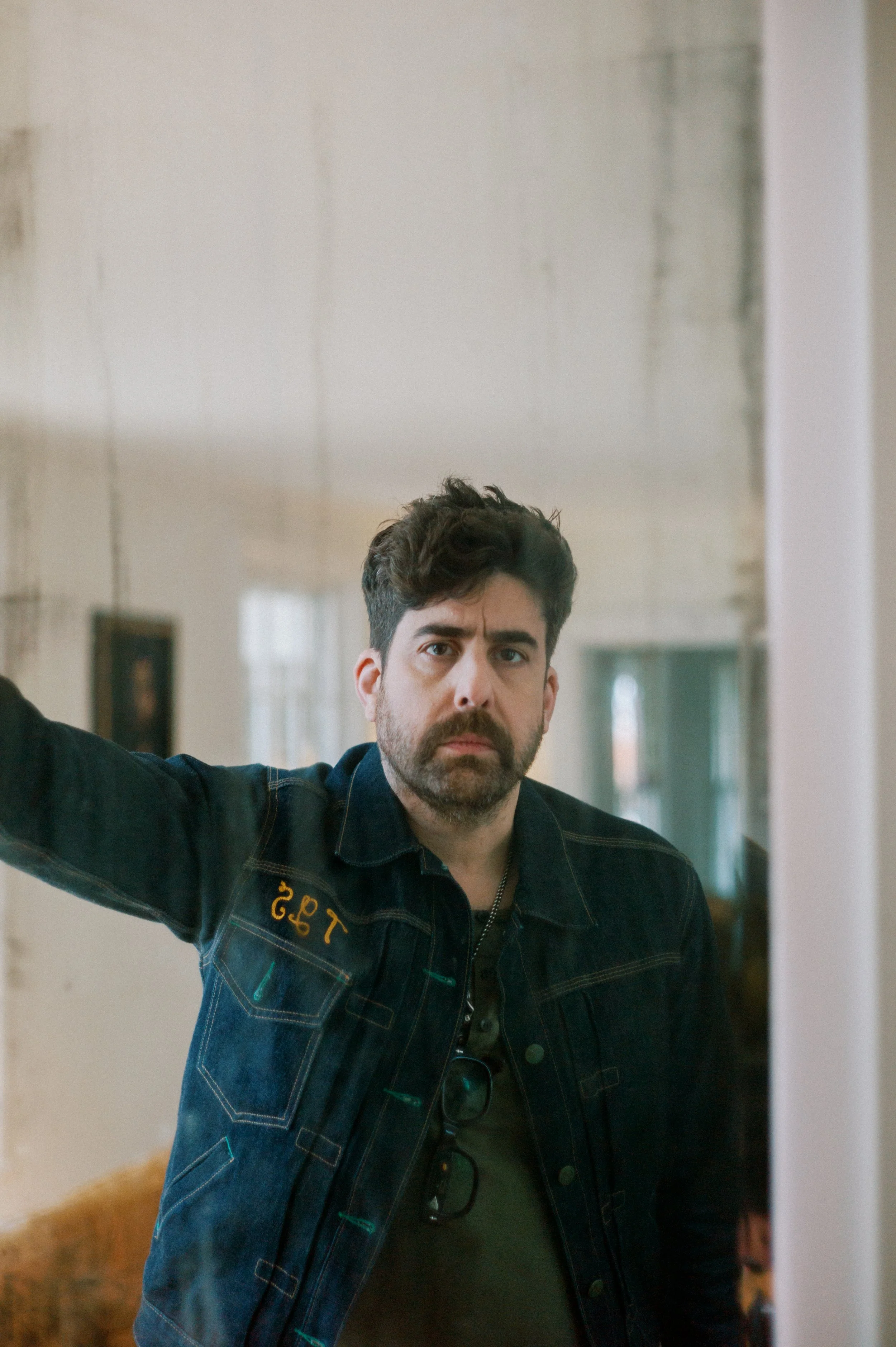




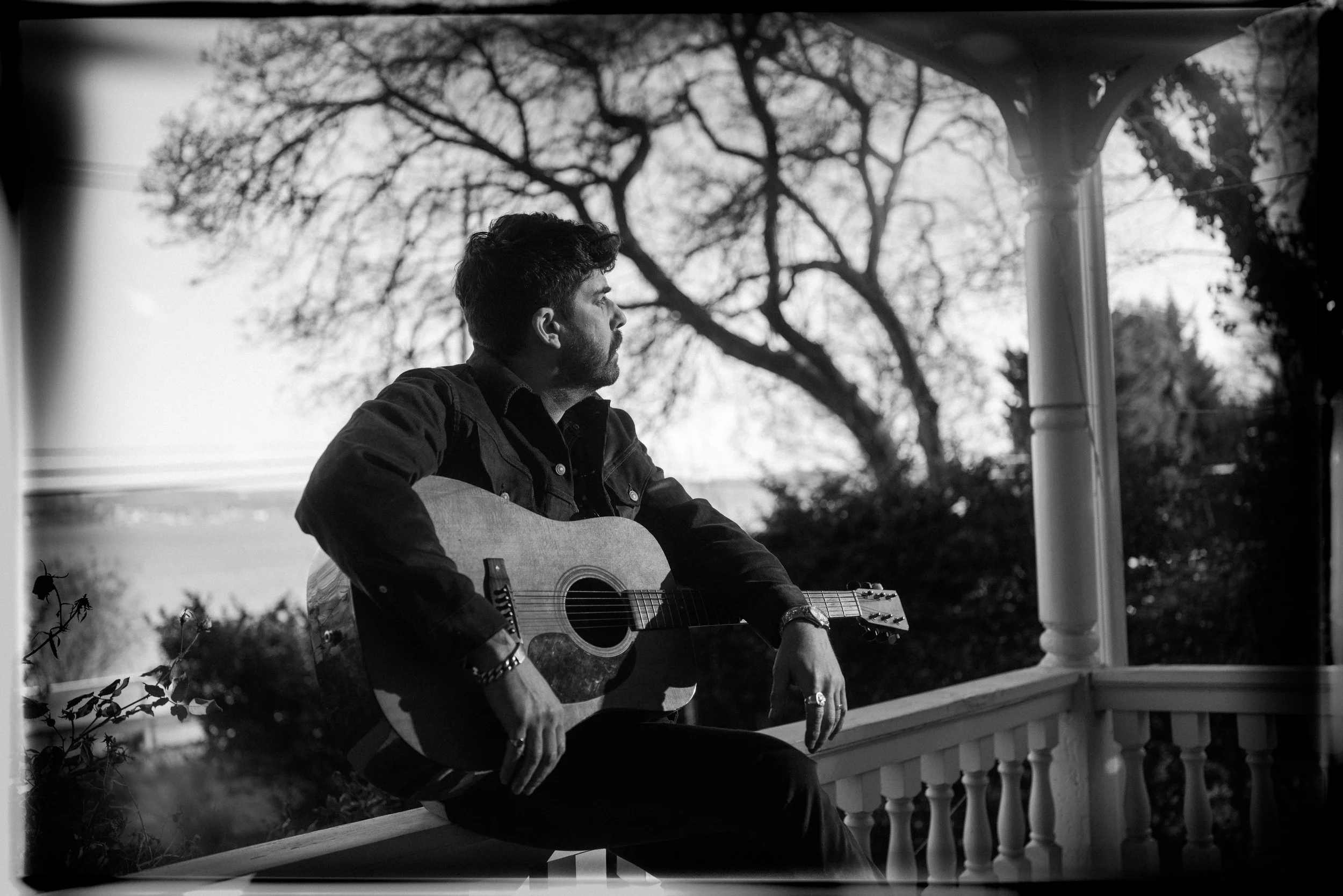







Adam Goldberg’s fifth album, his fourth as The Goldberg Sisters, is his most expansive album yet in terms of style and lyrical themes, showcasing the accomplished multi-hyphenate’s ability to channel his energy into exploring unfamiliar terrain and re-emerging with a musical map that charts thrilling new paths for himself. When the Ships of My Dreams Return is music that’s as personal as it gets — tactile and intimate, to the point where you can practically feel his fingers on the synths — and it’s all the better for bearing its creator’s singular stamp.
When the Ships of My Dreams Return follows 2018’s Home: A Nice Place to Visit and is the latest achievement in Goldberg’s storied career, which has encompassed everything from an acting career spanning more than three decades (Dazed and Confused, Saving Private Ryan, TV’s Fargo), writing and directing three features and several music videos, to his work as a photographer — showcased in a book that accompanied the vinyl edition of his last album. Goldberg’s music has garnered coverage and acclaim from outlets like the BBC and NPR’s All Songs Considered, whose co-host Robin Hilton referred to The Goldberg Sisters’ sound as possessing “phenomenal harmonies and songcraft.”
Goldberg recorded Home: A Nice Place to Visit about a year after his first son was born — a milestone that signaled a slowdown when it came to his creative pursuits: “In the past, I’d carve out time to make music before going off to do an acting job. There was a finite period of time in terms of the limitations I’d put on the recording process.” Alongside his acting career, Goldberg’s increasingly involved family life resulted in him wondering if he’d ever return to making music again. “I'm doing it for myself, oftentimes just with myself,” says the multi-instrumentalist. “It used to be that I couldn't stop making music — it wasn't really a choice. I often felt like it was a compulsory intrusion.”
Two years ago, however, work on When the Ships of My Dreams Return started in earnest as Goldberg and his family got settled into their new home in New York. “I was just setting up loop pedals and playing around with electronic drums,” he recalls. “One thing led to another, and I was like, ‘Well, I guess I made a demo.’” That song in question is the euphoric psych-pop gem “Our Kind of Love,” and its free-flowing emergence inspired Goldberg to continue writing while reaching out to longtime friend and collaborator Aaron Espinoza, of seminal indie-rockers Earlimart, for some engineering guidance, which resulted in Goldberg embracing a truly DIY approach. While Goldberg had played most everything on his last couple of records as well as self-recording several demos, he had never done it all entirely alone.
Over the course of the next several months, piece by piece, Goldberg found himself essentially building a studio — a part of the process which in a sense, he says, “became as essential to the experience as the songwriting and recording itself.” He adds, “I had always just stopped short of doing everything from soup to nuts. And while I wouldn’t necessarily recommend this, nor would I necessarily ever do it again, I felt it really freed me up creatively.”
Sonically, Goldberg aimed to stray from strict influence-drawing on When the Ships of My Dreams Return, instead opting to follow his creative spirit in whichever direction it took him. “I was just really trying to just get the sounds that I wanted,” he reflects, referring to his approach as “Steely Dan taste on an autodidact’s budget”: “I always have these lofty production goals, but if I can get anywhere near a tenth as good of a drum sound as I’m after, eventually I have to settle for it.” He’s selling himself short, to be clear, as the impressively varied textures and sounds on When the Ships of My Dreams Return sound impossibly warm and pristinely homespun, having been formed from a trove of vintage synths and recording equipment that Goldberg acquired across the creative process.
“There's an incredible amount of hardware out there now, it's really wild,” he says while remarking on the arsenal he built. “It can all end up being a total distraction, but I found my gear very effective and inspiring.” Indeed, with cheeky lyrics referencing Chappell Roan and the joys of Crocs and leggings, first single “Athleisure” is a lighthearted synth-pop bauble with roots in an idea from Goldberg’s wife Roxanne Daner, who’s also handled graphic design, backing vocals and often violin across The Goldberg Sisters catalog. Meanwhile the lush and ornate chamber-pop of “The Great Resignation” brings in longtime friends The Chapin Sisters for guest vocals while gesturing towards the complexities of political misalignment that come with relocating to a new area of the U.S.
Thematically, the record often approaches the ever-present feeling of operating at a temporal remove in society — at a crucial moment in which tech and interconnectivity, as the driving rock of “Content” suggests, tends to make us feel more isolated than ever before. With reflections on the present come gestures towards the past, as the wistful opener “The Spirit of ‘76” (which features Goldberg’s two sons on backing vocals) was specifically written for his mother after she paid him and his family a visit in their new digs.
“I found myself being a reflective old guy,” he laughs while discussing the song’s thematic bent. “It's about a very specific memory from after my parents split up, and my mom had left my dad. My mom was staying in this guest house right behind this liquor store in Los Angeles, which was a memory I always had. I've been very nostalgic for Los Angeles, which isn’t what it once was, and that resulted in taking stock of my childhood really.”
Accordingly, When the Ships of My Dreams Return’s title track finds Goldberg ruminating on the house that him and his mother eventually settled into — specifically, a stained glass window inside that remains there to this day. “I recently drove past the house and asked this woman out front if I could see it,” he recalls. “I snapped a photo of this stained glass window which was nautically-themed and referenced ‘the ships of my dreams.’ My whole life, I'd constantly dreamt about this house, and when I saw that window, it felt like the literal ship of my dreams had returned.”
On a larger level, When the Ships of My Dreams Return also serves as a reminder for Goldberg that the capability of artistic practice is far from something that one loses over time — and that, if anything, pushing ourselves to be more creative can yield wondrous results. “There's a certain amount of neuroplasticity we all possess,” he says while discussing how the record represents his creative soul in its current state. “There's always room for a bit more inspiration, creativity, or self-discipline — and the discovery that I possessed the bandwidth and elasticity to expand my own knowledge in this process was extremely encouraging. At the end of the day, it's nice to realize you’re still able to feel something. And express it.”