
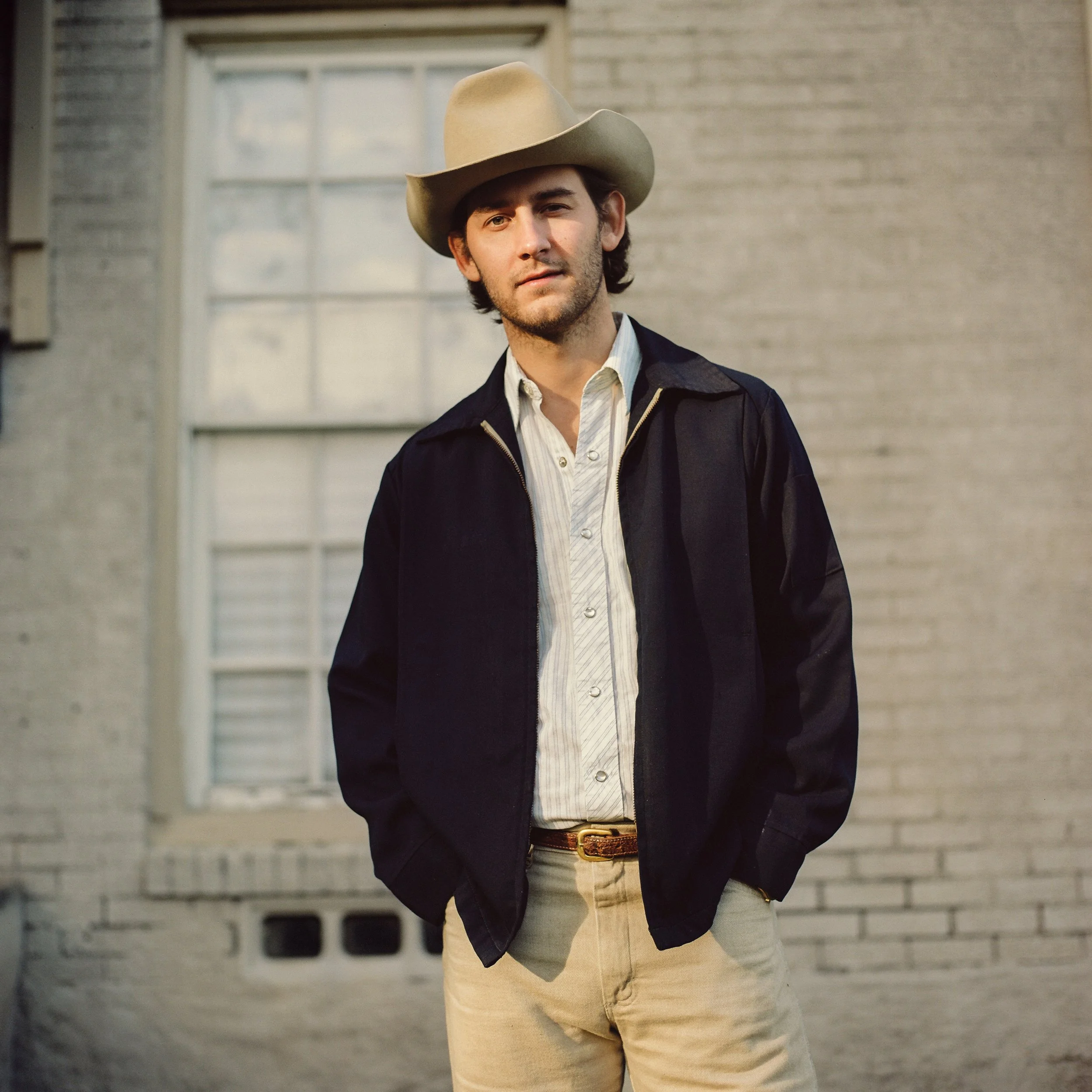
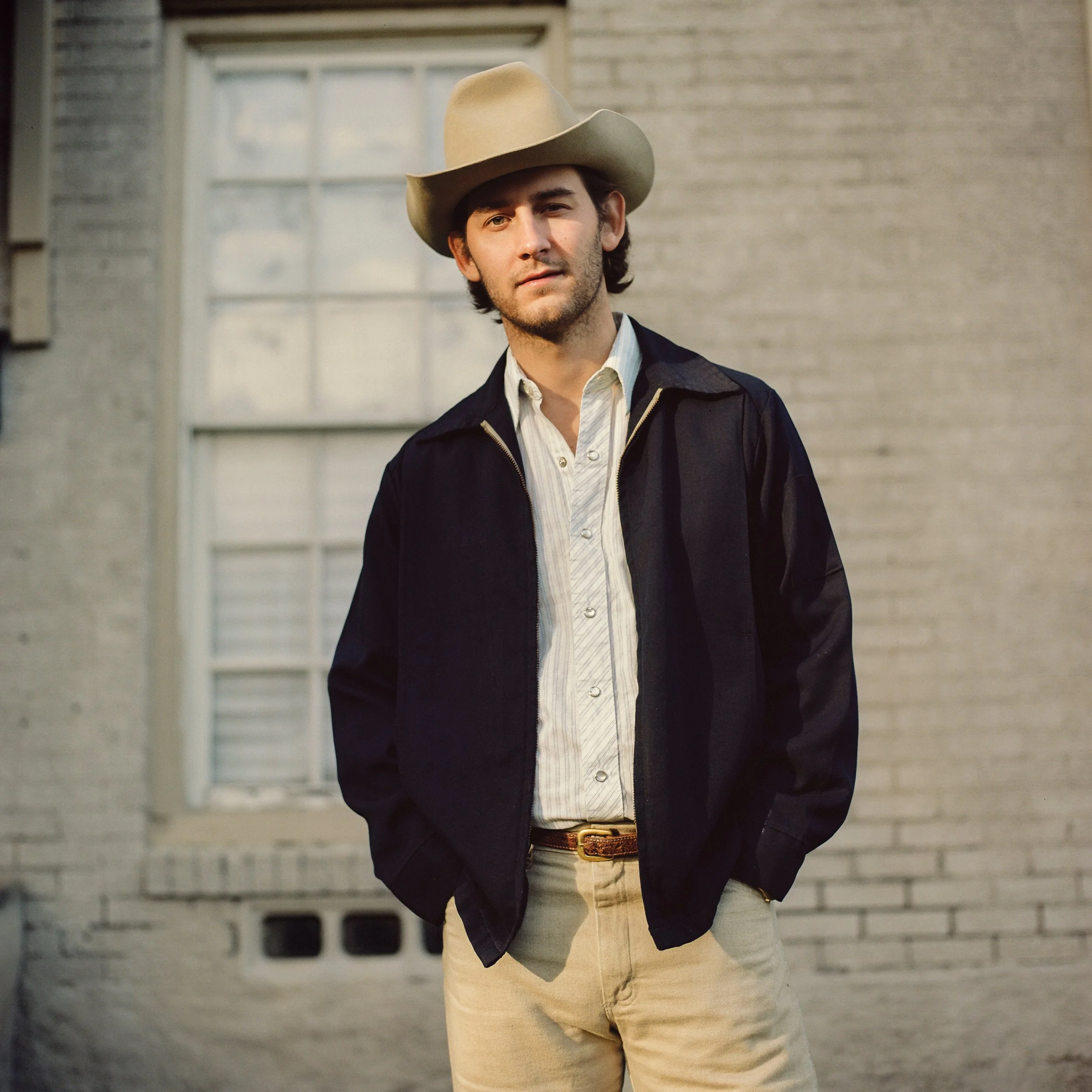
Click Image to Download!
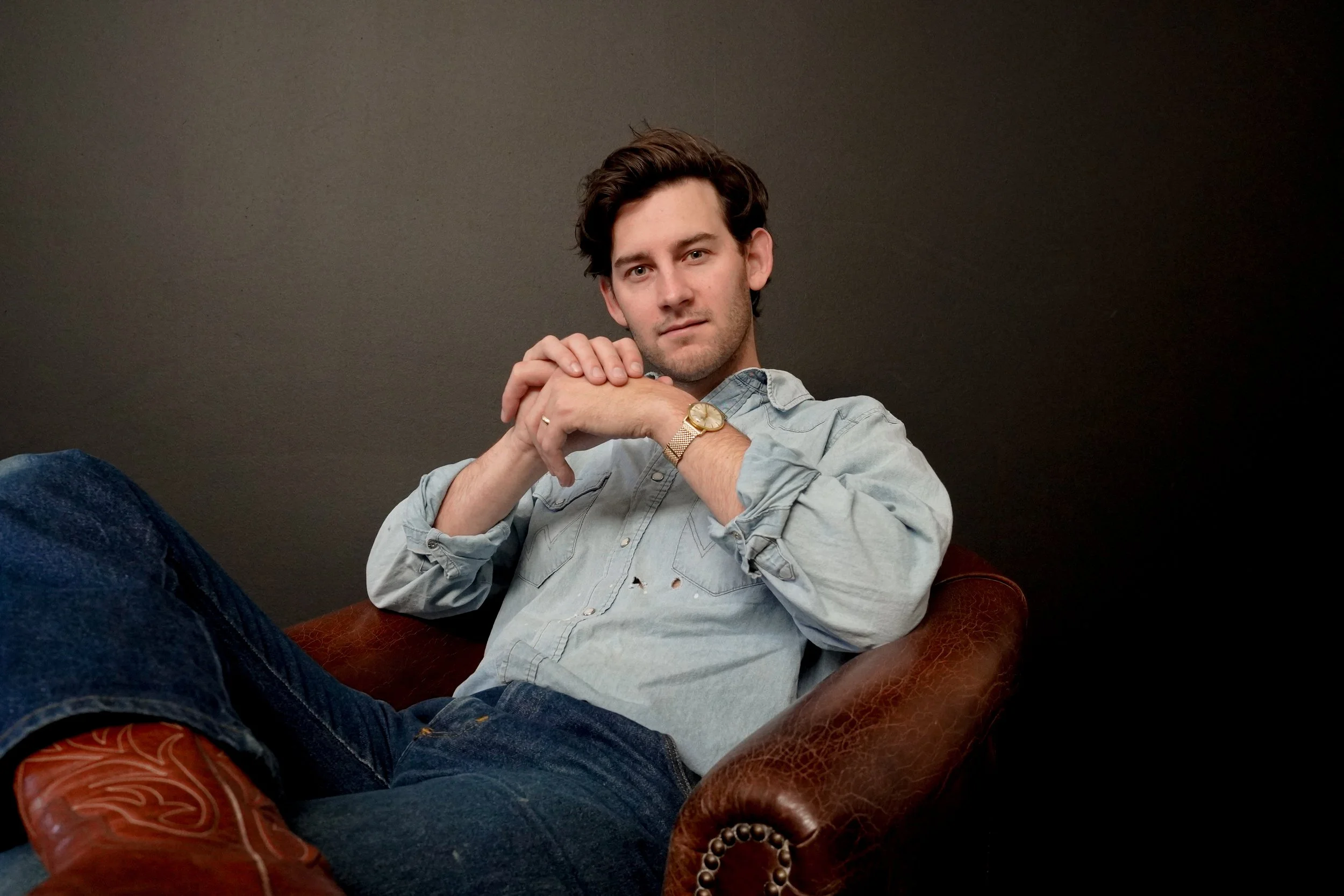
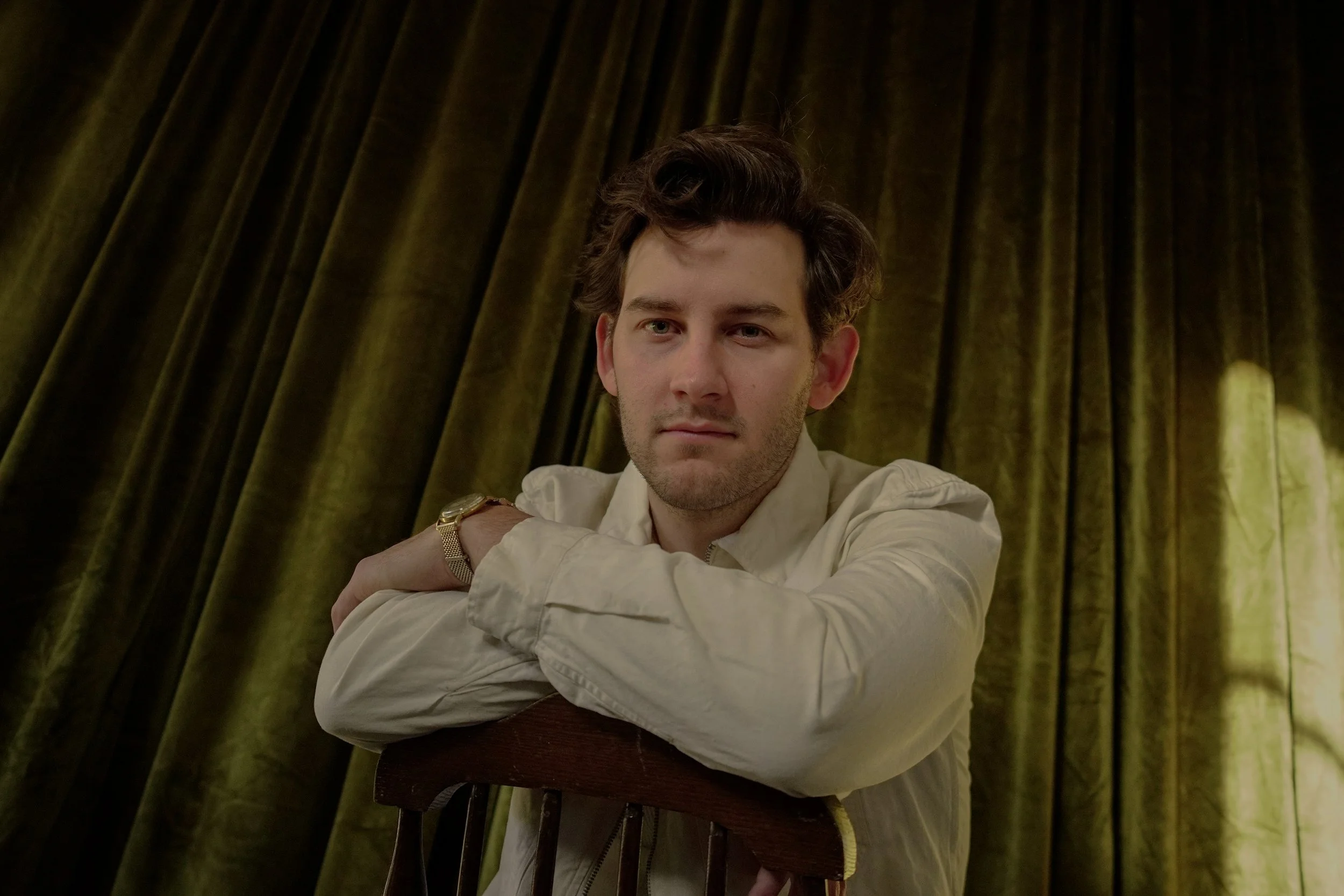


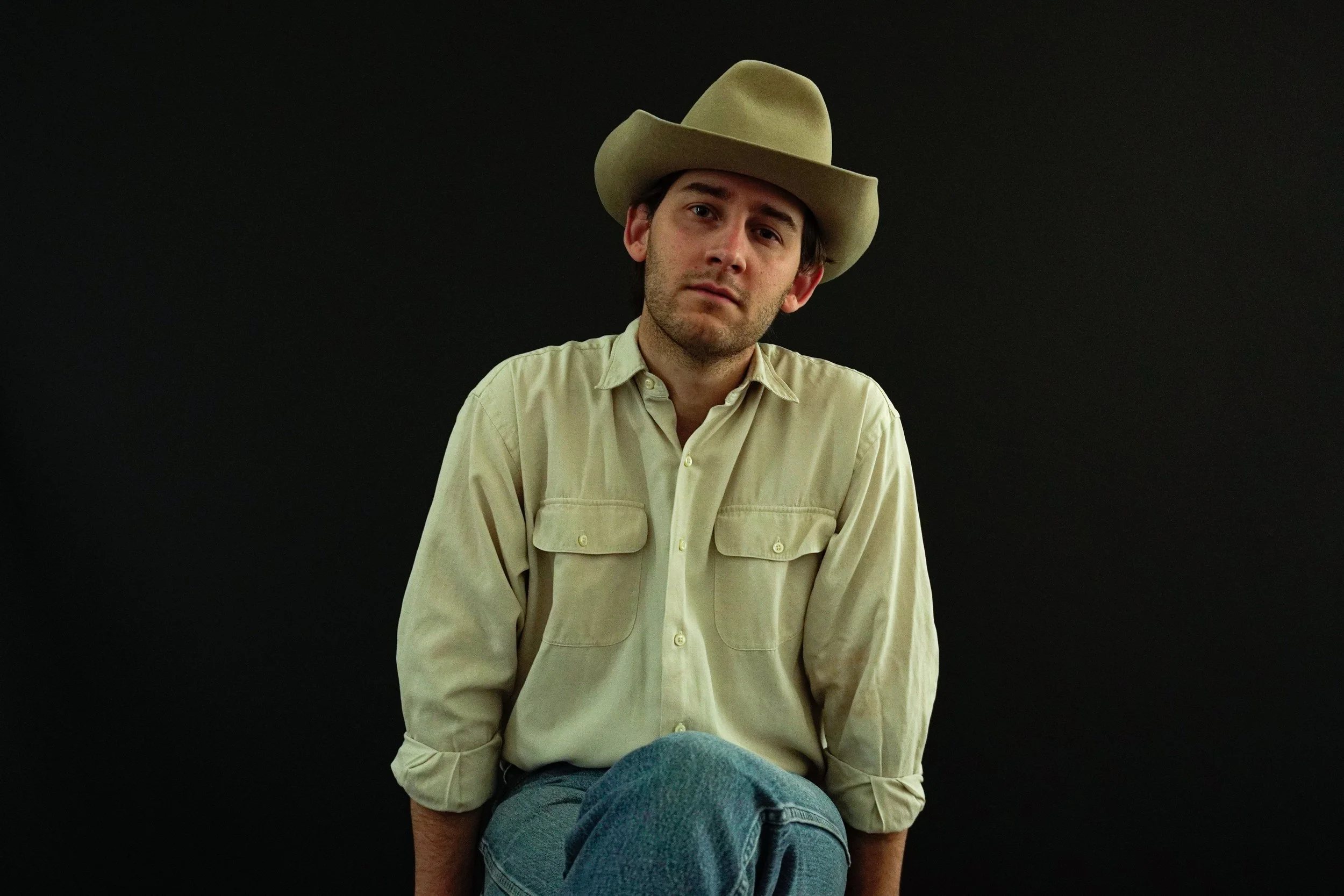







Thomas Csorba is in no hurry. His songs move at the speed of noticing; of watching a room fill and empty, of feeling time pass through the small rituals that make a life well lived. Born in Houston, Texas and now rooted in Dallas, Csorba writes country music that feels less like performance and more like witness. His work belongs to the long lineage of Texas songwriters who understand that restraint can carry more weight than spectacle, and that the quietest lines are often the ones that speak the loudest.
From the beginning, Csorba’s relationship with songwriting has been defined not by conquest, but by return. He does not approach songs as puzzles to be solved or ladders to be climbed. Instead, songwriting remains for him a renewable resource; something abundant and always available, even as life pulls him in other directions. Where once songwriting felt bound up in identity and ambition, it now exists alongside fatherhood and marriage with its value sharpened by the fact that it must be protected, chosen, and earned.
That shift is central to Csorba’s evolution and one on full display in his newest album, Tender Country. As his life has filled, his writing has softened. He no longer feels compelled to prove anything through song, and that release has opened the door to a deeper understanding. His music now speaks to everyday people, to listeners who recognize themselves in the spaces between verses. It is country music uninterested in posturing, guided instead by tenderness, humor, and an acceptance of impermanence. Writers like Townes Van Zandt, Guy Clark, and Willie Nelson come to mind not as a guiding influence or a stylistic blueprint, but as a philosophical inheritance for Csorba.
On his self-titled debut, Thomas Csorba (2020), Csorba introduced himself as a careful observer armed with a turn of phrase and a light to shine on all things. But it is his 2024 release, Windchimes, that revealed the path he is currently treading, one filled with observations of domestic life and the magic that fills everyday moments.
His forthcoming record “Tender Country”, self-produced and recorded in a matter of days with trusted collaborators, embraces a new motto for Csorba, a phrase offered half in jest, half in revelation. The term nods to a letting go of ambition, an easing away from the chase for scale or validation, and a courage to document life as it is being lived rather than as it is imagined.
Tender Country is another step for an artist focused on longevity. Csorba speaks openly about adopting an “artist-for-life mentality ” envisioning a fifty-year catalog rather than a breakout moment. The songs on Tender Country reflect this perspective. They are unafraid of domesticity, unembarrassed by softness, and deeply invested in the emotional architecture of family life. Marriage, routine, fatigue, joy, and discovery are all treated with equal seriousness. In Csorba’s hands, washing dishes and falling in love again become similar acts of quiet devotion.
That mentality comes across acutely on a song like “The Big Time”, a gorgeous country ballad that poignantly illustrates the hardships of a life on the road and the family milestones you can miss along the way. “By the time I hit the big time, the time will all be gone” he sings with melancholy acknowledging that you may never cash that lottery ticket, but life unfolds nonetheless.
As a father of two, Csorba writes with an awareness of time’s acceleration the way seasons slip away, the way children move from scooters to bikes to car keys. “Bigger Wheels,” a centerpiece of Tender Country, emerged from a brief exchange with another parent, but developed into a meditation on growth, release, and the inevitability of fully letting go. It’s a song that understands legacy not as accomplishment, but as presence.
That concern for legacy extends beyond the songs themselves. Csorba speaks of wanting his children to inherit not just recordings, but proof that making art is a basic human instinct, something to be done openly, imperfectly, and without mystique. He rejects the idea of creativity as a magic trick, preferring transparency over myth. Whether writing at home with the door open or just sharing the mechanics of a song, he treats songwriting as labor and ritual rather than spectacle.
Ritual is at the core of “Homemade Margaritas” which balances levity with intention, celebrating the act of making as much as the thing being made. The opportunity to sit with your spouse at the end of a long day, confide in each other and keep the spark alive. It’s a practice that gives shape to days they may otherwise blend together. “We’ve got enough when we’ve got us and homemade margaritas.”
When you bring that approach to a relationship you discover new things about your partner even after years together. “You Think You know Someone” reflects on this idea beautifully. From love notes tucked into jean pockets to a deep unspoken understanding, there’s always a layer to peel back and new ways of loving to discover.
As he looks forward, Csorba remains committed to building a career with intention which has found him partnering with his lifelong friends in their new endeavor, Turtlebox Records. In his early teens Thomas apprenticed as a knife maker with his friend and mentor, Jonathan Mckenzie, who was then a budding entrepreneur. Mckenzie went on to found Turtlebox Audio - the rugged, outdoor speaker company that has grown and flourished in recent years. As you might hope an audio company would be, Turtlebox has always been committed to a meaningful relationship with musicians. With a vision for deepening that relationship they’re launching a new record label and bringing the story full circle with Tender Country as their flagship release. In Csorba’s words “It’s an honor and pleasure to walk into this new season shoulder to shoulder with a group of people who I respect so deeply.”
On Tender Country Thomas Csorba is not chasing his chance in the spotlight. He’s building a body of work, one that documents a life in motion, shaped by love, responsibility, and the quiet conviction that every moment, no matter how mundane, matters deeply.